Dolby Vision 2: What it is and why your next TV will look much better
Dolby Vision 2 promises a significant improvement in the image quality your TV can offer
Dolby Vision 2 is Dolby's attempt to make sure that "premium value" isn't just limited to high-end TVs: it combines a new picture engine with brilliant image marketing based on the content and your surroundings, as well as adding specific enhancements for movement, sports, and gambling. The key is that the authors have more control over the brightness and version of the TV without sacrificing the artistic intent.
Why does Dolby Vision 2 problem and what is it?
Dolby Vision 2 is a variation of Dolby Vision, powered by a revised image engine ( Dolby Image Engine ) and a set of" Content Intelligence" features designed to bridge the gap between how a movie looks in your living room and how it actually looks in real life. Better picture quality in more circumstances, from watching a line at night to trying to make out details in dim scenes with the dining room light on, is what the claim is in process.
Dolby presents it as a step forward, taking advantage of the fact that latest TVs are now brighter and have better color but frequently fall short due to processing, develop mapping, or "generic" settings that don't know what you're watching.
That's why DV2 can adjust the presentation based on the type of content, the device, and the environment.
What makes "normal" Dolby Vision distinct from what is considered to be normal?
Dolby Vision 2 focuses on making that outcome more consistent and less dependent on the person managing menus. The preceding generation was already strong for its HDR with powerful information (scene-by-scene/frame-by-frame adjustments ). The most significant change is" Content Intelligence," which adds tools to automatically optimize the TV based on what you're watching and where you're watching it.
Dolby highlights, among other new features, include:
Note the nuanced fact that Dolby Vision 2 introduces motion controls and a higher level of intelligence/automation, not just luminance and color adjustments, as well as being marketed as something that "goes beyond HDR. "
Compatibility: Who supports it and when does it arrive?
The first partners and compatible TVs were confirmed at the Consumer Electronics Show in Las Vegas ( CES 2026 ), and they will be available in 2026 ( at least in a limited first wave ). Dolby Vision 2 was first announced in September 2025. Dolby also discussed integration into chips like the MediaTek Pentonic 800 with the" MiraVision Pro" PQ Engine, and Hisense was the first television manufacturer to announce DV2 for its premium lineup ( with mentions of RGB-MiniLED TVs ).
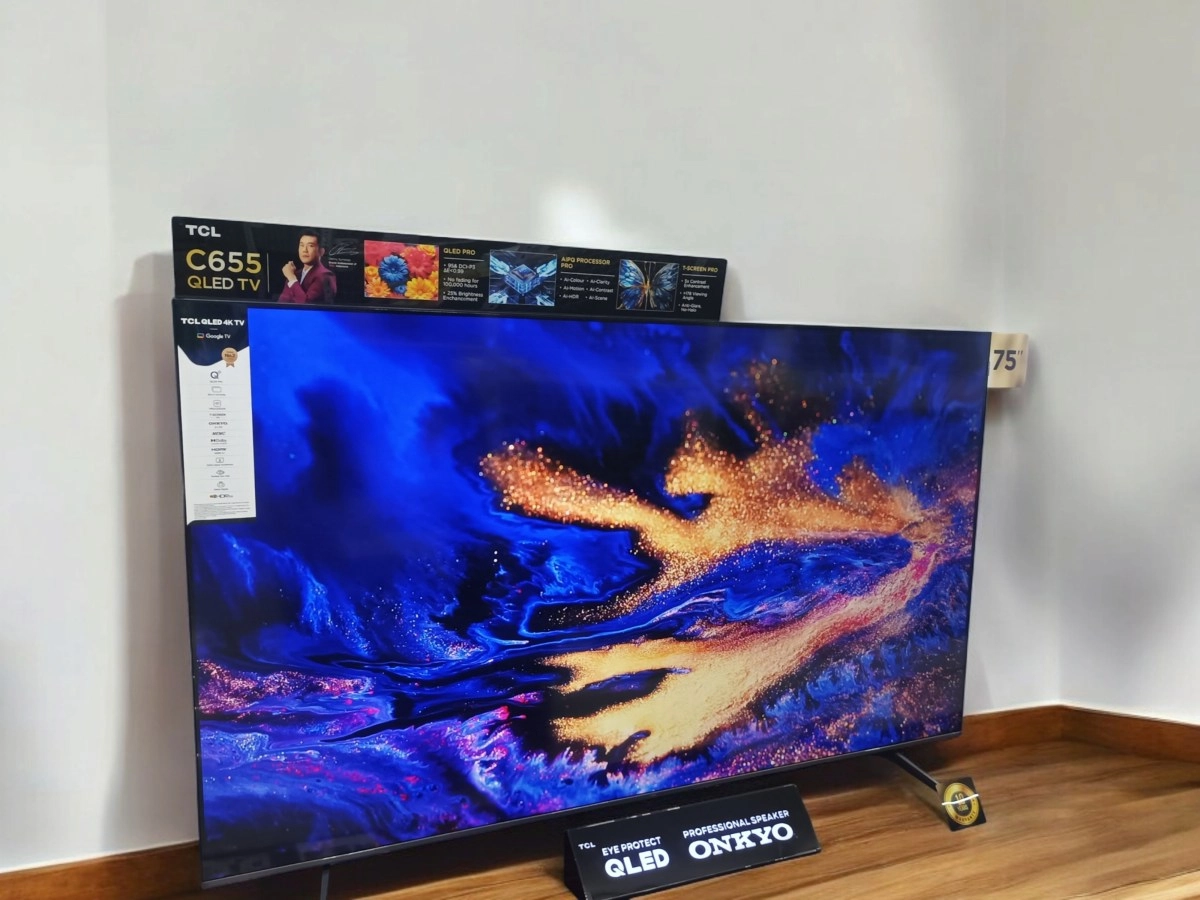
Plans were also mentioned for 2026 models from Hisense ( UX, UR9, UR8 ), TCL ( 2026 X QD-Mini LED and C series, via a future update ), and Philips/TP Vision ( 2026 OLEDs such as the OLED811, OLED911, and OLED951 ). Peacock was the first service to commit to Dolby Vision 2, according to Engadget, and it's said that more platforms might follow suit, given that many already support" classic" Dolby Vision. With less manual effort from the user, Dolby Vision 2 will not just look extraordinary at trade shows; it should become a real benefit in everyday use, especially in those "impossible" dark scenes and in sports/games where motion is everything.
This news has been tken from authentic news syndicates and agencies and only the wordings has been changed keeping the menaing intact. We have not done personal research yet and do not guarantee the complete genuinity and request you to verify from other sources too.