Sunrise:
Sunset:
°C
Follow Us

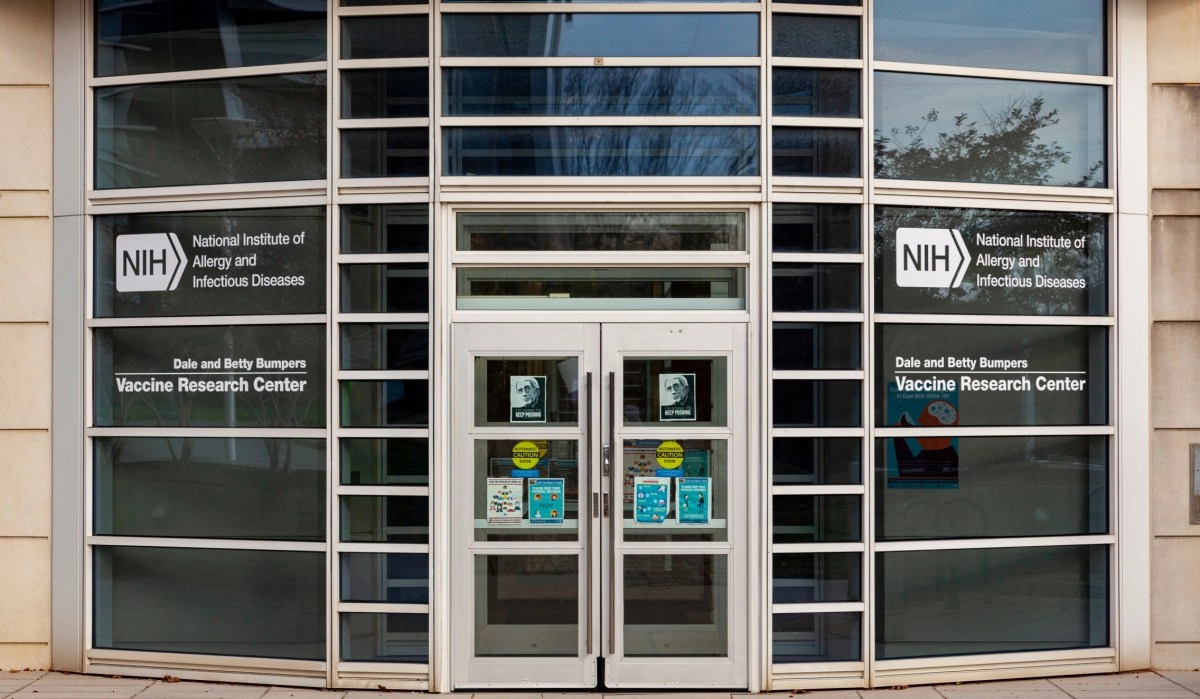
Cuts in NIH funding have affected more than 74,000 people enrolled in 383 experiments

Cuts have led to patients losing access to treatments, and many have seen their clinical trials delayed or canceled
Cuts in NIH funding have affected more than 74000 people enrolled in 383 experiments
Time to Read 3 Min

The National Institutes of Health ( NIH) funding cuts have harmed more than 74 000 people, affecting 383 studies looking into treatments for critical illnesses.

Critical medical tests, from cancer study to infectious diseases have been affected by this. These cuts, according to researchers, had a overwhelmingly negative impact on efforts to combat illnesses like COVID-19 and virus.

People have lost access to procedures as a result of the cuts, and many have seen their diagnostic tests delayed or canceled. According to the Associated Press ( AP ), the lack of funding prevents researchers from gathering scientific proof on the efficacy of new treatments.

According to a new report published in the journal JAMA Internal Medicine, patients who could have benefited from a novel cure may be at risk of dying from the effects of the lack of research.

Loss of confidence in health facilities

People ' trust in medical institutions may be eroded by funding issues.

Experts warn that uncertainty about the sustainability of trials could discourage future participants from getting involved in research. The Department of Health and Human Services administration defends the reorientation of priorities at the NIH. However, scientists and experts express concern about how these decisions, influenced by ideological agendas, harm public health and the mission of the NIH. Long-term effects of the cuts: Cuts to medical research have profoundly negative and diverse effects in the long term. First, they reduce the number of scientists who can conduct research, as support for doctoral studies and funding for new scientific projects decrease.This hinders the continuity of research on important medical topics and diseases, causing interruptions in active clinical trials that are essential for developing treatments and medical advances, especially in critical areas such as pediatric cancer, diabetes, HIV, and rare diseases.

Additionally, these cuts have an impact on health innovation because they lower grants that support important fundamental research that leads to pharmaceutical patents and scientists ' training for the medical industry.

Additionally, they have a negative impact on universities, mainly public universities with fewer resources, devastating the medical facilities, and limiting the coaching of future professionals.

The decrease in cash affects epidemiological surveillance and the treatment of emerging diseases, which could put in jeopardize crucial prevention and vaccination programs that could increase the number of preventable diseases.

Finally, it has a correlation with damaging economic effects, as 25 % less research and development spending could lead to a significant economic decline.

data on canceled treatments

When solutions are canceled In clinical studies, there are several ways to find out more about the solutions being tested:

Additionally, clear and prompt contact with people is necessary to provide details about withdrawal, alternative treatments, and the ongoing control of their health, which might include the use of technology to keep patients informed and help surveillance of their treatment.

You might also be interested in:

This news has been tken from authentic news syndicates and agencies and only the wordings has been changed keeping the menaing intact. We have not done personal research yet and do not guarantee the complete genuinity and request you to verify from other sources too.

Also Read This:


Share This:


About | Terms of use | Privacy Policy | Cookie Policy