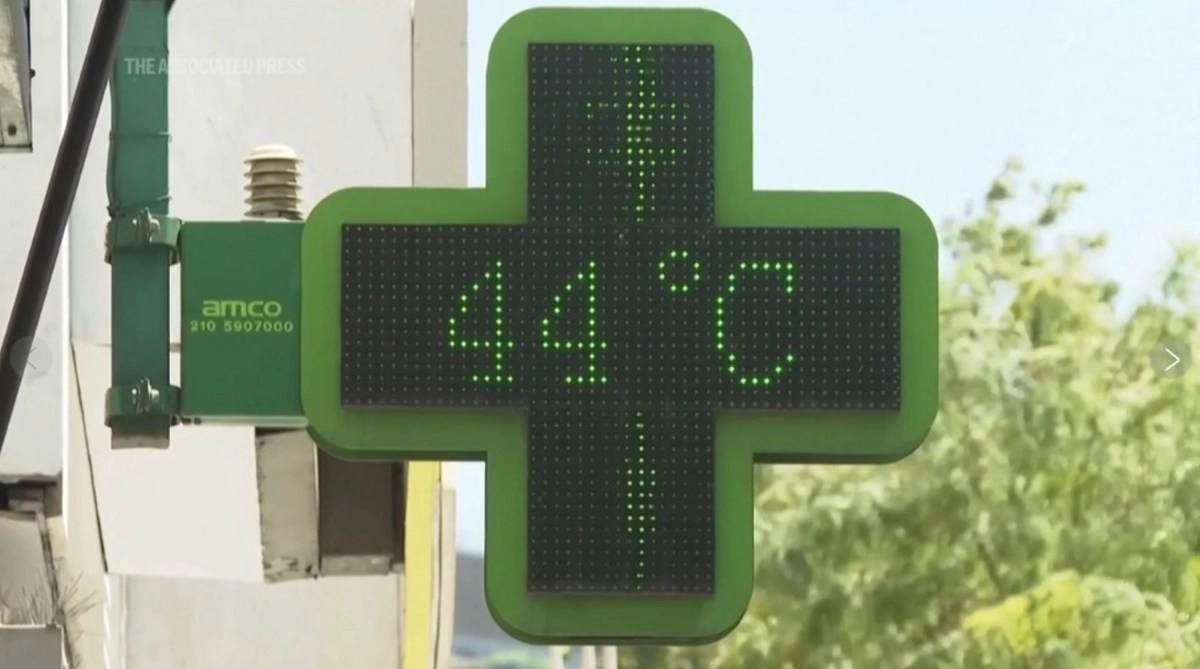

Temperatures in the United States will continue to reach alarming levels, with more than 90 records set to be equaled or surpassed this week. Nighttime temperatures will remain unusually high, raising the risk of health problems.
Health experts warn that high nighttime temperatures are especially dangerous, as they can make it difficult for the body to recover from high daytime temperatures. Groups such as the elderly and those with pre-existing health conditions are the most affected.
Scientists point out that the adverse effects of heat can manifest days later. Sustained increases in body temperature can lead to complications such as heat stroke and increase the burden on the cardiovascular system.
This week there will be no truce
According to the National Weather Service, reported Associated Press (AP), temperatures were not forecast to drop below 80°F (27°C) overnight in Fort Lauderdale, Florida; Miami; Tampa, FL; Galveston, Texas; and Charleston, South Carolina.
Over the next few days, in places in the Midwest and Northeast known for their frigid winters, nighttime temperatures will remain above 70°F (21°C), including Fargo, North Dakota; International Falls, Minnesota; and Portland, Maine.
Danger of night heat
Specialists such as Kristie Ebi, a public health and climate scientist at the University of Washington, say that if nighttime temperatures do not cool the body, health risks usually manifest themselves the next day.
“Mortality begins on the second or third day” because the body is unable to cool down, he asserts.
Impact on mental health
High night temperatures harm mental and emotional health mainly because they impair sleep, which increases irritability, anxiety, depressive symptoms and reduces the capacity for emotional and cognitive regulation. In conditions of prolonged extreme heat, more aggressive behaviors, psychiatric emergencies and, in some studies, an increase in suicide rates are also observed.
The core of the problem: interrupted sleep
To enter deep sleep, the body needs to lower its internal temperature. When the night does not leave certain values ??(for example, more than ~21 °C), this descent is difficult and the brain remains in states of alert.
Direct consequences:
This repeated pattern weakens the ability to manage stress and emotions, facilitating the appearance or worsening of:
Emotional and behavioral impact
The heat at night acts as a “second blow” on mental health: even if you manage to sleep, the rest is insufficient, which alters your emotional balance.
Documented effects:
Some studies associate high temperatures with:
Why nights are especially critical
During the day we can use strategies to mitigate the heat (air conditioning, shade, hydration, avoiding intense effort). At night:
What can help
Basic personal measures:
Strategies to combat the heat
It is essential to take preventative measures, such as constant hydration and being in contact with people who may need assistance, especially those who are more vulnerable to heat.
For those without air conditioning, effective alternatives such as going to cool public spaces, using fans, and staying hydrated are recommended to mitigate the effects of extreme heat.
“The health consequences are worsening, especially for older people and vulnerable communities,” said Marshall Shepherd, a professor of meteorology at the University of Georgia.