Foods that a person with diabetes should avoid to maintain their health
Understanding what to avoid or limit on your plate can make the difference between a life with complications and a full and healthy existence
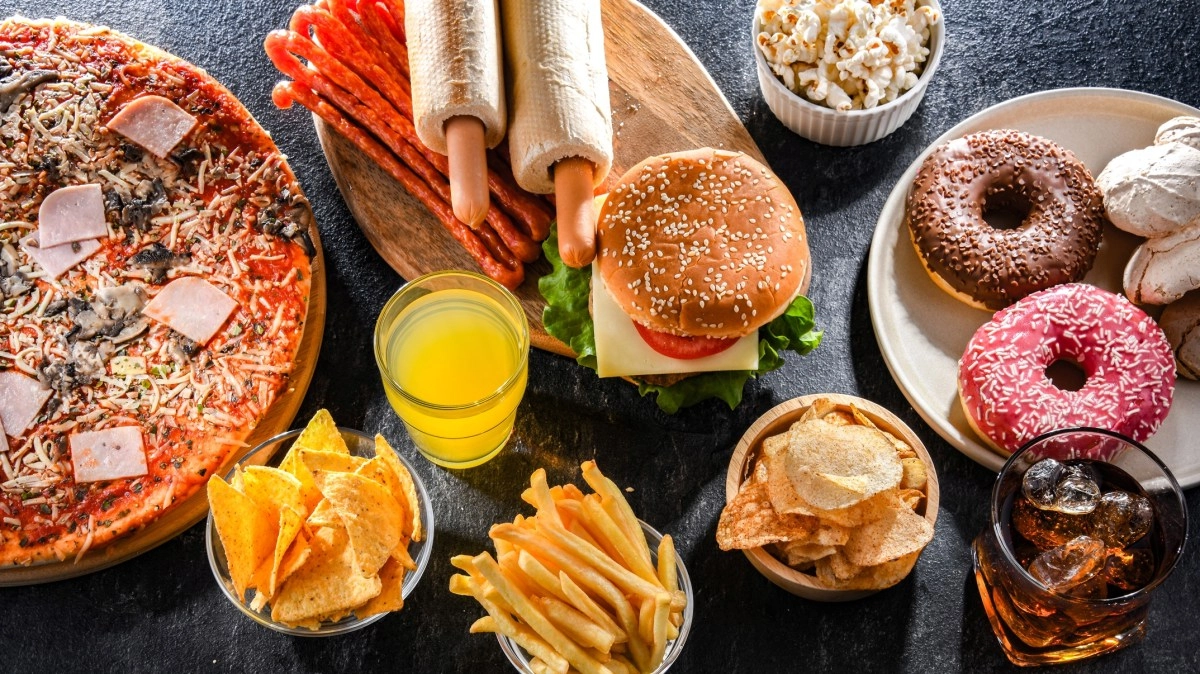
Diabetes has become one of the biggest public health challenges worldwide. According to the World Health Organization (WHO), more than 422 million people live with this chronic condition, a number that continues to rise year after year. This metabolic disease, characterized by high blood glucose levels, requires comprehensive management that includes medication, exercise, and, fundamentally, a proper diet. The relationship between what we eat and how our body processes sugar is direct and immediate, making every food choice a crucial decision for the well-being of those living with diabetes. Diet is not simply a matter of counting calories or completely restricting sugar; it's about understanding how different foods affect blood glucose levels and making informed choices. While some people believe that living with diabetes means giving up all culinary pleasures, the reality is more nuanced: it's about identifying which foods can cause dangerous glucose spikes and which can be consumed in moderation or through alternative preparations. Understanding what to avoid or limit on your plate can make the difference between a life with complications and a full and healthy existence.
Refined Carbohydrates: The First Enemy
Refined carbohydrates top the list of foods that people with diabetes should avoid or consume with extreme caution. White bread, pasta made with refined flour, white rice, and commercially baked goods cause sharp spikes in blood sugar levels. Unlike the complex carbohydrates found in whole grains, these foods have been stripped of their natural fiber during processing, which accelerates their conversion into glucose.
The food industry has popularized these products for their smooth texture and pleasant taste, but for those living with diabetes, they represent a constant risk. Cookies, pastries,Donuts and cakes not only contain refined flours, but are also often loaded with added sugars and trans fats, a particularly harmful combination. Nutrition experts recommend replacing these products with whole-grain alternatives, which release glucose more gradually and provide fiber beneficial for metabolic control.
Sugary Drinks: Liquid Calories Without Satiation
Sodas, commercial juices, energy drinks, and sweetened teas are among the main sources of sugar in the modern diet. A single can of soda can contain up to 40 grams of sugar, equivalent to approximately 10 teaspoons, an amount that immediately spikes blood glucose levels. What is most concerning about these drinks is that liquid sugar is absorbed even more quickly than solid sugar, generating pronounced glycemic spikes.
Even natural fruit juices, although they may seem like healthy options, should be consumed in moderation.
Juicing or blending fruit removes much of the fiber that helps slow sugar absorption, leaving mostly concentrated fructose. Commercial smoothies, often promoted as nutritious alternatives, can contain as much sugar as a regular soft drink. People with diabetes should opt for water, unsweetened herbal teas, or, at most, water with slices of fruit for flavor without adding significant calories.
Trans Fats and Ultra-Processed Foods
Trans fats, present in margarine, fast food, commercially fried foods, and industrially baked goods, not only raise bad cholesterol but also increase insulin resistance. For people with diabetes, this represents a double danger: it makes glucose control more difficult and increases cardiovascular risk, already heightened by the disease. Frozen french fries, pre-cooked pizzas, chicken nuggets, and other similar products often contain these harmful fats.
Ultra-processed foods, a category that ranges from deli meats to packaged snacks, are designed to be hyperpalatable but are nutritionally poor. They contain additives, preservatives, excessive sodium, and sugars hidden under names like corn syrup, dextrose, or maltodextrin. These products not only affect glycemic control but also contribute to weight gain, a factor that worsens type 2 diabetes. Careful reading of nutrition labels becomes an essential skill for avoiding these food traps.
Researchers have determined that 62% of foods in the United States are hyperpalatable.
High-Glycemic and Canned Fruits
Although fruits are generally healthy,Some varieties have a high glycemic index that can negatively affect people with diabetes. Melon, watermelon, very ripe grapes, ripe bananas, and pineapple can quickly raise blood sugar when consumed in large quantities. This doesn't mean eliminating them completely, but it does require moderation and preferably combining them with protein or healthy fats that slow down their absorption. Canned or syruped fruits are particularly problematic. Manufacturers add sugary syrups to preserve them and enhance their flavor, transforming a potentially healthy fruit into a sugar bomb. Dried fruits, such as raisins, dried apricots, or dried cranberries, concentrate natural sugar in very small portions, making it easy to overindulge without noticing. The best options for people with diabetes are fresh, low-glycemic fruits such as strawberries, blueberries, apples, and pears, eaten with their skin whenever possible to take advantage of the fiber.
Commercial Cereals and Granola
Breakfast cereals, especially those marketed to children, are often little more than sugar disguised as nutritious food. Many popular brands contain more sugar per serving than a donut. Even seemingly healthy options, such as commercial granolas, are often loaded with honey, agave syrup, or brown sugar, all of which raise blood glucose levels similarly to refined white sugar.
Cereal bars, marketed as healthy snacks, present the same problem. Their sugar content can rival that of a chocolate bar, and their low protein content means they don't provide lasting satiety.
For breakfast, people with diabetes will do better with options like unsweetened whole-grain oatmeal, eggs, plain Greek yogurt, or whole-wheat bread with avocado—foods that stabilize blood glucose rather than spike it.
Commercial Sauces and Dressings
Commercial sauces such as ketchup, barbecue sauce, salad dressings, and gravy often contain surprising amounts of sugar. A single tablespoon of ketchup can have more than a gram of sugar, and it's easy to consume several tablespoons at a meal without realizing it. These products turn potentially healthy dishes, such as a salad or grilled chicken breast, into problematic meals for blood sugar control.
Commercial creamy dressings also add unhealthy fats to the equation. Ranch, Caesar, or regular mayonnaise contain refined oils and hidden sugars. People with diabetes should opt to make their own sauces using olive oil, vinegar, lemon, herbs, and spices.or choose versions without added sugar when it is necessary to buy commercial products. This simple substitution can make a significant difference in daily glucose control.
Alcohol, a special consideration
Alcohol consumption presents unique challenges for people with diabetes. Alcoholic beverages can cause both hypoglycemia and hyperglycemia, depending on several factors. Sweet liquors, sugary cocktails, and regular beers contain carbohydrates that raise blood sugar, while alcohol itself can interfere with the liver's ability to release glucose, causing dangerous drops hours after consumption.
Mixed drinks are particularly problematic, as they combine alcohol with sugary juices, sodas, or syrups. A margarita or pina colada can contain as much sugar as several sodas combined.
If people with diabetes choose to consume alcohol, they should do so in moderation, preferably with food, and opt for dry wines or spirits without added sugar, always under the supervision of their doctor and taking their medications into account.
You may also be interested in:
This news has been tken from authentic news syndicates and agencies and only the wordings has been changed keeping the menaing intact. We have not done personal research yet and do not guarantee the complete genuinity and request you to verify from other sources too.