
The Senate rejected the so-called SAVE America Act, an initiative backed by President Donald Trump that sought to require documentary proof of US citizenship to register as a voter in federal elections.
The measure had already been previously approved by the House of Representatives on February 11 with majority Republican support. However, upon reaching the Senate it was presented as an amendment within a broad legislative package related to immigration and failed to gather the necessary votes to advance.
The vote concluded with 48 votes in favor and 51 against, far from the 60 votes required to continue the legislative process and eventually reach the presidential signature.
Among the Republicans who opposed the initiative were Thom Tillis (North Carolina), Lisa Murkowski (Alaska), Mitch McConnell (Kentucky) and Susan Collins (Maine), a decision that highlighted divisions within the Republican Party itself.
Debate on electoral fraud and voting access
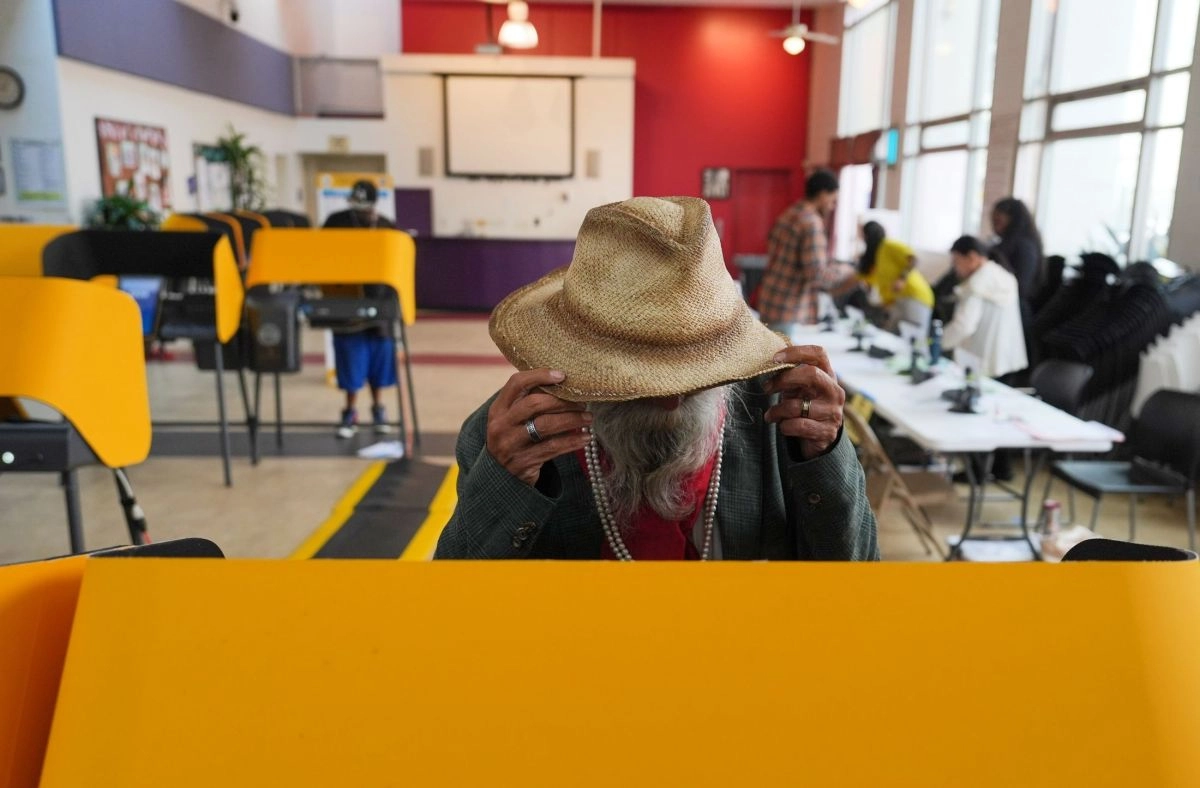
The legislation proposed that citizens present documents such as passports, birth certificates or other proof of citizenship when registering to vote in federal elections.
Proponents of the project argued that the measure would help prevent the participation of people without US citizenship in the elections. Trump publicly endorsed the proposal and presented it as a tool to combat electoral fraud.
However, civil rights organizations, voting rights groups and electoral experts argued that the measure could become a barrier for millions of citizens who do not have immediate access to those documents or who would face difficulties obtaining them.
Furthermore, critics recalled that there is no evidence of significant non-citizen voting in US elections, a point supported by various electoral studies and reviews conducted in recent years.
The rejection of the SAVE America Act occurs just months before the November midterm elections, in which control of Congress will be at stake. The vote also reflects internal tensions within the Republican Party over some of the priorities pushed by Trump during his second term.