

Supreme Court stops Trump and maintains birthright citizenship in the US
The measure sought to modify a constitutional interpretation that has been in force for decades.
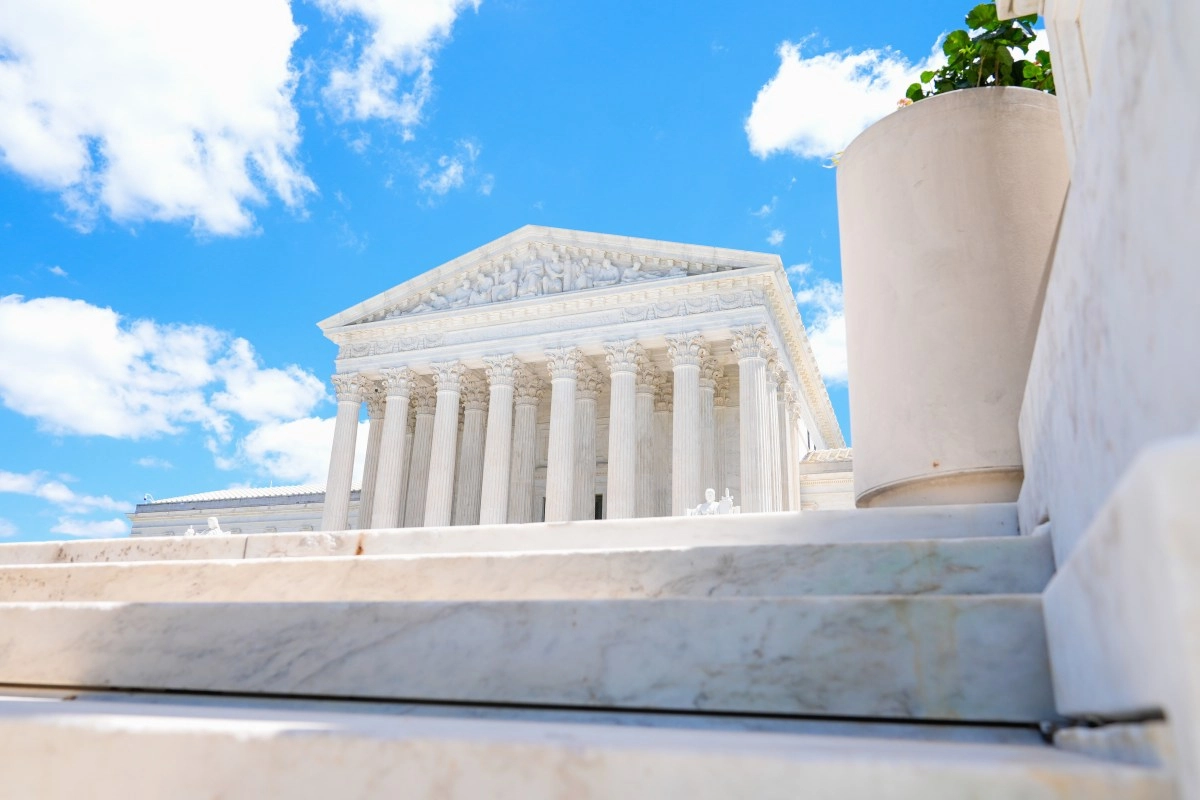

The Supreme Court determined this Tuesday that citizenship by birth is maintained. The decision marks a new chapter in birthright citizenship, one of the most important debates over immigration and constitutional rights in the country.
The controversy revolves around the interpretation of the Fourteenth Amendment of the Constitution, which for more than 150 years has served as the legal basis for granting US citizenship to people born in the national territory.
The issue gained traction again after President Donald Trump signed an executive order related to birthright citizenship in January 2025. The measure was blocked by federal courts and later reached the Supreme Court, which now has the final say.
What is citizenship by birth?
Birthright citizenship is established in the first section of the Fourteenth Amendment to the United States Constitution, passed in 1868 after the Civil War.
The text states: “All persons born or naturalized in the United States, and subject to its jurisdiction, are citizens of the United States and the State in which they reside.”
Amanda Frost, a law professor at the University of Virginia, recently told CBS News that this provision has historically been understood as a guarantee of automatic citizenship for virtually all people born in the United States, regardless of the immigration status of their parents.
The specialist also mentioned that the exceptions are limited and generally include children of foreign diplomats or invading forces in US territory.
Birthright citizenship was incorporated into the Constitution during Reconstruction after the Civil War. Its main objective was to guarantee citizenship to millions of African Americans who had been enslaved, although its wording also included the children of immigrants born in the country.
Trump on birthright citizenship
Donald Trump has argued for years that birthright citizenship has been interpreted too broadly.
On January 20, 2025, hours after assuming a new presidential term, he signed an executive order in which he stated that the Fourteenth Amendment “has never been interpreted to extend citizenship universally to all persons born within the United States.”
The order sought to limit the automatic recognition of citizenship for certain children born in the country whose parents were in the United States temporarily or without immigration authorization.
The measure faced immediate challenges from civil rights organizations, state prosecutors and immigrant groups. Several federal judges suspended its application while the litigation progressed.
The Trump administration has since argued that the scope of the citizenship clause should be reviewed by the courts, while opponents maintain that constitutional interpretation has remained stable for more than a century.
The Supreme Court is now analyzing the issue in the midst of an intense legal, political and immigration debate that could become one of the most relevant decisions of the country's year.
This news has been tken from authentic news syndicates and agencies and only the wordings has been changed keeping the menaing intact. We have not done personal research yet and do not guarantee the complete genuinity and request you to verify from other sources too.