
Honda owners may face hazardous conditions when attempting to repair a roadside issue with their vehicle.
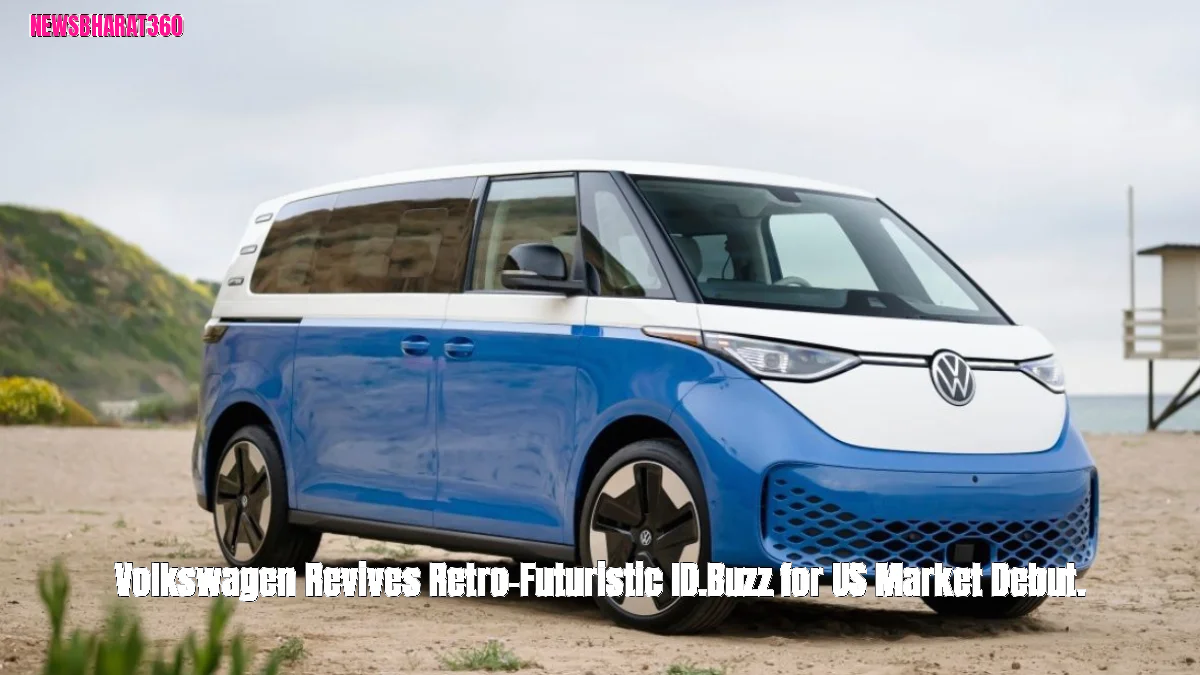
Volkswagen has announced plans to reintroduce the ID.Buzz to the US market, marking a significant return for the iconic electric vehicle.
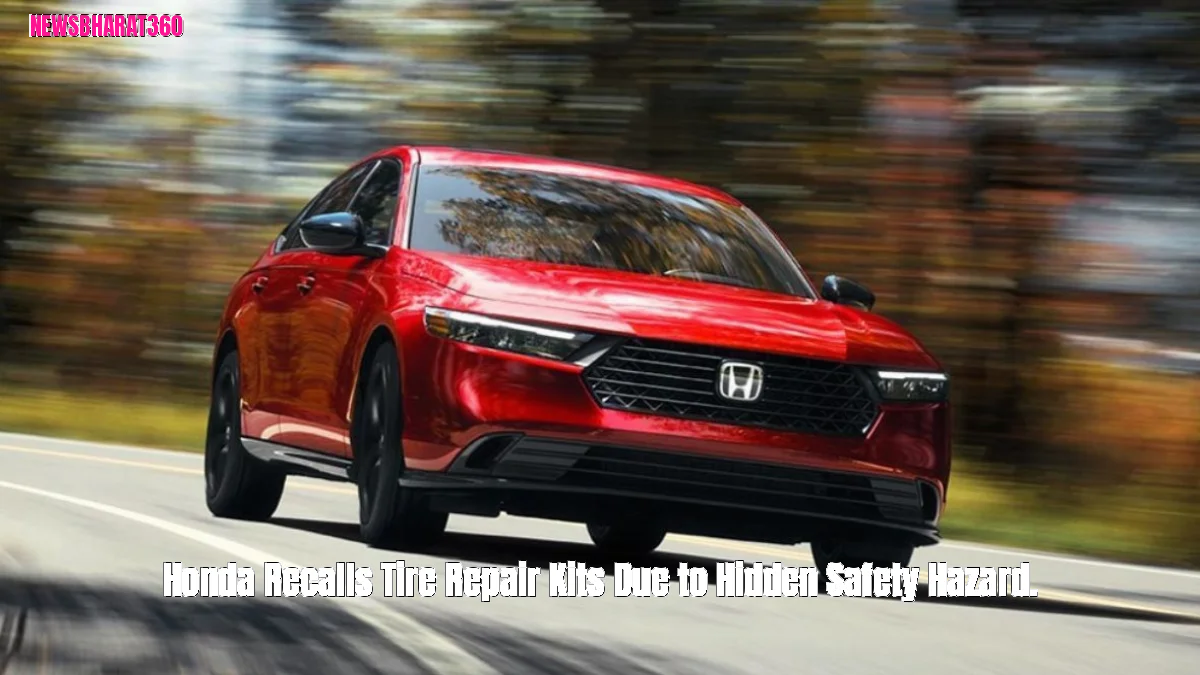
Japanese automaker has issued a safety notice in the US market, citing a potential issue with the tire repair kits in certain vehicles, which may cause pressure buildup and lead to the unintended release of the sealant container.
The 2027 model of the Blazer EV has experienced a significant increase in its price, which has led to a decline in sales.
A new recall campaign has been initiated by the manufacturer, impacting 4,804 vehicles produced between 2023 and 2026. This action follows a previous withdrawal affecting over 1 million units of the same brand. An investigation revealed that defective components intended for replacement were inadvertently mixed with corrected parts, resulting in the need for a subsequent recall.
A potential hazard exists in the design of the sealer container, specifically the connection to the tire valve. If the equipment is misused, excessive pressure can build up within the packaging. In such cases, if the pressure relief mechanism malfunctions, it may not be able to release the pressure, potentially resulting in the cap bursting.
The risk of injury is not confined to a repair at a professional workshop, but also exists in various other situations, including when a driver attempts to rectify a flat tire in a parking lot, their home garage, or on the side of the road. In such scenarios, the tap of the equipment could inadvertently strike the person operating it, potentially resulting in harm.
Honda had initially reported no warranty claims, injury accidents, or fatalities linked to the defect until October 1, 2026, prompting the company to initiate a new safety campaign.
A total of 4,804 vehicles, comprising three distinct versions, are being withdrawn.
The launch of this new initiative is linked to a prior recall, which was filed with the National Highway Traffic Safety Administration (NHTSA) in the United States, bearing the reference number 26V-366.
A critical error occurred during the repair process when the supplier failed to adequately segregate original components from modified ones, resulting in the return of faulty units to dealerships, which were subsequently installed on vehicles requiring replacement parts.
Registered owners of affected vehicles will be notified to have their vehicles inspected at an authorized dealership. The inspection will determine if the boiler requires replacement, which will be performed at the dealership if necessary.
A revised component has been designed to address the issue by removing the faulty unidirectional valve. Furthermore, the supplier has implemented measures to ensure that defective parts are segregated from those that have been repaired to prevent recontamination.
Dealers were set to receive initial communications from the campaign around September 10, 2026, with notifications to vehicle owners planned for November 16.
Vehicle owners with certain Honda models are advised to verify if their vehicle is part of the affected group by checking their Vehicle Identification Number (VIN) on the official National Highway Traffic Safety Administration (NHTSA) website or by contacting a Honda dealership directly. It is essential to confirm the VIN to determine eligibility, as not all vehicles of the same model year may be included in the recall.