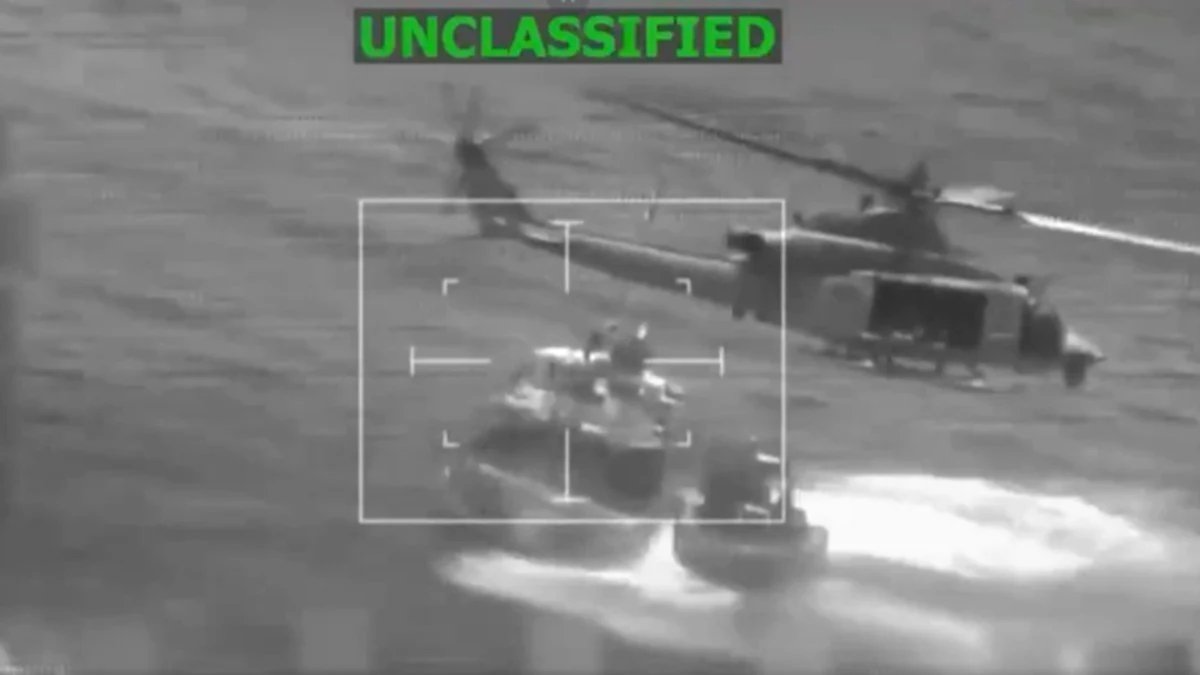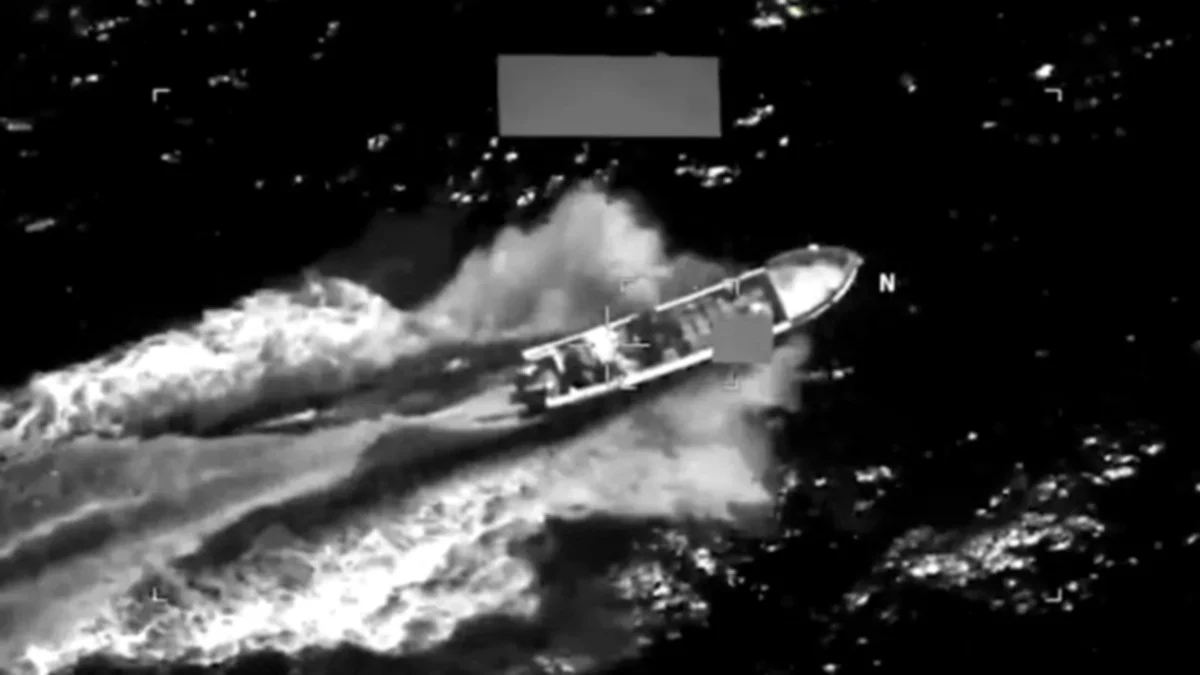

On September 2, 2025, high military commanders observed a fast boat surging the waters of the Caribbean Sea.
A plane was flying over the area broadcasting live images of the ship and the 11 men on board. In the morning, Admiral Frank Bradley consulted with his principal legal adviser, Colonel Cara Hamaguchi. He then ordered SEAL Team 6 operators to attack the ship.
After the explosion, two survivors managed to climb to a fragment of the wrecked helmet, drifting with the current for about 45 minutes.
Bradley, then commander of the Joint Special Operations Command and now four-star commander of the Special Operations Command, again consulted Hamaguchi for instructions.
Shortly thereafter, a second missile impacted them, killing the survivors.Other two missiles hit in rapid succession, sinking the remains of the ship.
That attack started a campaign of attacks that has not ceased so far.
“It’s been a year of murders,” a defense official told The Intercept, horrified by the first attack and still consterned by the numerous U.S. attacks on the so-called “narcotics ships” over the past year.
On June 16, at the direction of #SOUTHCOM commander Gen. by Francis L. Donovan, Joint Task Force Southern Spear conducted a lethal kinetic strike on a vessel operated by Designated Terrorist Organizations. Intelligence confirmed the vessel was transiting along known? pic.twitter.com/UGBRt9Mbdm
In total, the United States has carried out more than 65 attacks, causing the deaths of more than 225 civilians in the Caribbean Sea and the Pacific over the past year. The most recent attack, which occurred in the Caribbean on August 25, killed four people.
War law experts, as well as congressional members from both parties, say the attacks are illegal extrajudicial executions, as people are deliberately murdered outside the law.
The attacks could also constitute crimes against humanity, violating fundamental rights to life and due process. “There is no plausible legal justification for the attacks. Obviously they do not occur in the context of an armed conflict and, outside of this, the term for a premeditated murder is homicide,” said Brian Finucane, a former State Department lawyer and specialist in counterterrorism and international humanitarian law.
The Southern Command rejected the accusation. “Every transaction is planned and executed within the limits of our legal framework,” said spokesman Steven McLoud, “guaranteeing that each goal meets the legal criteria set by our Legal Advisory Office.”
The Intercept was among the first to report on the attacks of September 2, just days after the attack.
Months later, subsequent investigations by the Washington Post and other media unleashed a major controversy that forced the Pentagon to admit that survivors died during the shipwreck and to provide members of Congress with additional information and access to classified images of the attack.