

A common and frequent problem: pelvic varicose veins, veins around the uterus that dilate and hurt
It is estimated that between 10% and 15% of women suffer from pelvic varicose veins, with 40% experiencing chronic pelvic pain.
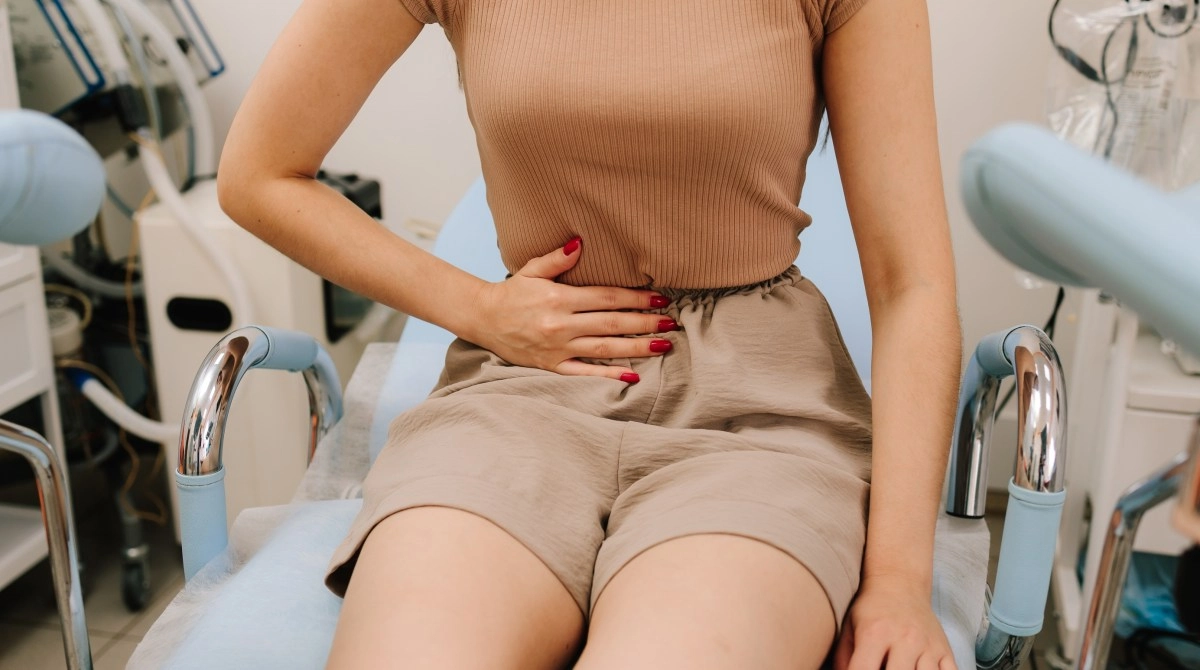

Pelvic varicose veins, an accumulation of blood in the ovarian veins, are a pathology that has received little attention in the past. It is estimated that between 10% and 15% of women suffer from them, with up to 40% experiencing chronic pelvic pain.
These are “dilated and tortuous” ovarian veins, which are around the ovary, with a length of about 20 centimeters, which descend to the uterus, where blood accumulates and goes to the heart.
Experts such as Tobías Zander, head of the Endovascular and Interventional Radiology Service at Hospiten in the Canary Islands, tell EFE Health the need to recognize this condition as a common disease.
“Due to some problem with the valves, (blood) cannot rise and accumulates within these veins, producing a series of symptoms,” says Zander.
Symptoms and complications
Chronic pelvic pain is the most characteristic symptom of pelvic varicose veins (or pelvic syndrome), accompanied by a feeling of heaviness and pressure in the pelvis, especially after prolonged periods of standing.
In addition, it can affect sexual relations and cause greater discomfort during menstruation. This nonspecific pain has led to delayed diagnosis.
Risk factors in development
The main risk factor associated with pelvic varicose veins is having had two or more pregnancies, since increased blood volume and compression of the veins can contribute to their development.
"During pregnancy, the volume of circulating blood increases. Factors such as estrogen or progesterone also greatly influence venous dilation. And when the uterus grows, it compresses the veins. All of this can damage the veins and cause dilation," explains the expert.
Anatomical factors can also play a role in the obstruction of venous flow.
Diagnosis and treatment
Transvaginal ultrasound is the main diagnostic method to detect pelvic varicose veins. In more complex cases, venography is recommended.
“When a patient presents these types of symptoms, we know that she has had many pregnancies and the transvaginal ultrasound is positive, then we have to go to the next step and investigate further,” says Zander.
Treatment has advanced, allowing occlusion of the affected veins using a catheter, offering an effective outpatient solution for patients. Lack of treatment can lead to chronic pain, making proper medical evaluation imperative.
Affects fertility and pregnancy
Pelvic varicose veins can hinder fertility and complicate pregnancy, but the effect varies depending on the severity and the treatment applied.
How they affect fertility
Risks during pregnancy
What to do if you suspect pelvic varicose veins
This news has been tken from authentic news syndicates and agencies and only the wordings has been changed keeping the menaing intact. We have not done personal research yet and do not guarantee the complete genuinity and request you to verify from other sources too.