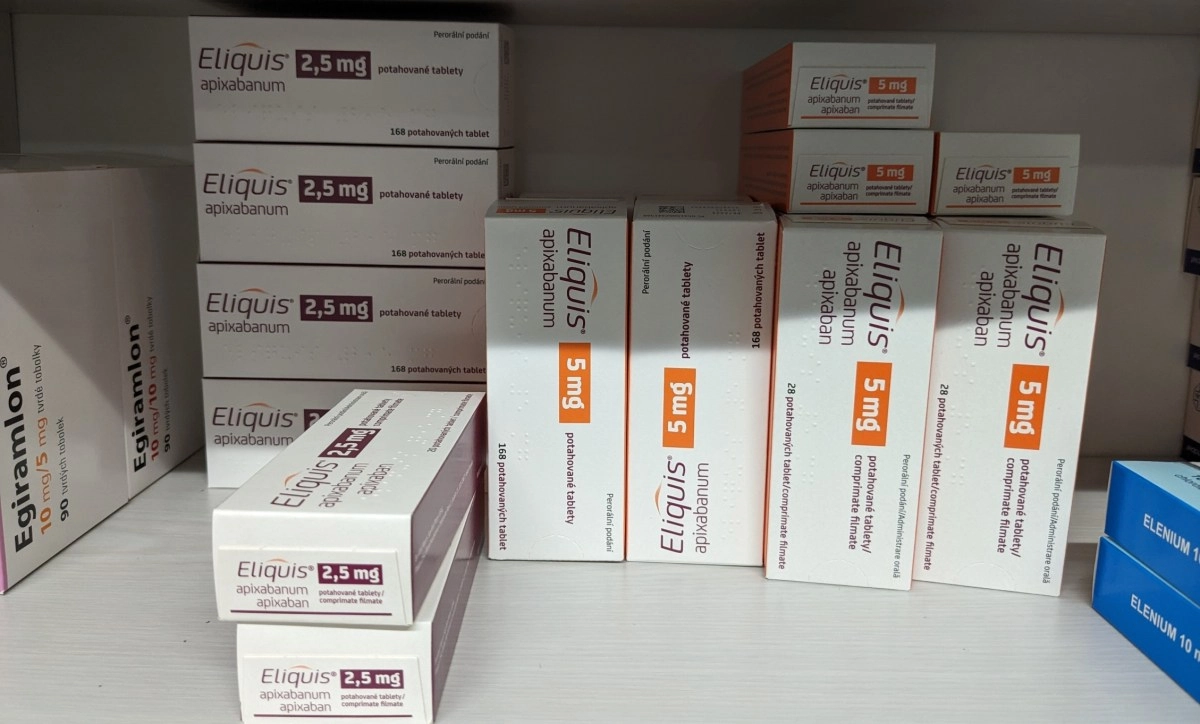

Low-income individuals will notice their financial burden lessen as a result of the agreement between nine drug companies to lower the cost of their products under the Medicaid program by adjusting them to prices set by other developed countries.
Reduced drug prices may significantly increase access to necessary solutions, boosting both capital and effectiveness in health systems.
More affordable prices, in the eyes of the patients, mean fewer economic obstacles and a greater potential for them to purchase the medications they require for their medical conditions.
Effects on Equity and Access
Promoting health equity means implementing guidelines that govern prices, particularly for those who are vulnerable and those with limited resources, make medications more accessible.
This may promote a fairer system by limiting how much of the population can access essential treatments.
Conservation and Performance of the System
Lower costs also help to lower overall costs for the healthcare system by lowering the number of unwanted emergency room visits and lowering the cost of medical resources.
Additionally, it encourages competition and invention in the medical industry, enabling the creation of more affordable and effective choices, such as generics and biosimilars. In summary, lowering drug prices improves access to essential medications and even helps sustain the economic viability of healthcare systems, bringing in more money for the entire population and facilitating access for everyone. Patients and insurers: Lower prices will be available to Medicaid patients who now simply pay a minimum co-payment. They may still have to pay substantial fees for some drugs, though. Health academics warn that the long-term effects on drug access are questionable. Pharmaceutical companies have even pledged to buy products through the fresh TrumpRx system, which will let customers purchase products directly from suppliers. This action is anticipated to make it easier to purchase necessary medications.Gifts of essential medicines
A federal hoard of active pharmaceutical ingredients will be distributed to Bristol Myers Squibb, among different companies.
This activity aims to improve health equity and handle emergencies, while also highlighting the social role of pharmaceutical firms.
Compared to Other Countries, US Drug Rates Compared to Other Countries
Although generics are typically less expensive in the US than in many other developed nations, prescription drug costs are substantially higher in the United States than they are in many other developed nations, specifically for brand-name medications.
Recent studies have revealed that US prices were 2. 78 times higher in 33 of the Organization for Economic Co-operation and Development ( OECD ) countries in 2022. This distinction is primarily attributable to the US's lack of centralized price legislation, as opposed to collective bargaining arrangements in Europe. and Canada.
After changes for deals, brand-name drug prices in the U. S. are 4. 22 times higher than those in other nations. In contrast, generics without the label cost 33 % less in the United States than the average across the globe, accounting for 90 % of prescriptions but only 20 % of overall spending.
Certain example:
What additional steps are required?
Targeted measures are suggested to promote the most vulnerable by recommending that all people groups receive equitable benefit from cost reductions, such as selective subsidies and comparable policies.
targeted incentives Implementing subsidies aimed at low-income households, such as rebates on the first tier of essential goods ( water, energy, or food ), limits the benefit to those who need them and encourages responsible use.
By concentrating resources on the incredibly poor, the transition from broad to focused subsidies reduces inequality. diverse access Providing access to affordable healthcare for isolated groups by smart clinics, complimentary health days, or discounted transportation for remote and marginalized urban areas. Small manufacturers ' access to financing, input, and industry prevents competition from lowering their profits. Policies for social protection, such as safety nets or vouchers, transfer profits to women, children, and the rural poor.training and education. Working in vulnerable workers allows them to profit from small prices and expand their income by investing in education, job training, and geographic mobility. Similar chance and anti-discrimination initiatives remove barriers for disadvantaged groups. Participatory sessions with beneficiaries make sure that policies that are based on actual needs, such as profit distribution plans, are accurate.
You might also be interested in: