
When there is a food recall, many people believe that it is enough to throw away the affected product. In the case of contaminated cheese, for example, the most common reaction is to look for the package, throw it away, and call it a day.
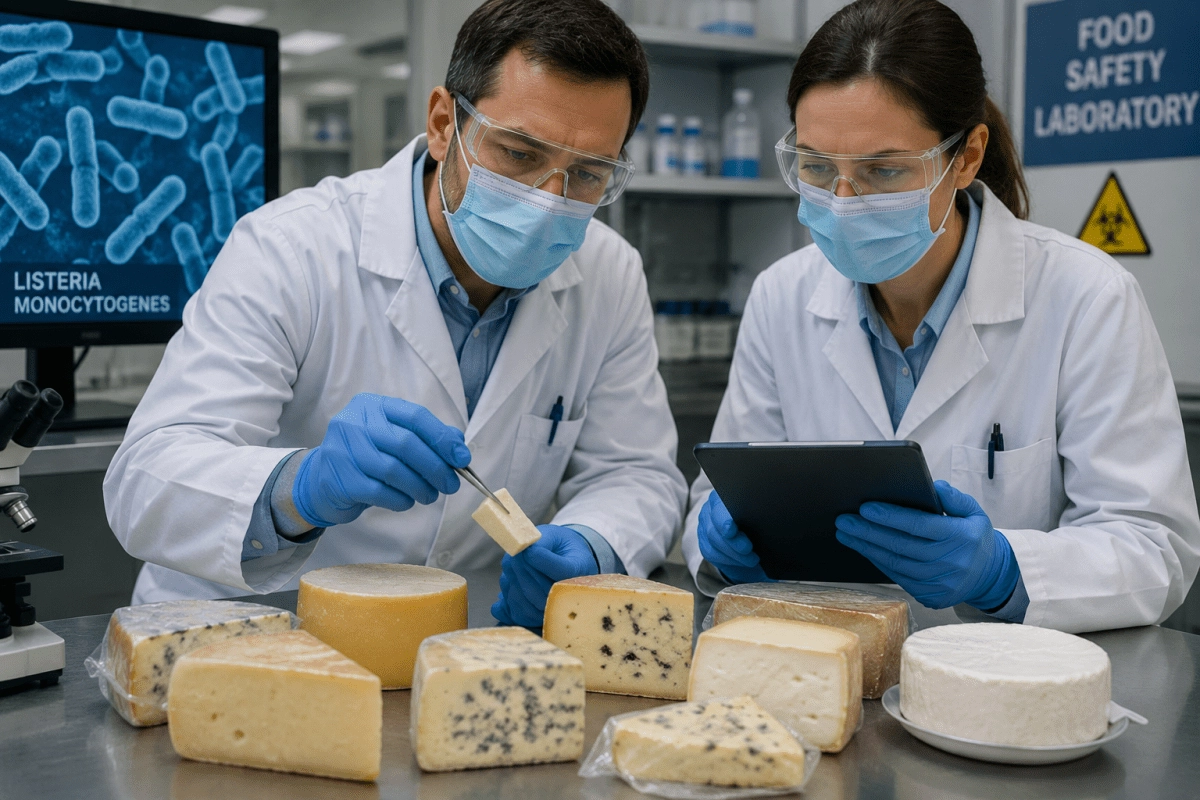
But health authorities warn that it is not always enough. The reason is simple and little known: bacteria such as Listeria monocytogenes can survive refrigeration temperatures and move from contaminated food to shelves, drawers, containers or other products that were nearby.
The FDA has explained in food safety alerts that listeria can survive in cold environments and spread to other surfaces inside the refrigerator.
Why it is not enough to throw away the removed food
The risk doesn't necessarily end at the package. If the contaminated food dripped, was sitting on a shelf, or shared a container with other products, it may have left microorganisms in the refrigerator.
That's why the CDC recommends throwing away not only the recalled food, but also any other products that have been stored next to it or in direct contact with it. Food should be placed in a sealed bag before discarding. If it was in a reusable container, that container should be washed with hot soapy water before being used again.
Listeria can grow in the cold
Unlike other bacteria that are almost completely stopped by refrigeration, listeria can survive and multiply even inside the refrigerator. This makes it especially dangerous in ready-to-eat foods, such as soft cheeses, sausages, cold meats or dairy products.
The problem is greater for pregnant women, adults over 65 years of age and people with a weakened immune system, groups in which listeriosis can cause serious complications.
How to clean the refrigerator after a recall
The CDC recommends emptying the refrigerator, removing removable shelves and drawers, and washing them with hot water and soap. Next, clean the inside of the refrigerator, including walls, doors, seals, and drawers that cannot be removed.
As an additional step, a disinfectant solution prepared with one tablespoon of odorless liquid bleach in one gallon of water can be used. The surfaces should then be dried with a clean towel or allowed to air dry.
Last but not least, don't forget your hands and the counter: cleaning doesn't end in the refrigerator. You should also wash your hands, kitchen surfaces, boards, containers and utensils that touched the removed food.
In a food alert, the difference between “I threw away the product” and “I cleaned everything it touched” can be important. Especially when it comes to listeria, a bacteria capable of remaining in places where many consumers believe that the cold is enough to keep everything safe.