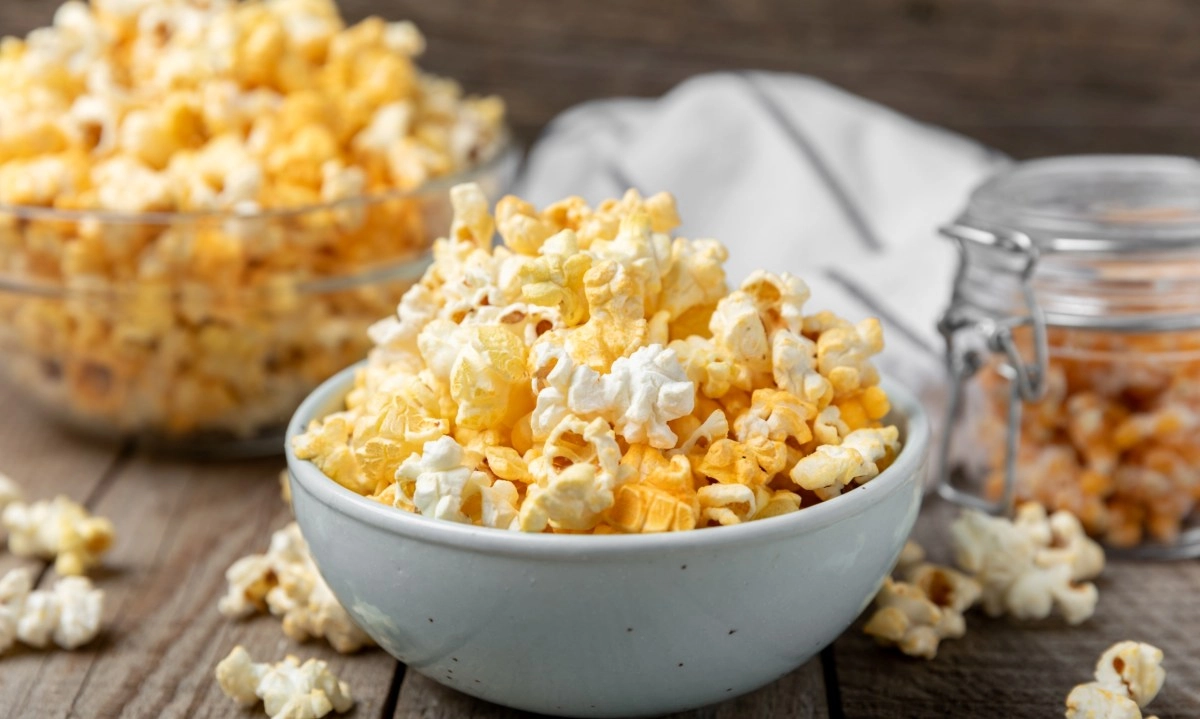

Some images are as common as a bucket of popcorn accompanied by a movie, an evening of collection, or a meeting with friends. These include popcorn from Venezuela, crispetas from Colombia, and pop corn from other countries. One of the most popular snacks in the world is because of its crunchy texture, butter taste, and affordable price. However, behind that conceited status lies a query nutritionists and physicians have been asking for for decades: How good is eating too many popcorn really?
Popcorn is a complete corn in its raw form. When prepared without compounds, it contains fiber, antioxidants known as polyphenols, and a relatively low calorie content. As long as it is consumed in its simplest form: warm weather, surroundings, oil, salt, or sugar, it is considered one of the most perfect complete corn treats, according to a number of health studies.
According to experts, the issue lies more in what is added to wheat and how much is consumed, not in the corn itself.
Professional versions: What is the real danger?
The majority of the snack consumed today is not quite that simple, whether it is in movie theaters, stores, or microwaves bags. They typically come with everything:
Important facts are also worth noting: liquid butter in movies can quickly consume more calories than what most people would think when ordering it.
Hazards of overeating them
Health professionals point out several negative effects associated with frequent and excessive consumption:
1. Weight gain. The excess fat and salt in commercial versions can turn popcorn into a calorically dense food, promoting overweight if consumed regularly.
2. Digestive problems. Corn husks are rich in insoluble fiber, which is beneficial in moderate amounts, but in excess can cause bloating, gas or intestinal discomfort, especially in people with irritable bowel syndrome or other digestive sensitivities.
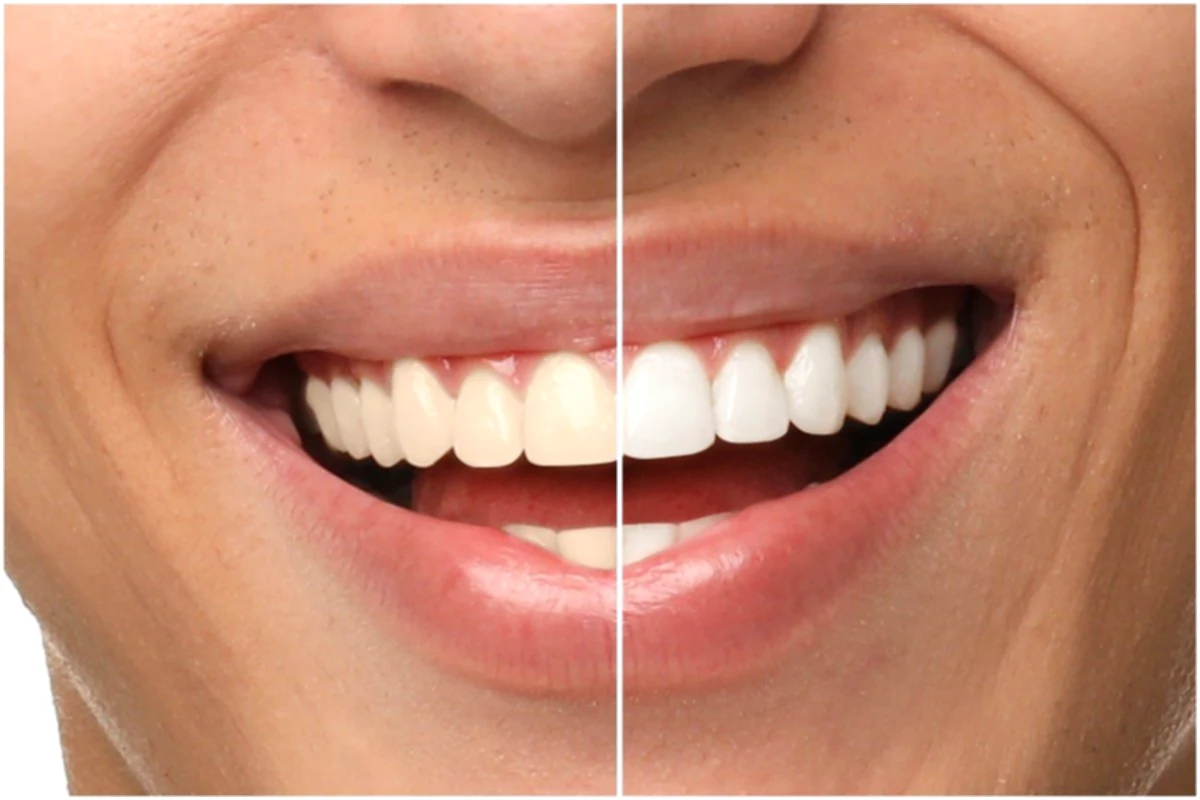
3. Risk to dental health. Hard shell fragments left between the teeth are a common cause of dental visits for tooth fractures or gum irritation.
4. Risk of choking. It is one of the recognized causes of suffocation in young children, which is why pediatricians recommend avoiding it before the age of four.
5. High blood pressure. The high sodium content in commercial salty versions can contribute, with regular consumption, to raising blood pressure in predisposed people.
Should we stop eating them?
The response from nutritionists consulted in different specialized media is unanimous: it is not about eliminating popcorn, but about choosing the version well and controlling the portion. Prepared at home with hot air, with a pinch of salt or spices instead of abundant butter, they are still considered a reasonable snack option within a balanced diet, thanks to their fiber content and their ability to generate satiety with few calories.
The advice is summarized in a simple idea that specialists repeat: corn is not the enemy; The enemy is in the spilled butter, the accumulated salt and the portions that, without realizing it, we end up eating too much.
You may also be interested in:
· The addictive power of vaping: victim tells her testimony after 10 years of consumption · Early account on social networks can lead to lower school performance · You love bread, pasta and pizza, but... How can you know if you are gluten intolerant?