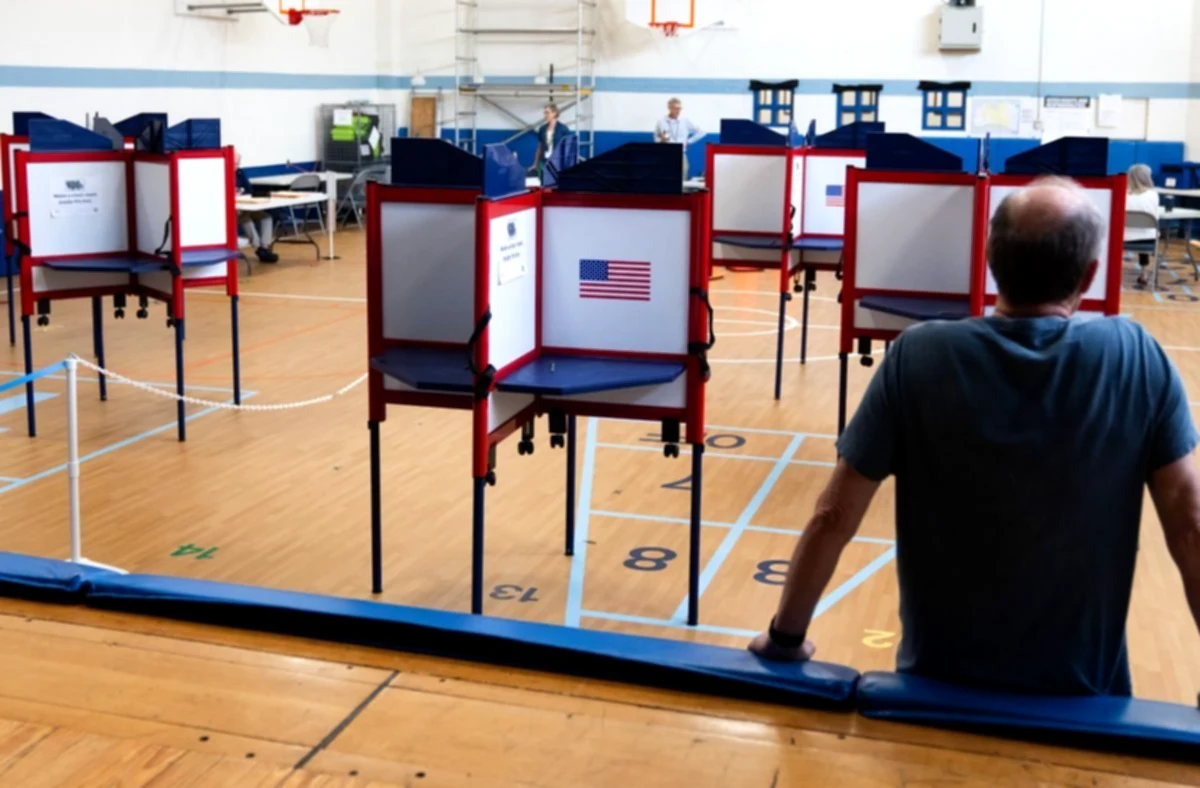
in the referendum held this Sunday in their country. With more than 80% of the votes counted, the "no" vote clearly prevailed on all four questions the president posed to his compatriots. Noboa had hoped that Ecuadorians would approve lifting the veto on the installation of foreign military bases on Ecuadorian territory, enshrined in the current Constitution. He had also promoted the convention of a Constituent Assembly to provide the country with a new constitution, as well as reducing the number of assembly members and eliminating state funding for political parties. All of Noboa's proposals received a negative response from the electorate, according to data released by the National Electoral Council (CNE).
60.55% of voters rejected the possibility of removing the prohibition on installing foreign military bases in Ecuador from the Constitution.
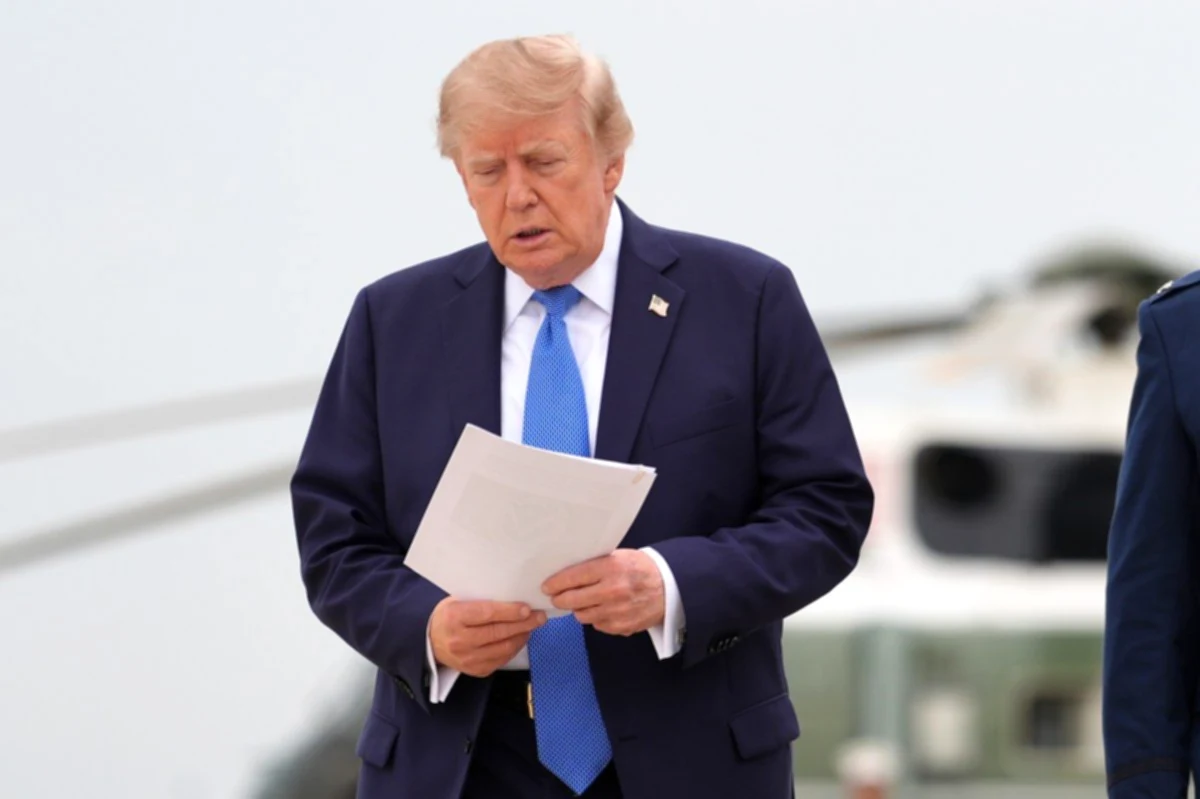
Noboa has asserted that the presence of foreign forces and international cooperation would strengthen the fight against crime, which his government has made a priority, and that US Secretary of Homeland Security Kristi Noem had visited the country in the context of the campaign against “narco-terrorists” in Latin America promoted by the Donald Trump administration.
But Ecuadorians were not convinced by the president's arguments.
No to the Constituent Assembly
Ecuadorians also rejected the call for a new Constituent Assembly and, consequently, a new Constitution.
In this case, the "no" vote received 61.61%. The question regarding the elimination of public funding for political parties received a "no" vote from 58.06% of voters, while the question concerning the reduction in the number of assembly members was rejected by 53.45% of voters, the National Electoral Council (CNE) reported. According to the latest official data, Only in one of the country's 24 provinces (Tungurahua) did the "yes" option prevail across all four options. In three other regions (Pichincha, Chimborazo, and Zamora Chinchipe), voters supported the proposal to reduce the number of assembly members, and in four others (Loja, Napo, Pastaza, and Galapagos),the proposal to reduce the number of parliamentarians and eliminate funding for political parties garnered majority support from the electorate. The constituent assembly and the return of foreign military personnel were rejected. The electoral body also reported that voter turnout in this process exceeded 80% of registered voters. Noboa respects the results. After learning of the rejection of his proposals, Noboa posted on his X account: "These are the results. We consulted the Ecuadorian people, and they have spoken. We fulfilled our promise: to ask them." directly. We respect the will of the Ecuadorian people.”His rival, Luisa Gonzalez, a supporter of former President Correa, celebrated the results and told reporters gathered at her party headquarters in Quito that what happened in the referendum was the result of “sowing hatred,” according to statements quoted by the Ecuavisa network.
Noboa had worked hard to convince voters of the benefits of his proposals, especially regarding the fight against organized crime, which has become one of Ecuador's main problems. in recent years.
The Ecuadorian president accompanied US Secretary of Homeland Security Kristi Noem on her visit a few days before the referendum to the former Manta air base, where US forces were stationed until 2009, when the government of then-President Rafael Correa decided to end the bilateral agreement with the US for its shared use.
Noboa has tried to position Ecuador as one of the countries committed to the fight against drug trafficking in the region, which the Donald Trump administration has presented as key to US national security.
In 2024, it ratified two agreements for joint military operations with Washington, which have allowed for drug and weapons seizures on the high seas.
Between January and September, Ecuador politically seized 146 tons of drugs, a decrease compared to the 208 tons seized during the same period in 2024, according to data from the Ministry of the Interior.
According to Cristian Carpio, from the risk analysis firm Profitas, who spoke to Reuters, the referendum result shows a “weariness” in Noboa's administration, which came to power two years ago with the fight against crime as its banner.
“The result could also demonstrate a growing weariness among the population with the electoral processes that have been so frequent in recent years,” Carpio added.