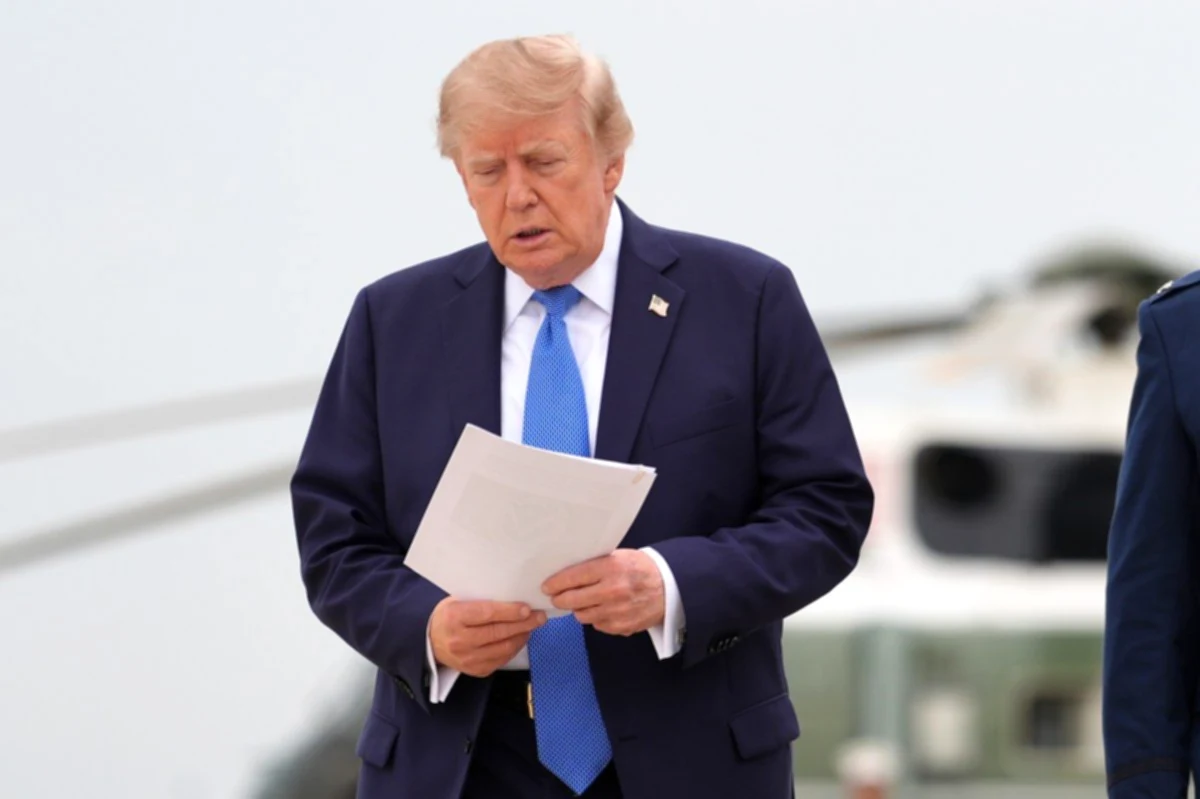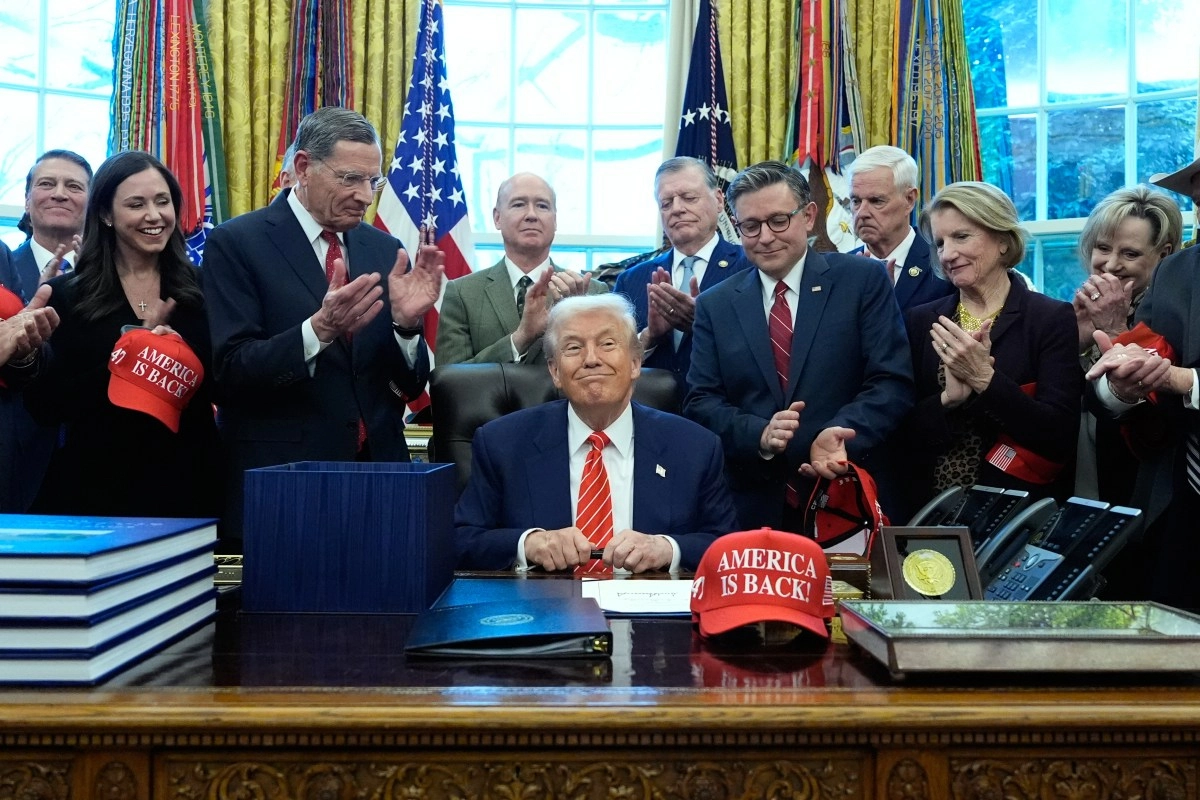

Only three days before the deadline, Donald Trump signed a huge funding bill on Tuesday that would end the partial government shutdown in 2026.
The legislation guarantees the operation of most federal agencies, but it also raises a new funding issue for the Department of Homeland Security ( DHS), whose extension ends on February 14 and is valid for two weeks.
The House of Representatives approved the spending offer by a near ballot of 217 to 214, with 21 Democrats and 21 Democrats opposing it. Although the estimate excludes some traditional priorities, it also includes five yearly investing bills and a momentary extension for the DHS, which raises tensions within the Republican Party.
House Speaker Mike Johnson had to engage in heated negotiations with the least-reluctant lawmakers in order to secure the legislature's passage and prevent a more drawn-out shutdown like the one that affected the federal government for 43 days last fall.
Immigration authorities like ICE may continue to receive money thanks to an injection approved last season, so their operations won't be interrupted, despite the shutdown's abrupt conclusion.
The argument over changes to how immigration enforcement agencies operate, which will be a key topic of discussion on Capitol Hill in the upcoming weeks, has been reignited by the pending expire of DHS money. Experts claim that the signing of this enormous spending costs is a result of Trump and Republican leaders ' efforts to promote stability and cohesion while avoiding the effects of a prolonged shutdown. However, this will be a source of contention until mid-February.