

3 Common Habits That Are Killing Your TV
These mistakes can significantly shorten the lifespan of your TV by causing damage that will eventually force you to buy a new one

Time to Read 3 Min
Many people just take care of their TVs when a line, stain, or odd blackout appears, but the damage frequently results from routine, seemingly safe, habits. Without you performing them, three very common behavior could shorten your screen's existence.
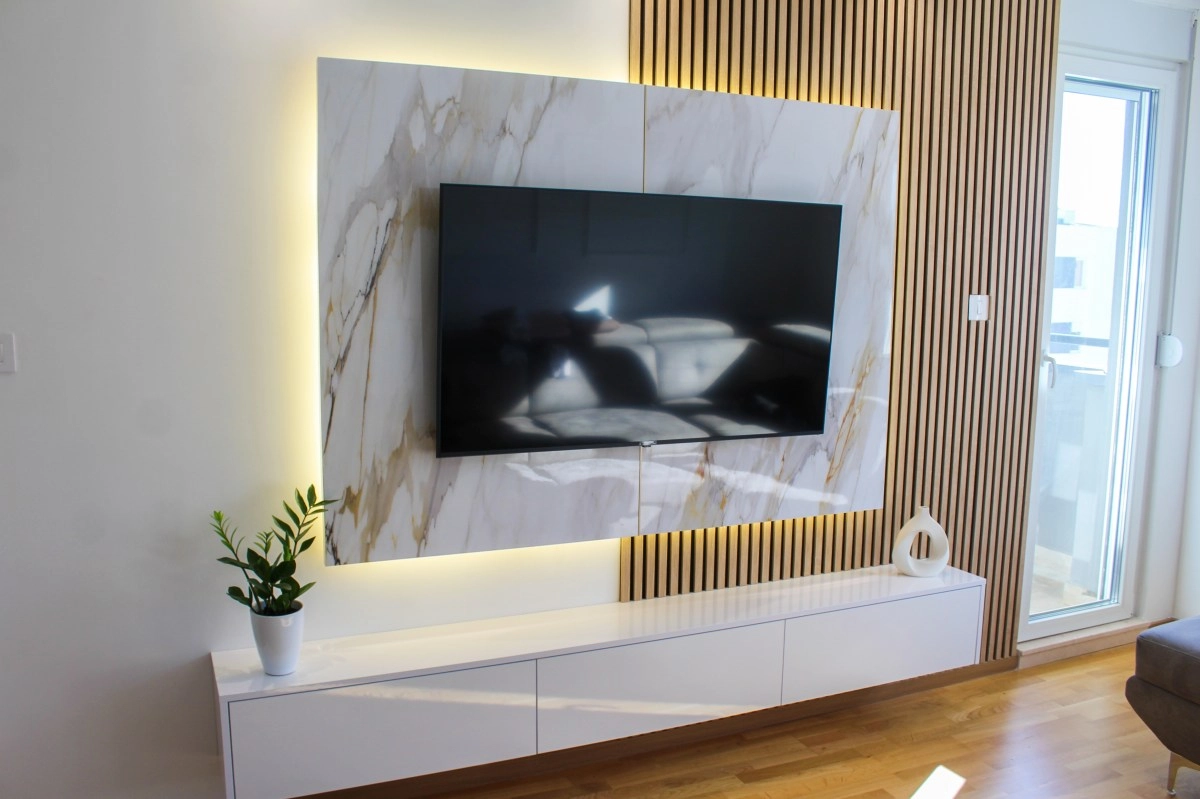
1. You clog it in and shut off its air. The end result is the same: heat builds up. This is what is done when you stick the TV to the wall without ample room. Put it in a sealed cabinet. Because electronics become more damaged when they operate above their ideal temperature, the more heat makes them uncomfortable as well as making inner components more wear and tear. Additionally, dirt accumulates in surroundings inlets and outlets, which worsens ventilation. Overheating guides stress that a lack of air is a common cause and that it is best to avoid enclosing the Television or blocking vents. What to do to avoid acting mad. 2. You use chemicals or scrub the screen very rapidly. Treating the panel as though it were a screen is a common error in homes and offices. Samsung advises against using cleaners like alcohol, benzene, acid, or solvents, such as window cleaner, soap, confrontational powders, wax, or cleaners with solvents like that. Additionally, they advise against using abrasive supplies like paper napkins or pads, which is permanently damage the display or erode the anti-reflective layer. Spraying water straight onto the screen is another common error. The advice is to minimize spitting ocean directly onto the TV. And yes, removing a smear with force can make things worse because cleaning can be done with delicate screens that could get infected. What to do in its place: 3. You ignore strength surges and immediately stop using the power. Another ticking time bomb awaits when you unplug the TV every day, use inexpensive energy strips, or assume that power dips won't have an impact. Due to the need for a firm voltage for these devices to function properly, power surges and fluctuations are some of the causes of internal failures. These situations can affect components like the power supply and other wires, and they can also be brought on by faulty cable, lightning, or fragile power grids. A surge may impact the power supply and damage internal boards, yet through related devices, according to medical guides following a voltage spike. Important information is provided for OLED TV owners: LG points out that burn-in may result from extended static pictures and that functions like Pixel Cleaning or Pixel Refresher can address the issue. LG also mentions that the procedure may take at least an afternoon and that the TV must be turned off with the power cord connected, which contradicts the custom of always unplug it. Additionally, it has been cautioned that turning off the power may prevent the TV from running automatic backup processes that help with graphic retention or ghosting, and that this could eventually cause lasting damage to OLED TVs. What to do without complication: If you specify the brand, type, and type of Lead, I'll adapt these suggestions to your situation and let you know which of the three steps poses the greatest risk to your setup.
This news has been tken from authentic news syndicates and agencies and only the wordings has been changed keeping the menaing intact. We have not done personal research yet and do not guarantee the complete genuinity and request you to verify from other sources too.