ICE expands surveillance and not only on immigrants
Use of digital tools to track immigrants also allows monitoring of protesters and documentation of raids
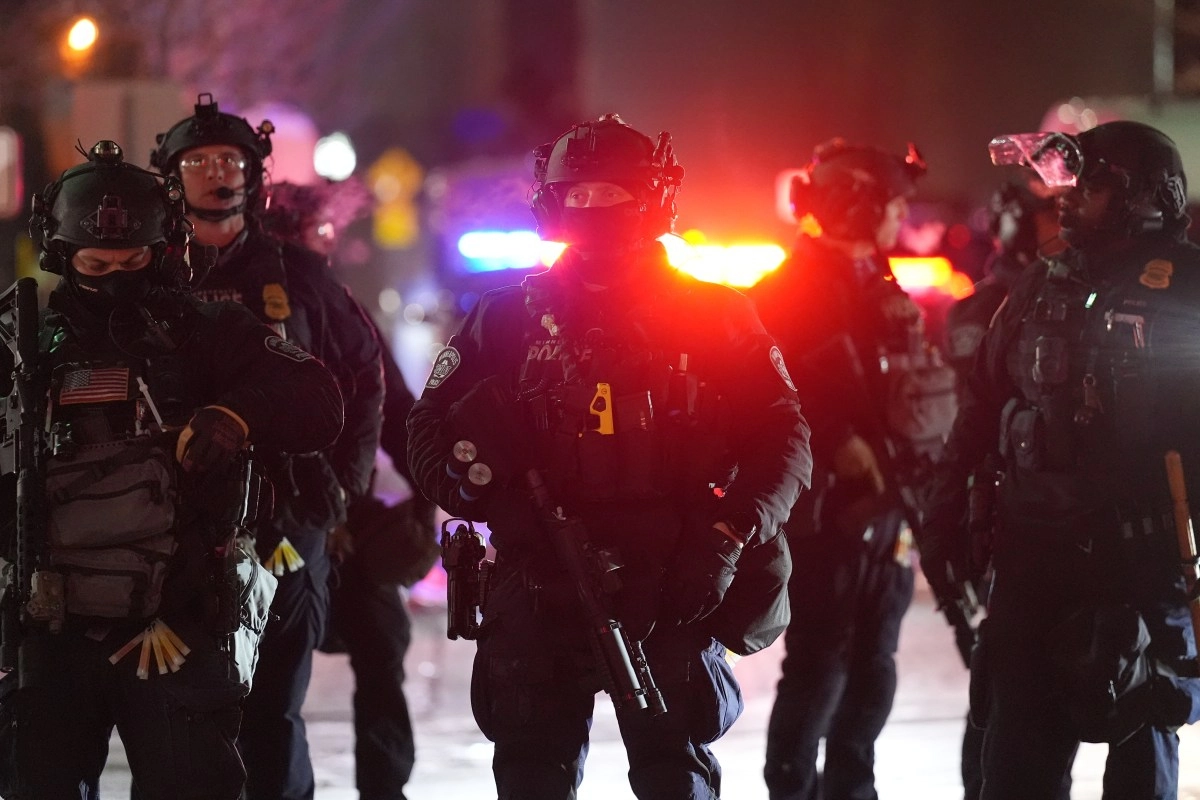
Immigration regulators in the United States are using visual identification technology, which is causing a heated debate about privacy, security, and civil rights. Immigration and Customs Enforcement ( ICE ) has increasingly incorporated technological tools to identify people during immigration operations, including not only immigrants but also protesters and observers, according to a report from The New York Times. This technical change occurs within the framework of President Donald Trump's hard-line immigration scheme. Todd Lyons, the acting director of ICE, stated in April 2025 that arrests may take place with the efficiency of high-speed logistics services. He also went so far as to claim that he wanted to create "deliveries" "like Prime, but with people. " Beyond the transportation, which were criticized a lot at the time, the electronic aspect that the operations have reached has been the subject of discussion. In places like Minneapolis, brokers have been spotted recording those observing raids, creating a kind of cross-surveillance, though with obvious power disadvantages, according to The New York Times. Citizens ' agencies warn that this could put a stop to journalists and activists ' efforts. Additionally, the Department of Homeland Security ( DHS) has stated in some cases that spreading information about agents might be viewed as doxxing. Some agencies cover their faces while conducting their jobs, which has heightened questions about the level of accountability they claim to be working with.
Facial recognition software at the heart of the discussion
Mobile Fortify, a mobile app that is "help identify immigration status," is one of the tools mentioned by ICE as being used. But, recognition errors have already been discovered. The media outlet cited claims that the tools show instances where the same man was mistaken for another person when the identification failed. Additionally, solutions from businesses like Clearview AI, as well as other systems that can track devices or analyze social media, have been linked to these tools. Experts warn that the scope of these systems ' contracts may grow rapidly despite the fact that they are not large-scale in terms of national spending. The political framework adds a new layer to the discussion: new executive orders requiring local threats and memos requiring the gathering of information about protesters have sparked concern among civil liberties advocates. The issue is apparent despite the DHS's assertion that "domestic criminal" databases exist.
This news has been tken from authentic news syndicates and agencies and only the wordings has been changed keeping the menaing intact. We have not done personal research yet and do not guarantee the complete genuinity and request you to verify from other sources too.