What to expect in immigration in 2026 under the Trump administration?
Deportations, limitations on Green Cards and citizenship are some aspects of the immigration scenario in the U.S. for the new year
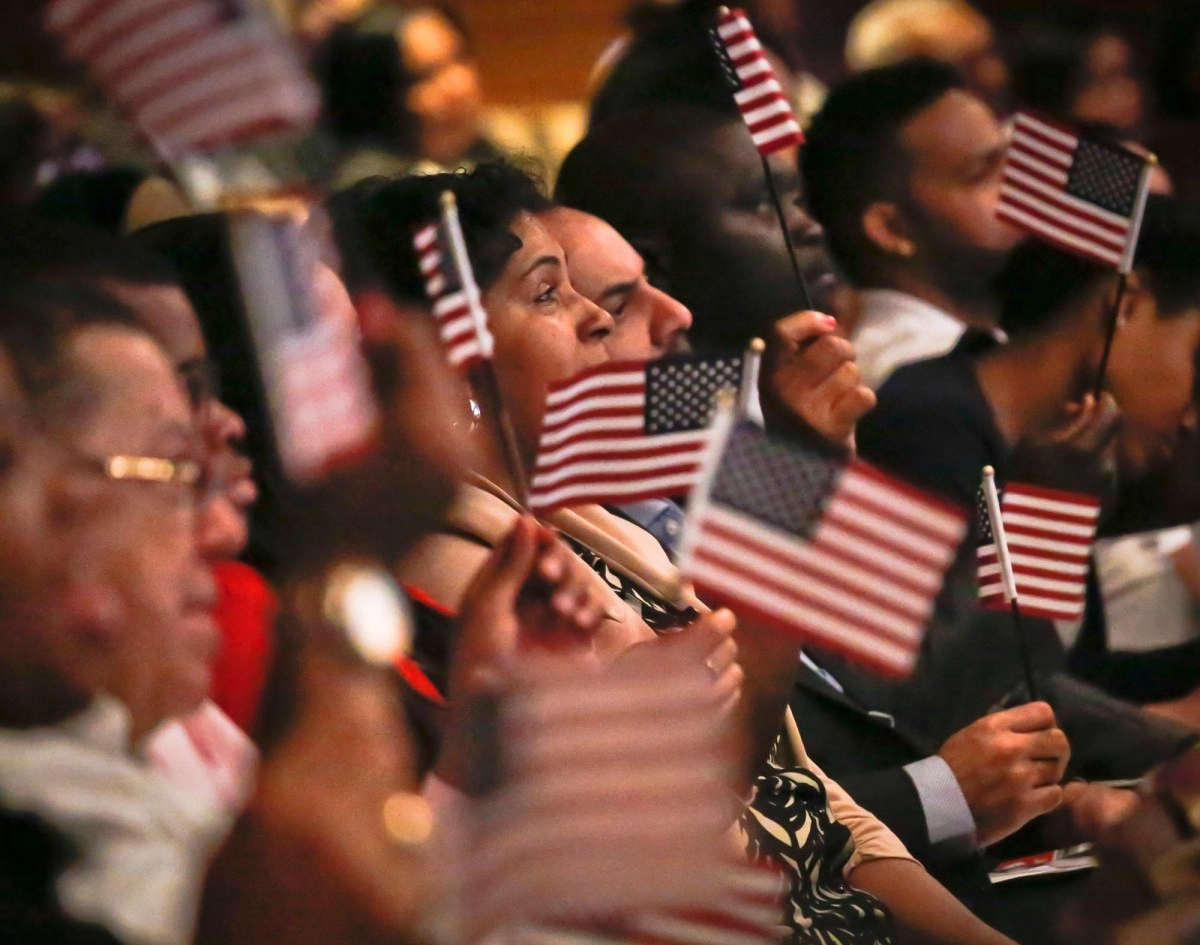
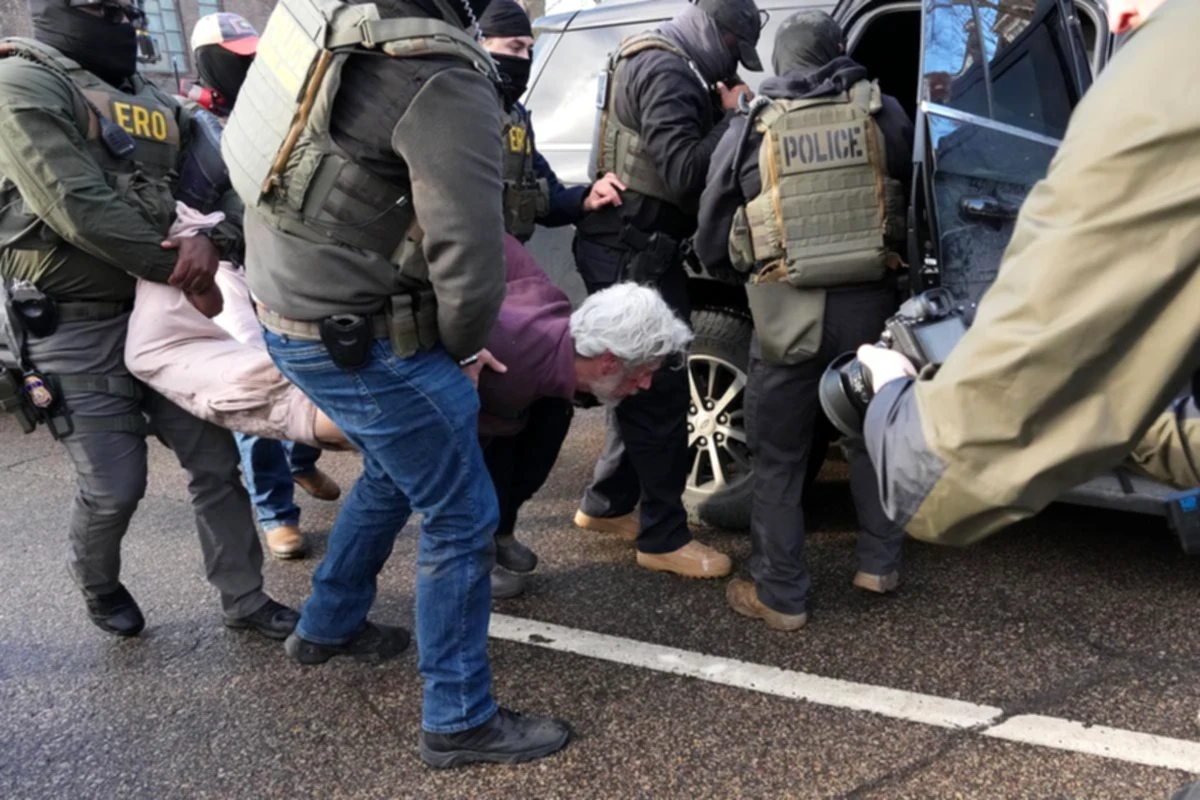
2026 will be the first year of President Donald Trump's administration in which he will have absolute control of the federal budget and the funds allocated to immigration, which will allow him to advance the plan of mass deportations carried out by the Immigration and Customs Enforcement (ICE) agency.
However, the office U.S. Citizenship and Immigration Services (USCIS) is preparing to implement new policies, including a change to the public charge rule for Lawful Permanent Residence. “While immigrants face a wide variety of circumstances, I believe 2026 will be a more difficult year for many,” said Julia Gelatt, associate director of the Immigration Policy Program at the Migration Policy Institute (MPI). “For those without secure legal status, immigration enforcement measures are likely to intensify as ICE hires more personnel and gains space to detain more people.”
By 2026, ICE could have more federal agents on duty than the 10,000 it is currently hiring, to increase operations in cities with the highest numbers of undocumented immigrants.
The Trump Administration will also be able to make more free use of funds authorized by Republicans under the so-called “Big Beautiful Bill” (BBB), which allocates more than $170 billion for immigration enforcement, adding 80,000 detention center beds, in addition to hiring more agents.
“People who are in the country without authorization will likely face a greater risk of arrest and possible deportation,” Gelatt acknowledged.
More complicated immigration procedures
USCIS prepares The new public charge rule, which has been open for public comment in the Federal Register since the end of November, is part of a plan that seeks to punish immigrants for using social assistance programs, such as food stamps.“The Trump administration and Congress are also making daily life more difficult for immigrants without permanent resident cards (Green Cards) by restricting their access to government-funded programs and support that families rely on in times of economic hardship,” Galett acknowledged. Furthermore, the DHS confirmed new rules for allocating H-1B work visas, eliminating the application lottery and focusing on applicant profiles. Changes to immigration procedures could continue. “We are likely to see other attempts at change that overstep the bounds of executive authority, such as the new $100,000 fee for H-1B visas obtained abroad, or the student visa revocations we saw earlier this year, both of which were challenged in court,” Gelatt explained. “However, since Congress retains control over the U.S. visa system, much of the legal immigration system could continue to function relatively normally.”
TPS and other protections are coming to an end
In early October, the Supreme Court authorized the Trump Administration to move forward with ending the Temporary Protected Status (TPS) program for Venezuelans, as part of efforts to reduce the use of so-called 'parole' or temporary reprieve from deportation.
“Some people who currently have temporary protections, known as Temporary Protected Status (TPS), will lose those protections in early 2026,” the MPI expert said. “And the Trump administration continues to make it more difficult for those seeking humanitarian protection in the United States to obtain such protections.” The New York City Bar Association (NYCBAR), which has compiled all of the Trump administration’s immigration changes, believes there is a trend toward dismantling the immigration system. “President Trump’s executive orders and changes to the rules expose virtually all non-citizen U.S. residents to potential harassment, detention, or deportation,” the NYCBAR report states. “In many cases, the administration’s actions will prevent people from filing legitimate applications to enter or remain in the United States.”
For Galett, some of the immigration changes might be more subtle, but aimed at a tightening of protections for foreigners, whether temporary or permanent.
“I foresee more significant changes in the enforcement of immigration laws than in legal immigration processes. For legal immigrants, the changes might be more subtle.”
“We are seeing the Trump administration apply more rigorous vetting to prospective immigrants for employment and family reasons, which is slowing down processing and could result in more denials,” the expert warned. “In addition, we are seeing the Trump administration expanding the travel ban imposed during the summer to further restrict the ability of people from countries with travel bans to obtain visas, green cards, or citizenship.” The executive order banning 32 countries has even led to the suspension of naturalization processes, as warned by the National Immigration Lawyers Association (AILA). “The ripple effect of these policies will be felt in every corner of our economy and in communities across the country,” warned Ben Johnson, AILA’s executive director, in a virtual press conference. “We are talking about canceled naturalization ceremonies, thousands of appointments at USCIS and the State Department that could trigger asylum and adjustment of status cases, arbitrarily shortened work authorizations, and entire categories of people suddenly finding themselves in a unstable situation.”
A key decision: birthright citizenship
The Supreme Court will decide no later than June on President Trump’s executive order to block birthright citizenship for children of undocumented immigrants and other foreigners.
The justices of the Supreme Court will decide on the case Barbara v. Trump, filed in the District Court of New Hampshire, although other cases could eventually be added, as there are at least seven lawsuits pending against the Trump Administration.
Barbara’s case is similar to that of millions of mixed-race families in the United States: she is a citizen of Honduras, resides in New Hampshire with her husband and three minor children.
“Barbara has a pending asylum application with USCIS and has resided in the United States since 2024. Her husband, the father of her child, is neither a U.S. citizen nor a lawful permanent resident. She and her husband are expecting their fourth child,” the court document states. If the decision goes in favor of the Trump Administration's arguments, approximately 255,000 children annually would not acquire U.S. citizenship, according to estimates from the MPI and the Penn State Population Research Institute.We are seeing the Trump administration expanding the travel ban imposed over the summer to further restrict the ability of people from countries with travel bans to obtain visas, green cards, or citizenship.”
The executive order banning 32 countries has even led to the suspension of naturalization processes, as warned by the American Immigration Lawyers Association (AILA).
“The ripple effect of these policies will be felt in every corner of our economy and in communities across the country,” warned Ben Johnson, AILA’s executive director, in a virtual press conference. “We are talking about canceled naturalization ceremonies, thousands of appointments at USCIS and the State Department that could trigger asylum and adjustment of status cases, arbitrarily shortened work authorizations, and entire categories of people suddenly finding themselves in a precarious situation.”
A key decision: birthright citizenship
The Supreme Court will decide no later than June on President Trump’s executive order to block birthright citizenship for children.
of undocumented immigrants and other foreigners.
The Supreme Court justices will decide on the case Barbara v. Trump, filed in the District Court of New Hampshire, although other cases could eventually be added, as there are at least seven lawsuits pending against the Trump Administration.
Barbara's case is similar to that of millions of mixed-status families in the United States: she is a citizen of Honduras, resides in New Hampshire with her husband and three minor children.
“Barbara has a pending asylum application with USCIS and has resided in the United States since 2024. Her husband, the father of her child, is neither a U.S. citizen nor a legal permanent resident. She and her husband are expecting their fourth child,” the court document states. If the decision goes in favor of the Trump Administration's arguments, approximately 255,000 children annually would not acquire U.S. citizenship, according to estimates from the MPI and the Penn State Population Research Institute.We are seeing the Trump administration expanding the travel ban imposed over the summer to further restrict the ability of people from countries with travel bans to obtain visas, green cards, or citizenship.”
The executive order banning 32 countries has even led to the suspension of naturalization processes, as warned by the American Immigration Lawyers Association (AILA).
“The ripple effect of these policies will be felt in every corner of our economy and in communities across the country,” warned Ben Johnson, AILA’s executive director, in a virtual press conference. “We are talking about canceled naturalization ceremonies, thousands of appointments at USCIS and the State Department that could trigger asylum and adjustment of status cases, arbitrarily shortened work authorizations, and entire categories of people suddenly finding themselves in a precarious situation.”
A key decision: birthright citizenship
The Supreme Court will decide no later than June on President Trump’s executive order to block birthright citizenship for children.
of undocumented immigrants and other foreigners.
The Supreme Court justices will decide on the case Barbara v. Trump, filed in the District Court of New Hampshire, although other cases could eventually be added, as there are at least seven lawsuits pending against the Trump Administration.
Barbara's case is similar to that of millions of mixed-status families in the United States: she is a citizen of Honduras, resides in New Hampshire with her husband and three minor children.
“Barbara has a pending asylum application with USCIS and has resided in the United States since 2024. Her husband, the father of her child, is neither a U.S. citizen nor a legal permanent resident. She and her husband are expecting their fourth child,” the court document states. If the decision goes in favor of the Trump Administration's arguments, approximately 255,000 children annually would not acquire U.S. citizenship, according to estimates from the MPI and the Penn State Population Research Institute.Thousands of appointments at USCIS and the State Department could lead to asylum and adjustment of status cases, arbitrarily shortened work authorizations, and entire categories of people suddenly finding themselves in a precarious situation.”
A Key Decision: Birthright Citizenship
The Supreme Court will decide no later than June on President Trump’s executive order to block birthright citizenship for children of undocumented immigrants and other foreign nationals.
The justices of the Supreme Court will decide on the case Barbara v. Trump, filed in the District Court of New Hampshire, although other cases could eventually be added, as there are at least seven lawsuits pending against the Trump Administration.
Barbara’s case is similar to that of millions of mixed-status families in the United States: she is a citizen of Honduras, resides in New Hampshire with her husband and three minor children.
“Barbara has a pending asylum application with USCIS and has resided in the United States since 2024. Her Her husband, the father of her child, is neither a U.S. citizen nor a legal permanent resident. She and her husband are expecting their fourth child,” the court document states. If the decision favors the Trump Administration's arguments, approximately 255,000 children annually would not acquire U.S. citizenship, according to estimates from the MPI and the Penn State Population Research Institute.Thousands of appointments at USCIS and the State Department could lead to asylum and adjustment of status cases, arbitrarily shortened work authorizations, and entire categories of people suddenly finding themselves in a precarious situation.”
A Key Decision: Birthright Citizenship
The Supreme Court will decide no later than June on President Trump’s executive order to block birthright citizenship for children of undocumented immigrants and other foreign nationals.
The justices of the Supreme Court will decide on the case Barbara v. Trump, filed in the District Court of New Hampshire, although other cases could eventually be added, as there are at least seven lawsuits pending against the Trump Administration.
Barbara’s case is similar to that of millions of mixed-status families in the United States: she is a citizen of Honduras, resides in New Hampshire with her husband and three minor children.
“Barbara has a pending asylum application with USCIS and has resided in the United States since 2024. Her Her husband, the father of her child, is neither a U.S. citizen nor a legal permanent resident. She and her husband are expecting their fourth child,” the court document states. If the decision favors the Trump Administration's arguments, approximately 255,000 children annually would not acquire U.S. citizenship, according to estimates from the MPI and the Penn State Population Research Institute.An estimated 1,000 children annually would not acquire U.S. citizenship, according to the MPI and the Penn State Population Research Institute.An estimated 1,000 children annually would not acquire U.S. citizenship, according to the MPI and the Penn State Population Research Institute.
This news has been tken from authentic news syndicates and agencies and only the wordings has been changed keeping the menaing intact. We have not done personal research yet and do not guarantee the complete genuinity and request you to verify from other sources too.