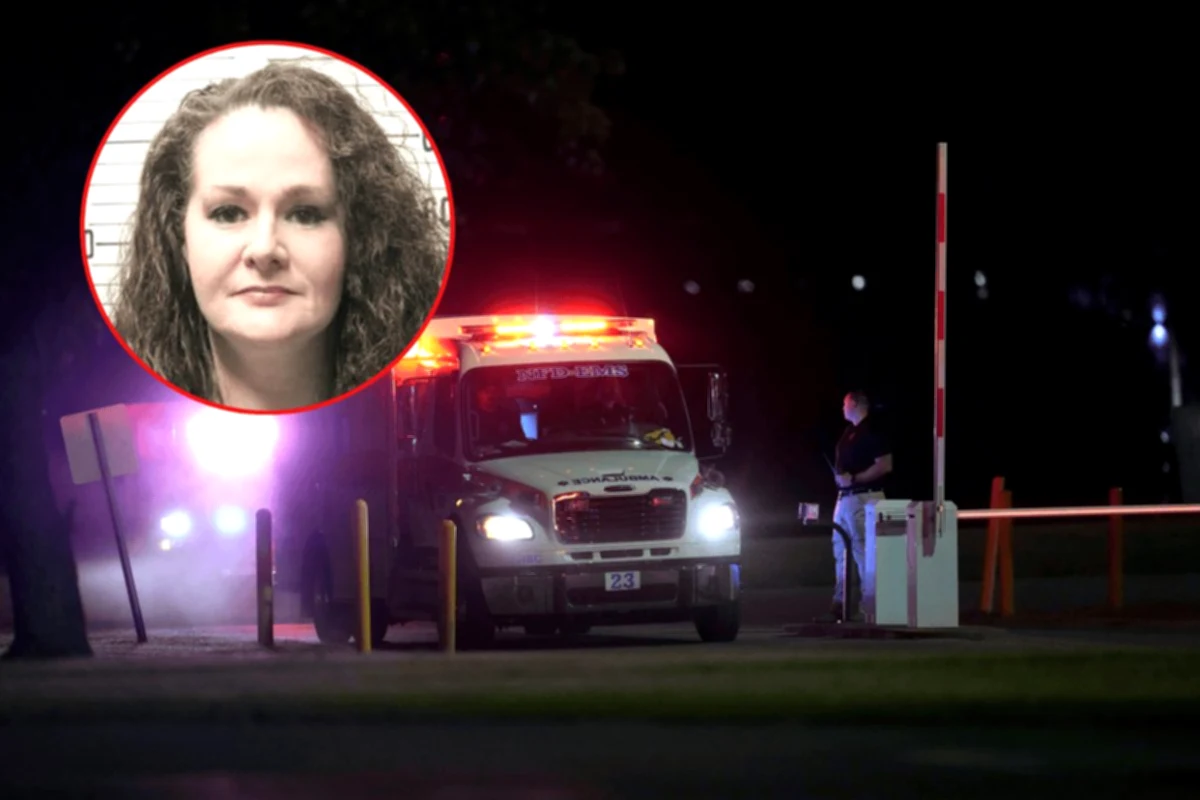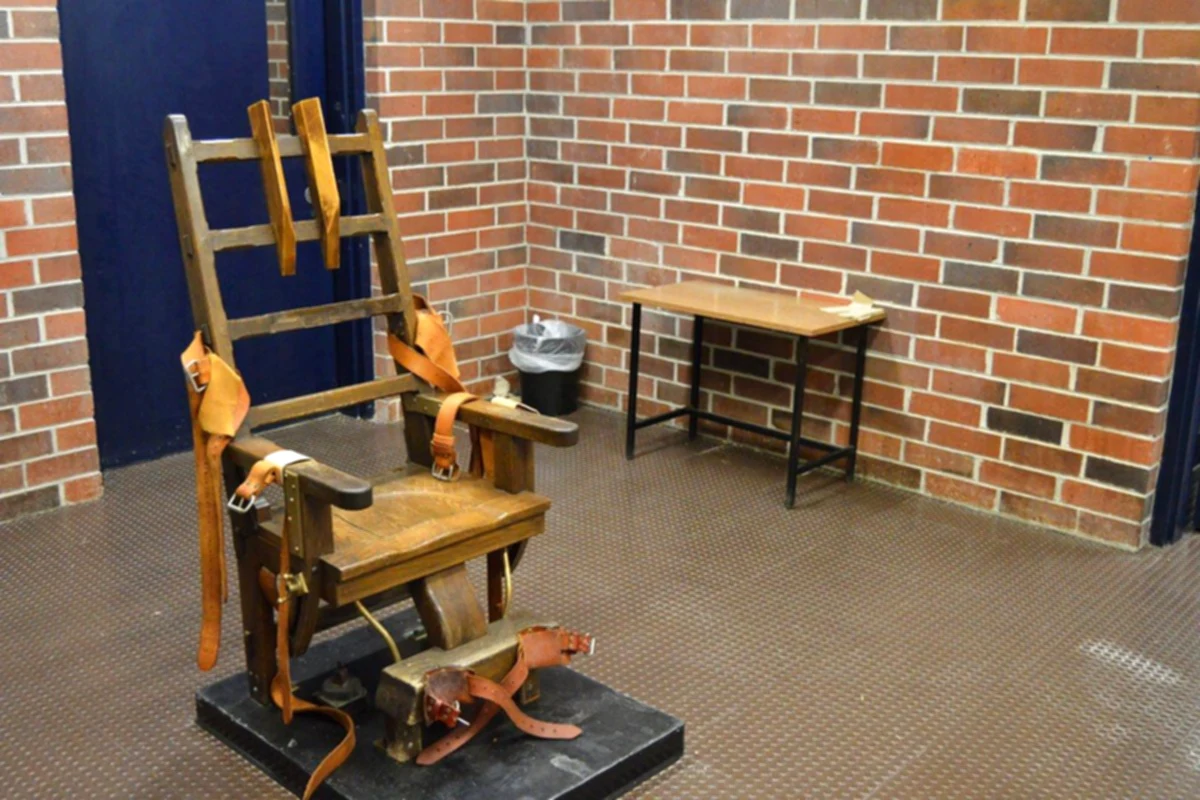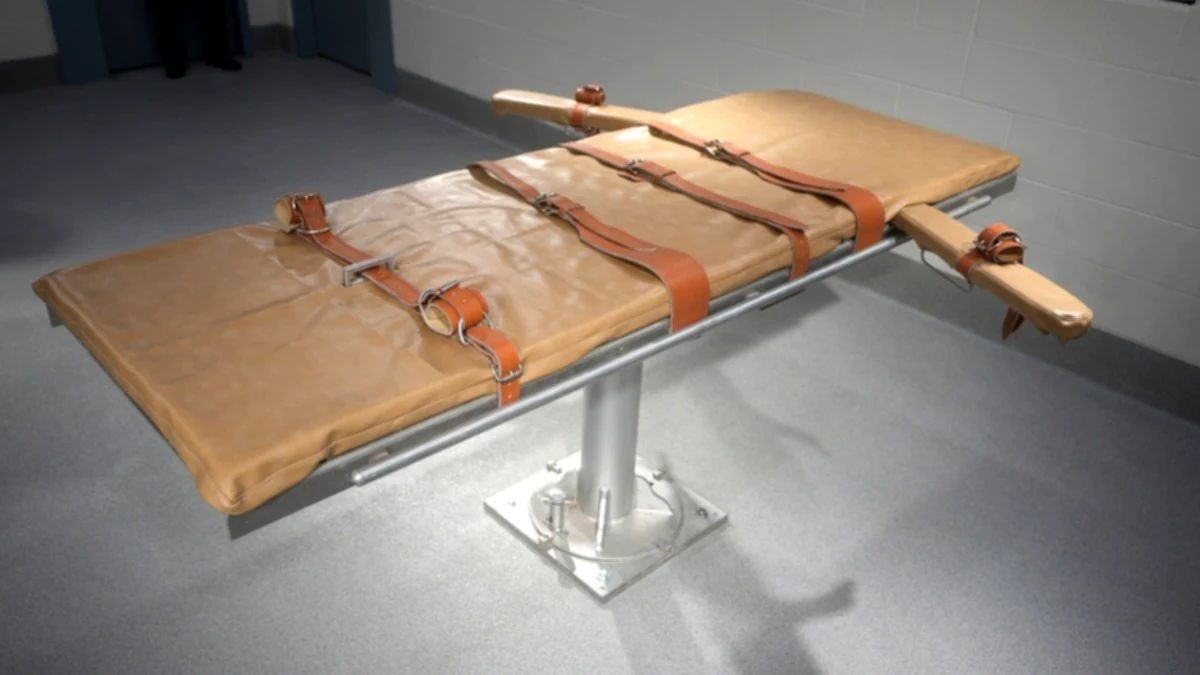

Christa Pike was scheduled to become the first woman executed in Tennessee in more than two centuries. However, the lethal injection procedure failed to cause her death and ended up with the woman being taken to a hospital.
Pike, 50, had remained in the death hall for three decades after being convicted of the 1995 murder of Colleen Slemmer. During the procedure, he was given two doses of pentobarbital, but he remained alive, so the authorities suspended the execution.
According to journalists who witnessed the procedure, Pike showed pain in the arm and subsequently began to emit sounds similar to snoring. After more than an hour, the witnesses were removed from the area and the woman was taken to a medical center.
His defense later that he was in critical condition and received medical attention. Lawyers also questioned the conditions in which the procedure was developed and pointed out that several needles would have been used to try to administer the drugs.
Tennessee suspends executions
The case led Tennessee Governor Bill Lee to order an independent review of what happened and to suspend scheduled executions in the state for the rest of 2026.
The prison authorities, for their part,ined that the staff followed the established protocol for the lethal injection.
Pike’s execution is not an isolated episode. Just a few months earlier, another Tennessee death sentenced, Tony Carruthers, also faced a procedure that had to be suspended. In May, the personnel in charge of its execution had difficulty establishing a second intravenous route and finally the procedure was cancelled.
List of Failed Procedures
The problems are not limited to Tennessee. According to data collected by the Death Penalty Information Center, since the U.S. resumed the executions in 1976 dozens of cases considered failed or with serious complications have been documented.
The lethal injection concentrates an important part of these episodes. As of May 2026, at least 64 failed or seriously problematic executions had been recorded since 1976, of which 51 had used lethal injection.
Among the most well-known cases are executions in which drugs did not produce the expected effect, prolonged procedures, difficulties in finding an intravenous pathway and medical problems during drug administration.
In Ohio, Dennis McGuire was executed in 2014 using a combination of drugs that had not previously been used in that state. The procedure was accompanied by prolonged physical reactions before his death.
That same year, in Oklahoma, Clayton Lockett presented movements and breathing difficulties during her execution, which was finally stopped after the procedure was prolonged.
Joe Nathan James Jr. in Alabama He remained for hours in the execution process in 2022 due to difficulties in establishing an intravenous pathway. That same year, Alan Miller's execution was suspended after officials failed to establish the necessary intravenous access.
The execution of Thomas Creech was cancelled after eight failed attempts, carried out for approximately an hour, to establish an intravenous route.
Also in 2022, Alabama failed to complete the execution by lethal injection of Kenneth Eugene Smith. Two years later, Smith was executed by nitrogen hypoxia, in a procedure that became the first of that kind in the United States.