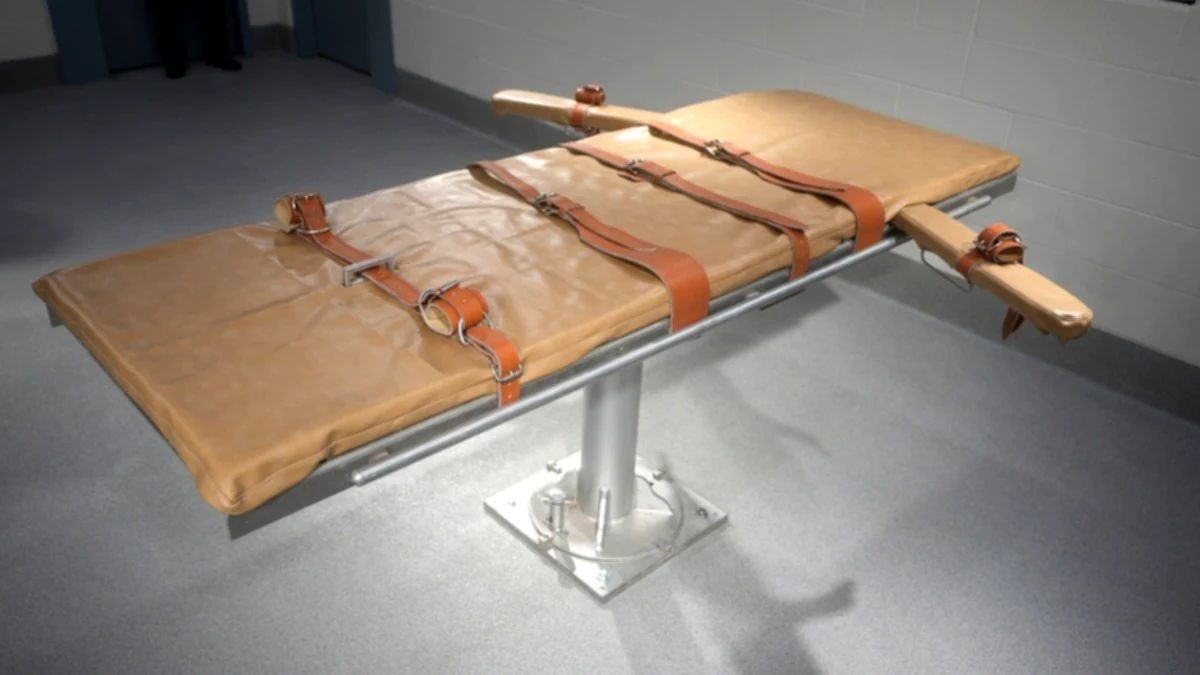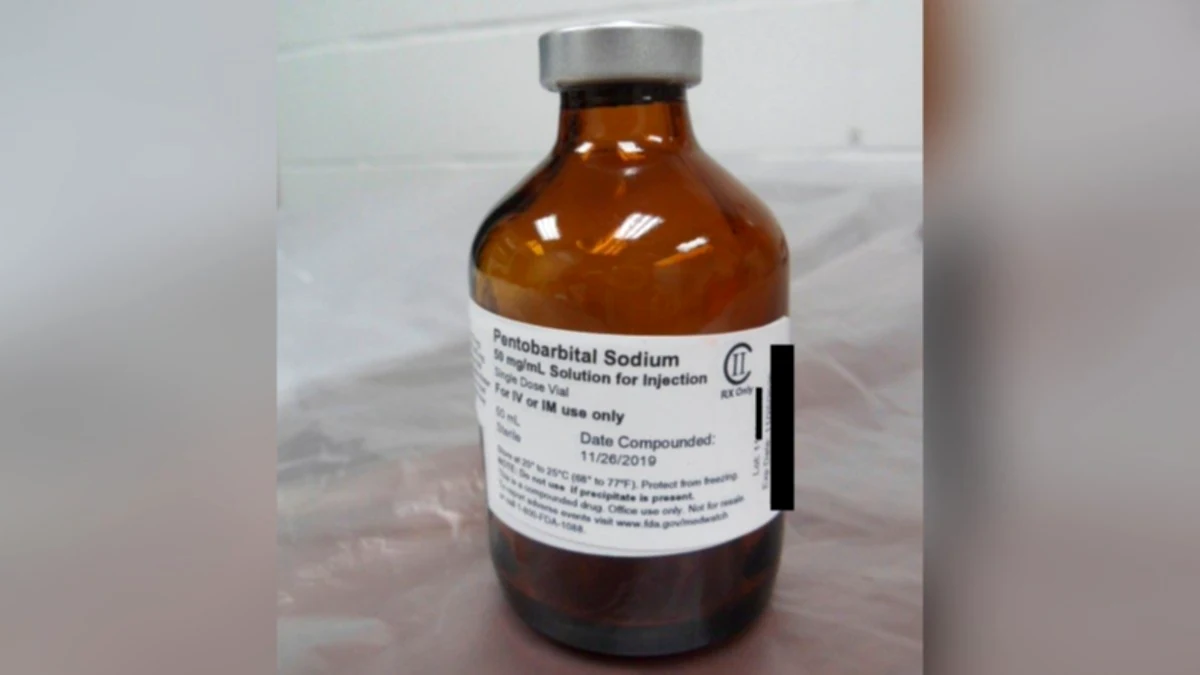

Pentobarbital, a drug belonging to the barbituric group, became the center of international attention after the failed attempt to execute Christa Pike in Tennessee, USA.
The convicted woman received two doses of the drug during the September 30 procedure, but survived and was later taken to a hospital.
Pike, 50, was sentenced to death for the 1995 murder of Colleen Slemmer. The state of Tennessee has since 2024 used a lethal injection protocol based on a single substance: pentobarbital.
What is pentobarbital?
Pentobarbital is a barbituric that acts as a depressor of the central nervous system. Its main mechanism is to boost the action of GABA, a neurotransmitter that reduces the activity of neurons. As a result, it can produce sedation, drowsiness and a deep decrease in the level of consciousness.
For decades, barbiturates had different medical applications, including the treatment of certain seizures and sedation.
However, its risks — such as respiratory depression, loss of consciousness and coma in high doses — made many of its applications replaced by drugs with a higher safety margin.
According to the specialist in Clinical Toxicology Miguel Tolosa, consulted by the magazine Semana, the response to pentobarbital can vary depending on the dose and the characteristics of each person. The effect can start with drowsiness and sedation and progress towards a deep loss of consciousness.
Why is it used in executions?
The depressing effect of pentobarbital on the central nervous system is precisely what has led some U.S. states to use it as a lethal injection method.
Tennessee uses a single substance protocol, instead of the combinations of several drugs historically used in other protocols.
The use of the drug in executions is also related to changes that have experienced U.S. protocols over the past decades, including limited availability of certain drugs and legal controversies related to the substances used.
Pike’s case has raised new questions about drug administration during executions and about the circumstances that can cause a lethal injection not to produce the expected outcome.
The situation has also had medical consequences for Pike. According to information disclosed by her lawyers on October 2, she remains in critical condition, unconscious and connected to a respirator. The defense also noted that she had injuries to her arms after the procedure.
The episode has also revived the public debate about the death penalty and the use of lethal injections in the United States. In the specific case of Tennessee, authorities will have to determine what happened during the procedure and whether there were failures in the administration of the drug.