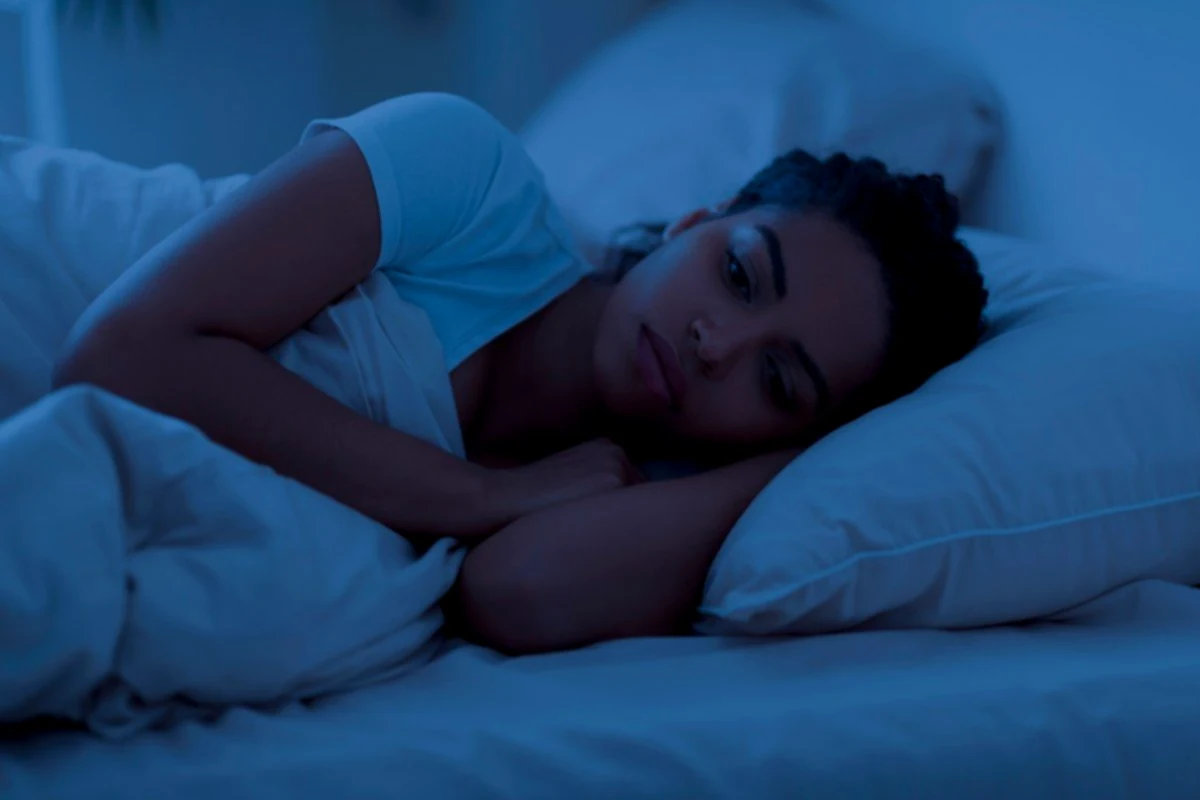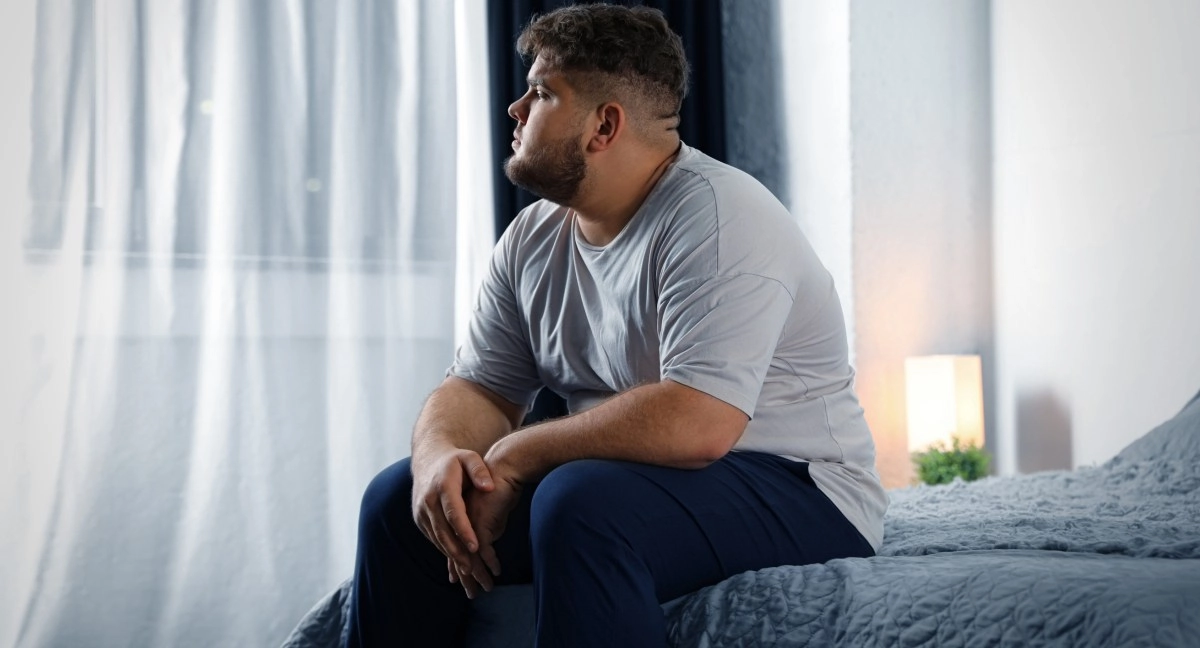

A study from Columbia University Irving Medical Center reveals that sleep deprivation can lead to weight gain. Adults who experienced a reduction of 90 minutes of daily sleep for six weeks recorded an increase of about half a kilo in their weight.
Participants in the study, published in the Annals of Medicine, showed average weight gain and a slight expansion in waist circumference, while their physical activity remained stable. However, no significant changes in fat or muscle mass were detected, suggesting that weight gain may not be directly related to diet.
Sleep deprivation in women
Dr. Somi Javaid, an Ohio-based OB-GYN and founder of HerMD who was not involved in the study, told Fox News that chronic sleep deprivation affects metabolism regulation, with menopausal women being a particularly vulnerable group. It highlights the need to address sleep issues at this stage of life while evaluating advice on diet and exercise.
“We're destroying women's sleep right at the stage of life when their metabolism is least able to absorb the shock, and then we're telling them to eat less and exercise more,” Javaid said.
The American Heart Association now considers sleep one of the “8 Essential Elements of Life.” Dr. Javaid emphasizes that sleep should be treated as a vital sign of health and not just a habit.
Relationship between sleep quality and mental health
The relationship is bidirectional: Poor sleep can increase anxiety and depression, and those mental health problems can also worsen sleep. Taken together, poor sleep quality is often associated with more irritability, difficulty concentrating, poorer emotional regulation, and increased risk of depressive or anxious symptoms.
How they connect
What is usually observed
Warning signs
In practice
If bad sleep lasts more than a few weeks or is accompanied by intense sadness, frequent anxiety, or loss of daily functioning, it is advisable to seek professional evaluation. A simple example: a person who sleeps 4–5 hours for several days may become more reactive and anxious the next day; If this is repeated, the sleep problem and the mood problem tend to reinforce each other.
You may also be interested in:
· Spending more time exposed to daylight can help you fall into deep sleep at night· What the sleep process is like, according to age· A nighttime pill for sleep apnea is coming: promising results in phase 3