
Attorney Ron Simon, with more than three decades of experience in food poisoning cases, reveals how his work has influenced his dietary choices. Of note, his firm represents hundreds of victims in the current cyclosporiasis outbreak.
"I've handled thousands of cases of food poisoning over three decades. If you read enough outbreak reports and statements, you start to eat differently," he said.
Simon identifies five foods that he avoids due to their high risk of bacterial contamination, and that in conversation with Newsweek he detailed the possible consequences.
The expert indicated that these foods are usually consumed raw or undercooked, thus eliminating the step that kills most of the bacteria and viruses responsible for diseases.
Raw milk and unpasteurized dairy products
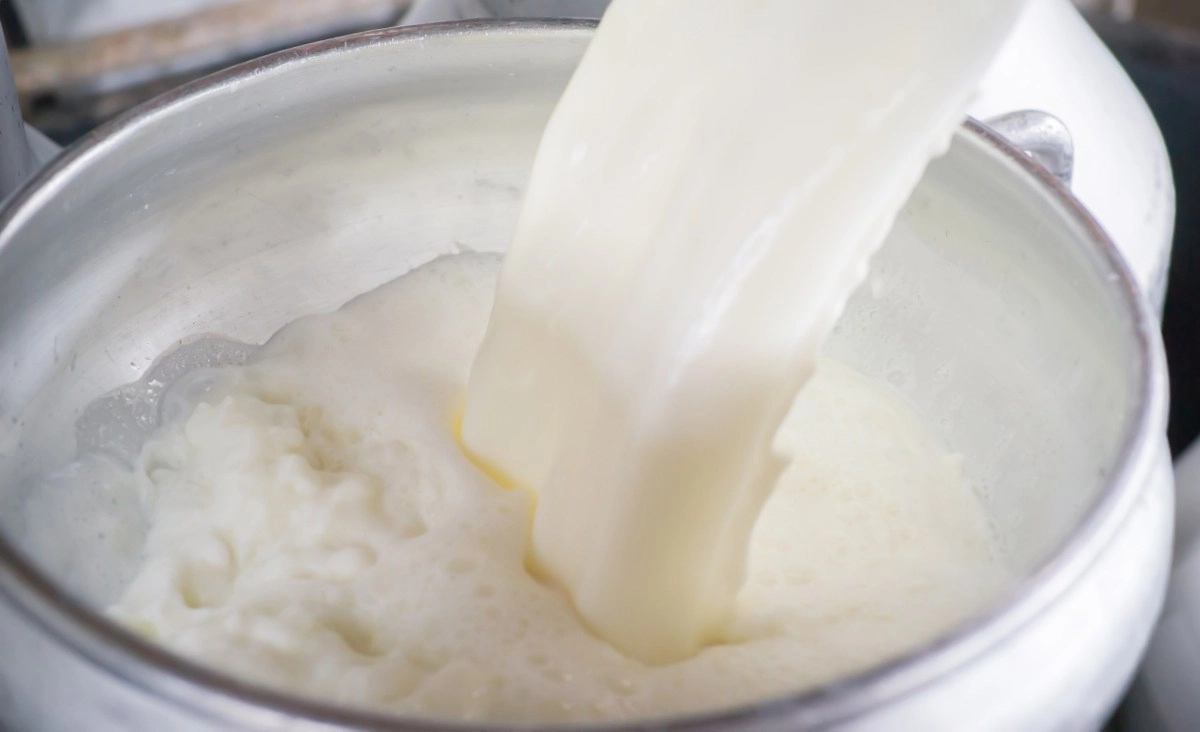
Raw milk, often considered more “natural,” poses a significant risk of pathogens. Simon emphasizes that the benefits of pasteurization outweigh the myths of untreated milk.
He explains that pasteurization briefly heats milk to kill pathogens without significantly altering its nutritional content. Eliminates E. coli O157:H7, Listeria, Campylobacter and Salmonella.
People who consume raw milk are much more likely to get sick than those who drink pasteurized milk, and children are particularly affected, he warns. Some infections can cause hemolytic uremic syndrome, a condition that can permanently damage the kidneys.
raw sprouts
Raw sprouts, which include varieties of alfalfa, beans and clover, although viewed as healthy, are prone to contamination due to the environment necessary for their growth. Cooked sprouts are safe, but Simon chooses not to include raw ones in his diet.
Their contamination is usually present in the seed itself, and the germination process, which involves several days in warm, humid water, creates ideal conditions for bacterial growth.
Improperly cooked burgers
Unlike whole cuts of meat, which can be safe if cooked properly, hamburgers require a certain internal temperature to eliminate the risk of E. coli.
This is explained because, when grinding the meat, the surface bacteria spread throughout the burger. If the center does not reach 71 degrees Celsius (160 degrees Fahrenheit), any E. coli bacteria present can survive, and it takes fewer than 100 E. coli O157:H7 organisms to cause illness, reports Newsweek.
It is worth noting that some commercially available hamburgers may contain meat from different animals, which increases the likelihood of contamination.
raw eggs
Raw eggs pose risks from Salmonella, which may be present within the egg itself.
Raw egg is present in foods such as cookie dough, homemade Caesar dressing for summer salads, aioli, and raw eggs added to ramen.
Pasteurized eggs, which are sold in cartons and can be used in any recipe that calls for raw eggs, eliminate the risk. Simon only uses pasteurized eggs to prevent poisoning.
raw oysters
Oysters, when filtered into the water, can concentrate dangerous pathogens, especially the Vibrio vulnificus bacteria, one of the most risky. Simon points out that water temperature has altered the safety of consuming these throughout the year, so the traditional recommendation of consuming oysters only during the months that contain the letter “R” is no longer valid.
Particularly in people with liver disease, diabetes, or a weakened immune system, the infection can spread quickly through the bloodstream.
Persistent threat of food poisoning
Simon's comments reflect broader concerns about food safety, as outbreaks linked to raw and undercooked products continue to be a public health problem in the US.
You may also be interested in:
· How dangerous is the new salmonella outbreak possibly caused by jalapenos? · Massive diarrhea outbreak is linked to consumption of lettuce and green leafy vegetables · Keys to the “explosive diarrhea” that keeps people in more than 30 US states in suspense.