Mexico wants to lower tensions with the United States after Trump's threat of military action
President Claudia Sheinbaum orders greater coordination between Mexico's Foreign Minister and U.S. Secretary of State Marco Rubio
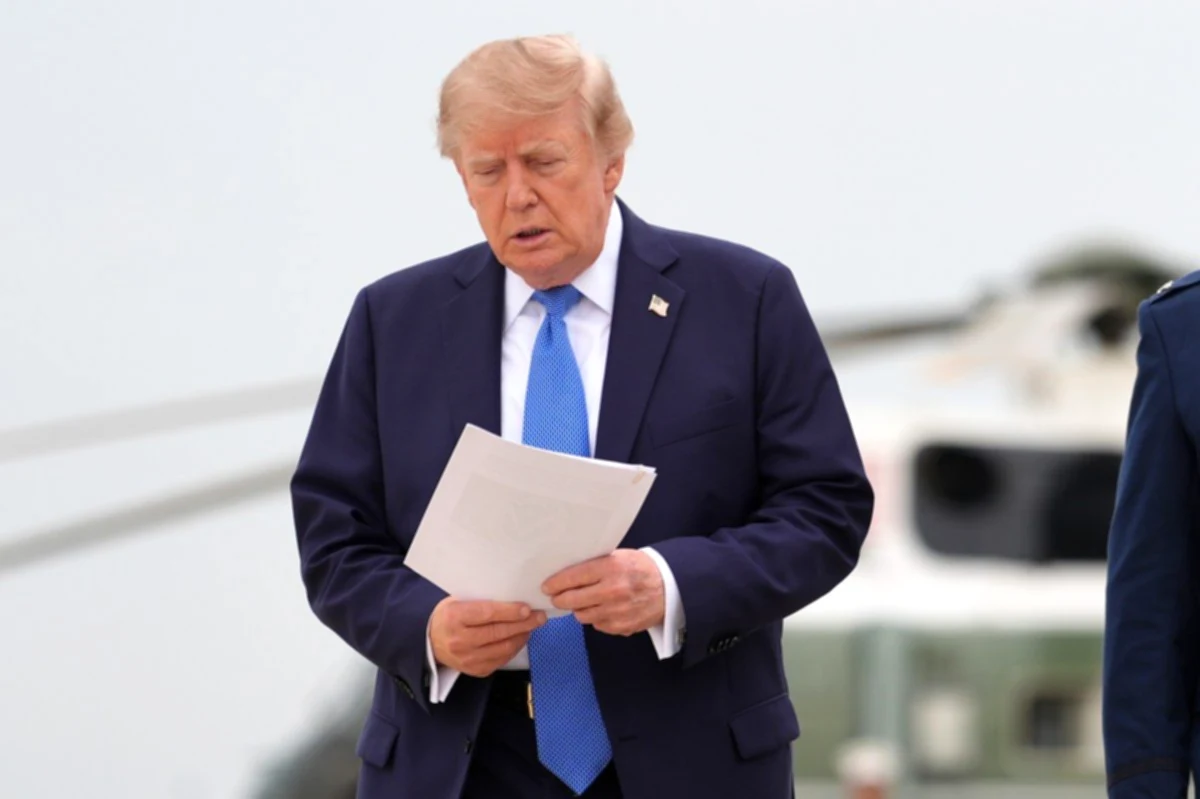
President Donald Trump said again in an interview that he is preparing ground military action against cartels and mentioned that Mexico “is governed by cartels.”
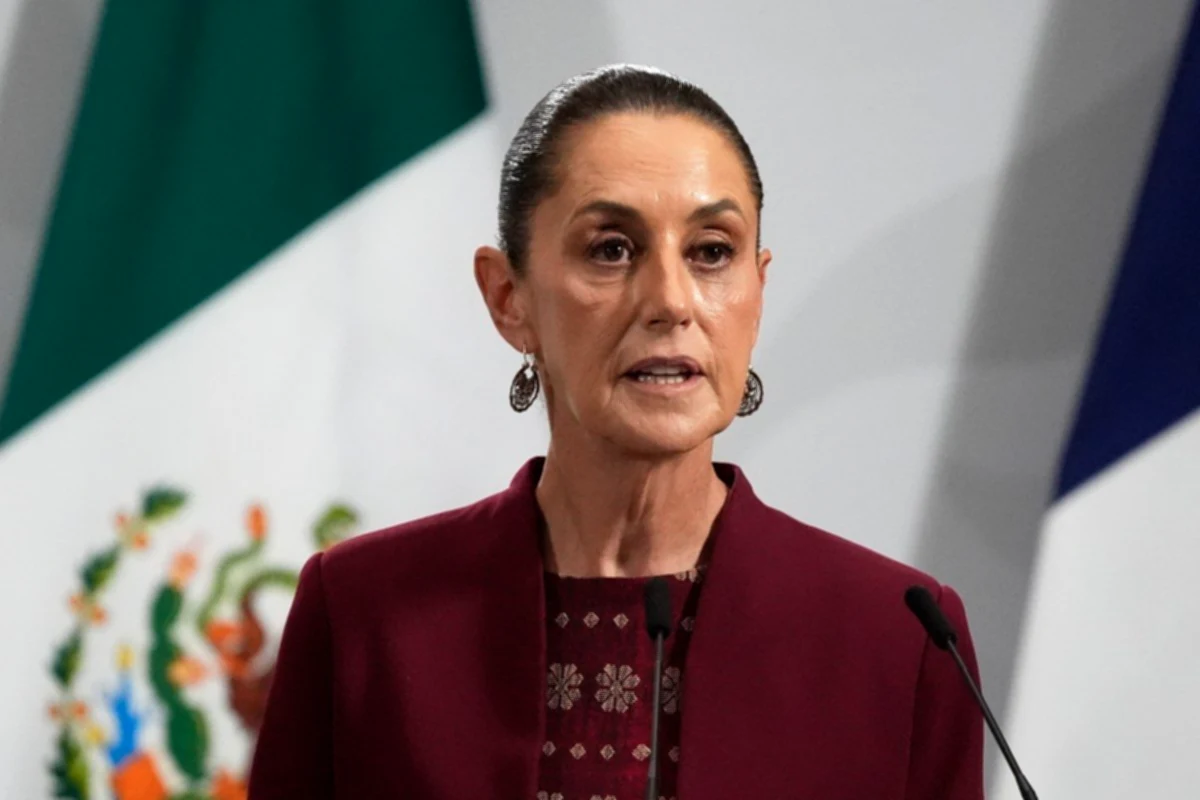
In response to the Republican president's intentions—expressed on Fox News—Mexico's President, Claudia Sheinbaum advocated for greater cooperation and said she instructed Foreign Minister Juan Ramon de la Fuente to seek a personal meeting with Secretary of State Marco Rubio. “We are going to strengthen communication, which is why I asked Secretary Juan Ramon de la Fuente to meet with the Secretary of State, if necessary,” Sheinbaum said at a press conference in Mexico. “Two or three days ago, Secretary Rubio himself spoke about the good security coordination we have with Mexico, which they have presented on several occasions. We have a joint working group, so to further strengthen the relationship, the information—this information we are providing, regarding the number of laboratories seized—and within the framework of what we have been working on, is to strengthen the relationship.” Since the military attack in Venezuela and the kidnapping of former President Nicolas Maduro, President Trump has threatened attacks on other countries, including Mexico, as well as Cuba and Colombia. In his first interview with Fox News after the military operation in Venezuela, the president responded that such an action sent a warning to other governments in the region, such as Mexico. Trump said that President Sheinbaum was “a good woman” and “a friend,” but asserted that “she doesn’t govern Mexico,” but rather the cartels do. “We could be politically correct and say that she governs, but that’s not the case. The cartels govern Mexico. She’s afraid of them,” Trump maintained. Sheinbaum’s immediate response was that she disagreed with the military action in Venezuela, but did not want a confrontation with the U.S. “We don’t want to fight with the United States; we demonstrate when we disagree,”“Just as they express their opinions when they disagree with us, but we always seek a good relationship based on respect,” he said.
Pressure from Congress
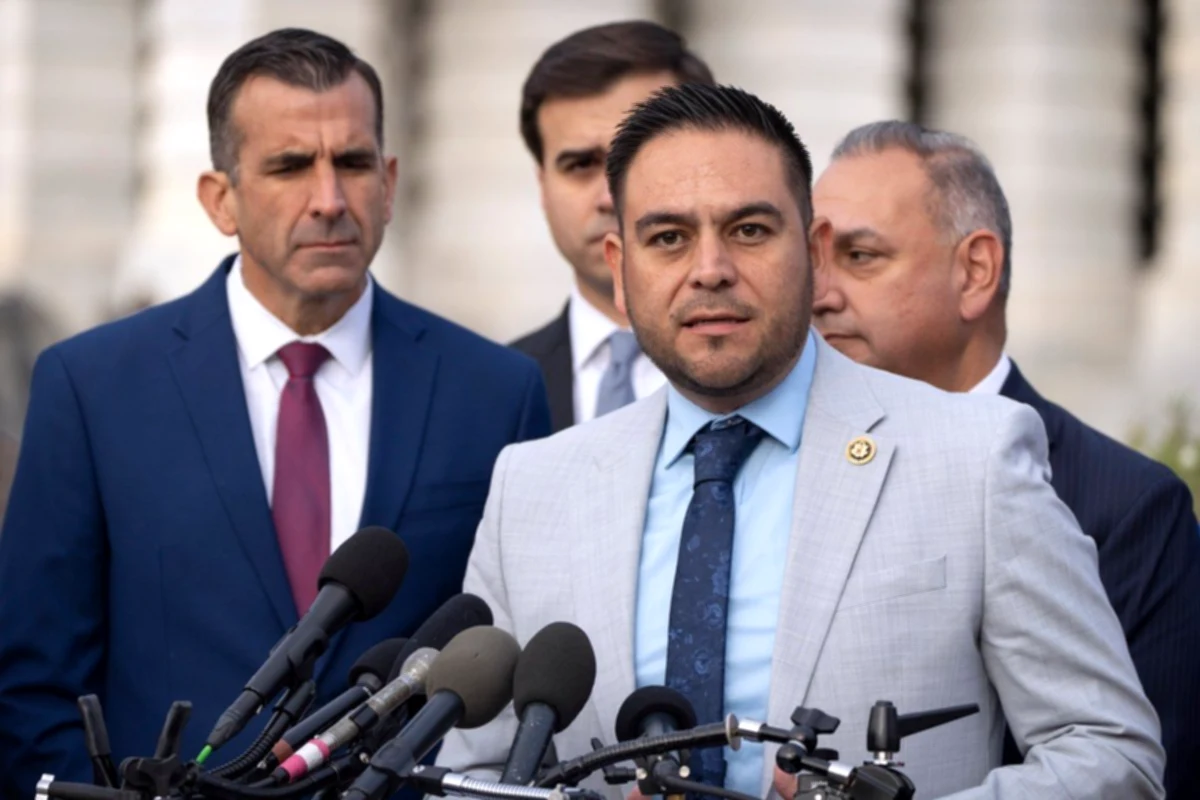
A group of 72 Democratic members of Congress, including Representative Greg Stanton, along with the ranking member of the House Foreign Affairs Committee, Gregory Meeks, and the ranking member of the Subcommittee on the Western Hemisphere, Joaquin Castro, sent a letter to Secretary Rubio strongly opposing unilateral military action in Mexico.
“Mexico is the United States’ largest trading partner and a crucial security partner, with whom we share long-standing family and border ties,” the letter states. “Under the presidency of Claudia Sheinbaum, Mexico has dramatically increased its cooperation with the United States. Any unilateral military action would violate Mexico's sovereignty and tarnish the new era of cooperation.”
They added a severe impact on trade relations, highlighting investments in Mexico.
“U.S. foreign direct investment in Mexico exceeded $14.5 billion last year,” they stated. “More than one million U.S. jobs are linked to cross-border trade, and more than five million U.S. jobs depend on trade with Mexico.”
Furthermore, security damages for the U.S. itself are warned of, including drug trafficking and arms trafficking.
The risks of a military attack
The Robert Lansing Institute, a Washington, D.C.-based international relations research center, established three scenarios in response to the president's threats.
Scenario one is a reaction from Mexico in defense of its sovereignty and a break in the bilateral relationship with the U.S., since President Sheinbaum has clearly indicated “coordination, but not subordination,” this could lead to a collapse in security cooperation, reduced intelligence sharing, retaliation through migration and trade pressure, and long-term anti-American mobilization in Mexico. Another risk, the report indicates, is retaliation by cartels on U.S. soil, including “attacks on U.S. personnel near the border,” “intimidation of U.S. consular targets,” “disruption of trade routes,” and “intensified use of weapons for migrant smuggling.” Furthermore, there are risks to the U.S. of constitutional repercussions and strained alliances with other nations in Latin America, as well as serious reputational damage in other regions, since it could “reduce U.S. operational bandwidth,” “create another scenario of open conflict,” and “divert attention from the priorities of Russia and China.”
Trump's Constant Threats
President Trump has been making threats of military action in Mexico since 2017. The first time his intentions became known was in January 2017, when, according to press reports, he raised the possibility of sending troops to fight "the bad guys" in a private call with then-President Enrique Pena Nieto.
After several years without direct mentions, the issue resurfaced in November 2019, following the LeBaron family massacre in Mexico. On social media, Trump stated that the United States was “ready, willing, and able” to intervene if Mexico requested assistance in “cleaning up these monsters,” referring to the cartels. During the 2023 and 2024 presidential campaigns, Trump hardened his rhetoric, with campaign proposals and official documents including calls to “declare war on the cartels,” with measures such as a naval embargo and the use of special forces against criminal leaders—actions that would involve operations linked to Mexico. In 2025, the threats continued in interviews. Trump confirmed that he had offered to send troops to Mexico and asserted that he would not need a formal declaration of war to launch operations against the cartels, even “on the ground.” In November of that year, when asked directly about ground attacks in Mexico, he responded: “I’m all for it, whatever it takes to stop the drugs.” So far in 2026, Trump has reiterated in interviews and question-and-answer sessions that he had offered troops “every time” he spoke with President Sheinbaum and stated that the United States would begin “hitting on the ground” against the cartels, reigniting the bilateral controversy.
In 2025, the threats continued in interviews. Trump confirmed that he had offered to send troops to Mexico and asserted that he would not need a formal declaration of war to launch operations against the cartels, even “on the ground.”
In November of that year, when asked directly about ground attacks in Mexico, he responded: “I’m all for it, whatever it takes to stop the drugs.”
So far in 2026, Trump has reiterated in interviews and question-and-answer sessions that he had offered troops “every time” he spoke with President Sheinbaum and stated that the United States would begin “hitting on the ground” against the cartels, reigniting the bilateral controversy.
This news has been tken from authentic news syndicates and agencies and only the wordings has been changed keeping the menaing intact. We have not done personal research yet and do not guarantee the complete genuinity and request you to verify from other sources too.