

Asus laptops will be more expensive starting in January: the AI ????boom drives up RAM and SSD prices
Asus announced plans to increase laptop prices starting in 2026, affecting both gamers and average users
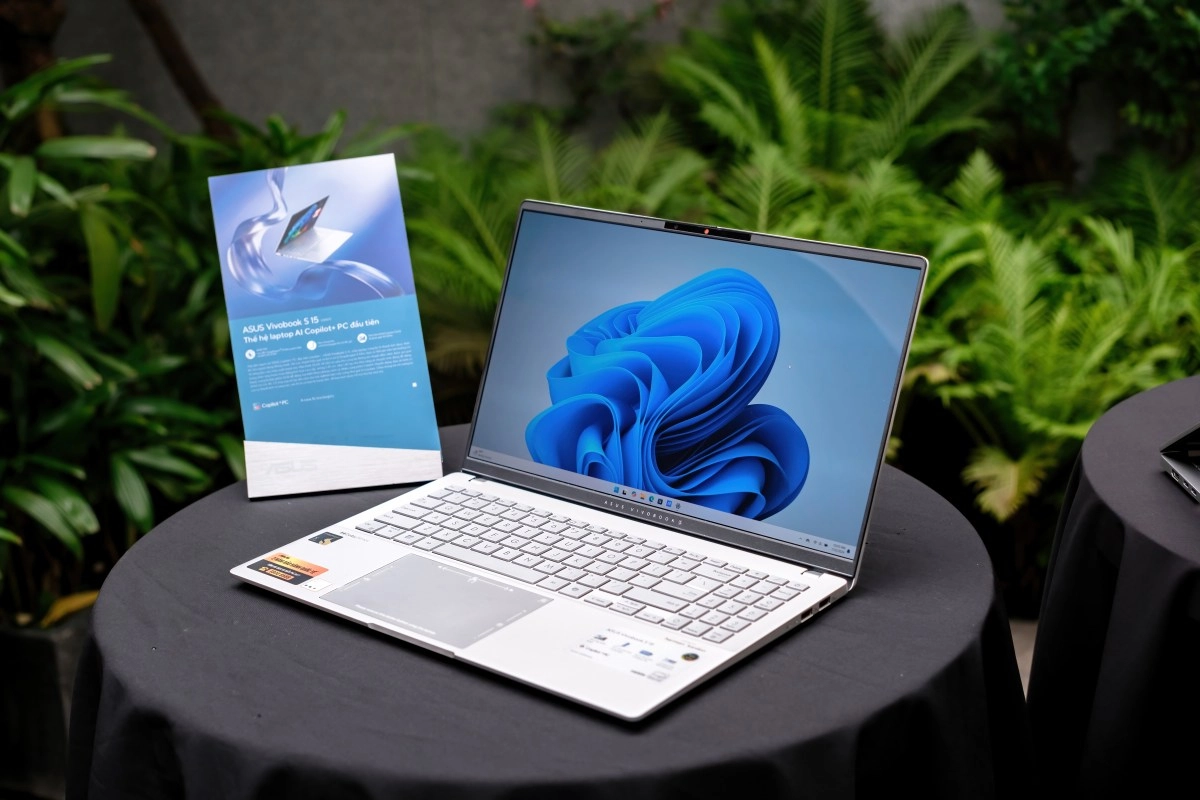

Asus is about to do something no one likes to read in a headline: raise the prices of many of its laptops and PCs, just when many people are thinking about upgrading their equipment for 2026. And yes, once again, artificial intelligence is being blamed, which not only Asus grabs headlines, but also RAM and storage drives.
This move matters because Asus is not a small player: it's one of the key laptop manufacturers for both gamers and average users, with catalogs ranging from the most powerful ROG models to thin ultrabooks for office, university, or remote work. When Asus moves on prices, the market listens.
Asus is preparing to charge more (and it's not a minor adjustment)
Asus announced that it will raise prices on several of its products starting January 5th, especially affecting laptops, desktop PCs, and probably some models geared towards gaming and advanced productivity. We're not talking about a symbolic tweak: the context surrounding this announcement points to significant increases, similar to those already suggested by other players in the PC sector. The message is clear: the increase is due to a sharp rise in the cost of key components, especially DRAM (RAM) and NAND memory used in SSDs, which have seen very aggressive price hikes in recent months. For a brand whose business depends on offering laptops with good memory and storage configurations, this translates almost directly into more expensive machines on the market. Interestingly, Asus isn't alone: ??experts had already been warning of a scenario where the PC market could contract by up to 9% in 2026 precisely because of the increase in memory costs. When component prices skyrocket, either the manufacturer eats into the profit margin or the user pays the difference; Asus, it seems, chose the latter. AI is devouring RAM and SSDs, and you're running the bill. Behind all this, there's a very clear protagonist: the brutal demand for artificial intelligence hardware. Large data centers and platforms that train and run AI models are buying enormous quantities of high-performance RAM and fast storage, disrupting the traditional market balance.Industry analysts point out that, in the last cycle, DRAM and NAND prices have steadily climbed, driven by massive contracts for servers and AI solutions, leaving less supply—and more expensive options—for the consumer segment. Manufacturers like Samsung, SK Hynix, and Micron are shifting their priorities to where the money is: data centers and advanced memory, not necessarily the laptop you take to class. For a brand like Asus, which competes strongly in the gaming arena with series like ROG and TUF, and in the mainstream range with Vivobook and Zenbook, this is a direct problem: its models with more RAM and larger SSD capacities, precisely what many users seek for smooth gaming, editing, or work, are the most exposed to these cost increases. Result: If you want a machine with "plenty" of memory in 2026, you're going to see it on your bill.
And it's not just a one-off spike. Industry projections indicate that the pressure on memory prices could extend throughout much of 2026, with a gradual normalization towards the second half of the year. In other words, don't expect this to be fixed in two months: AI isn't going to stop consuming hardware just because you want to buy a cheaper laptop.
How will you be affected by the Asus price increase?
The obvious question: how does this affect you if you were planning to buy an Asus in 2026? The short answer is that you'll probably find fewer deals and more prices "adjusted" to the new component landscape.
For gamers, the impact can be especially annoying.
For the average user who just wants a smooth laptop for work, study, and leisure, the effect is still noticeable, but in a different way:
What can you do as a consumer in this context?
In any case, the message this move by Asus leaves is quite direct: the AI ??era is not only redefining the software we use, it's also rewriting how much the hardware we use need costs. And in 2026, laptops from a brand as strong as Asus will be one of the most visible examples of this new reality.
This news has been tken from authentic news syndicates and agencies and only the wordings has been changed keeping the menaing intact. We have not done personal research yet and do not guarantee the complete genuinity and request you to verify from other sources too.