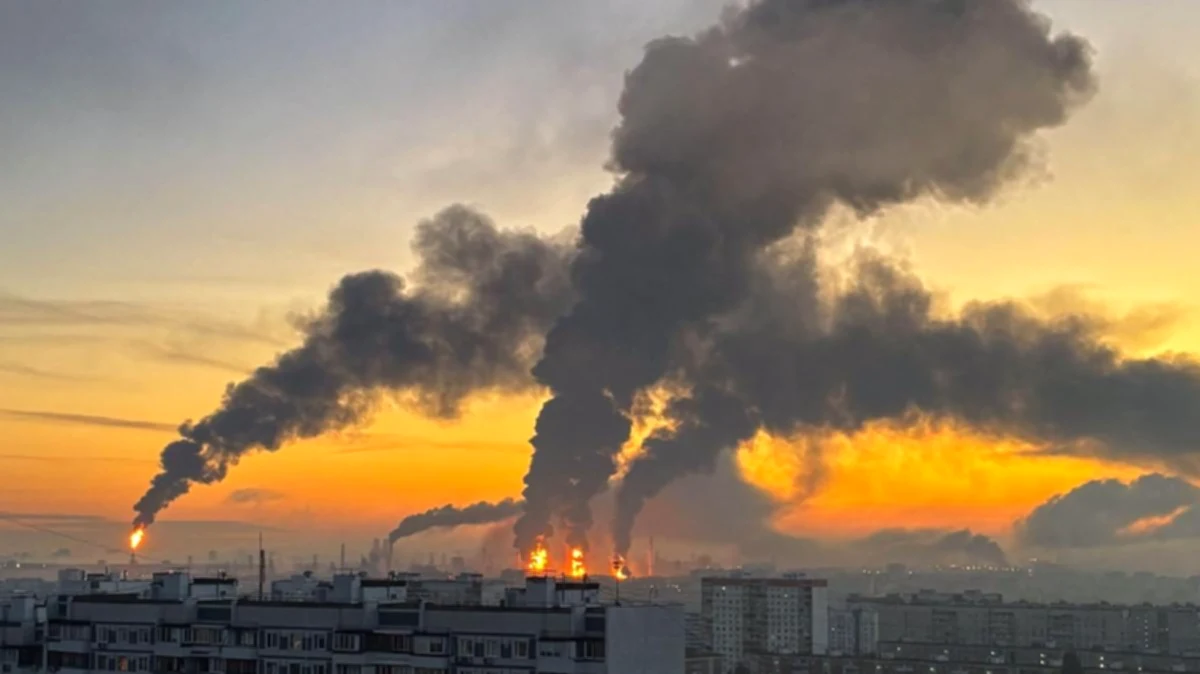

As you drive through Loudoun County, Virginia, one of the first things you notice is a hum: the background noise of 199 data centers.
Few people have heard of this unassuming area of ????Northern Virginia, which also happens to be the richest county in United States.
But Loudoun was in everyone's spotlight in October when a massive outage of Amazon's global cloud service put everything on hold, from crucial banking services to fun Snapchat sessions, for millions of people.
This is because the county is home to the largest number of data storage and processing facilities in the world, surpassing even China.
Data centers (spaces dedicated to the computer systems that power the internet and artificial intelligence) are essential to our global connectivity.
But while they have proven to be a lucrative business, bringing billions into the local economy, some residents worry that the cost is too high.
The “Data Center Alley”
In Loudoun, there are about 200 facilities occupying some 45 million square meters, which has given the county the nickname “Data Center Alley.”
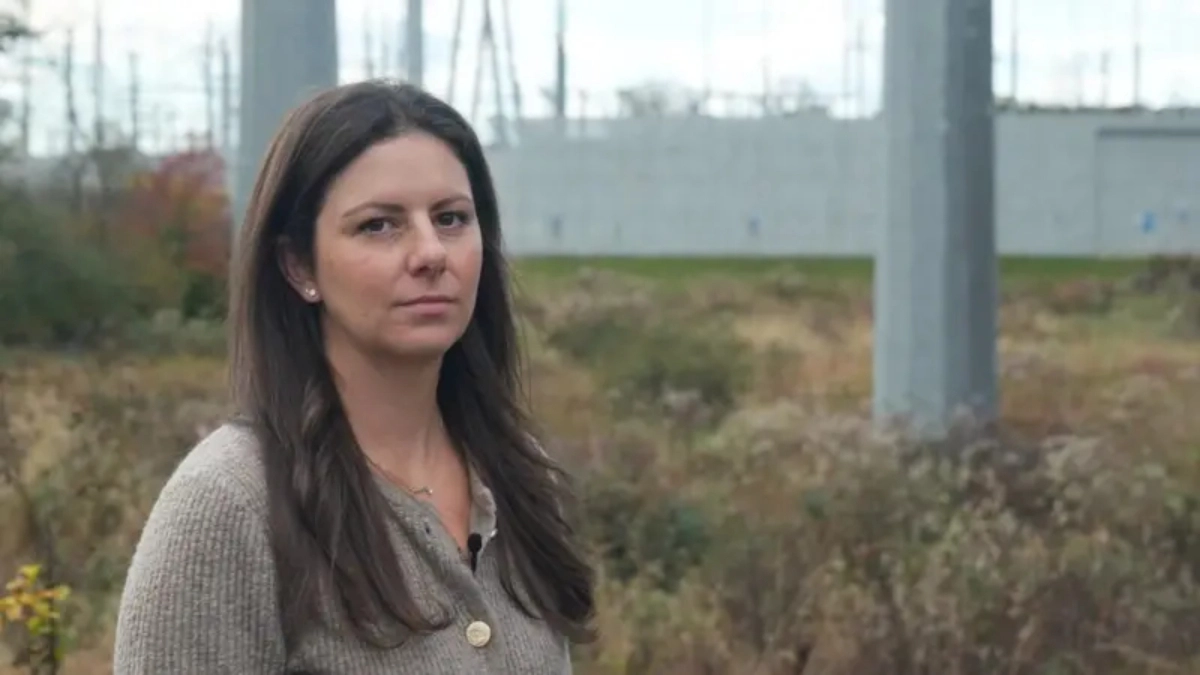
The data centers occupy 3% of the county's total land area and 40% of your budget. And now more facilities are being built. Emily Kasabian was strolling with her newborn son down a quaint street in her Virginia neighborhood earlier this year when she saw something that stopped her in her tracks. A sign announced the construction of a data center across the street. Two years ago, when Kasabian bought her home, she said she was relieved to be away from the data centers that have taken over other parts of the county. The lack of centers nearby was the reason many of her neighbors chose to live there, she said.
“I never thought they would build a data center across the street,” she said. “I wouldn't have bought this house if I had known what was going on across the street.”
The reason she, and so many others,opposing these large facilities is not only their imposing appearance (a typical data center can be 9,300 square meters, turning entire streets into large industrial blocks), but also some of their side effects.
A massive data center of concrete and gleaming blue glass sits just steps from Greg Pirio's front door in Loudoun County.
Thirteen years ago, when he bought his house, that lot was filled with green trees and birds.
Today, he deals with the center's impacts in real time; What bothers him most is the noise pollution.
“There are no birds around here anymore,” he said, noting that the hum rising from the center scares away much of the wildlife in his area.
Energy Dilemma
In addition to noise concerns, residents in the area expressed frustration with electricity bills.
Over the past five years, wholesale electricity costs have risen by up to 267% in areas near data centers, according to to investigation by Bloomberg News.
However, while most of the local residents the BBC spoke to opposed data centers, the industry has many influential supporters, including US President Donald Trump.
Data centers are essential to fueling the growth of the burgeoning AI industry, a field in which Trump has stated he wants the US to be a leader.
His administration has announced it will “accelerate the granting of federal permits for data center infrastructure” to usher in “a golden age.” for manufacturing and technology in the United States.”
Data center facilities can also have a major impact on local and state economies.
Annually, the data center industry creates about 74,000 jobs, representing a total of $5.5 billion in labor income for the Virginia economy, according to a state audit.
The Ideal Location
Promoters realized the area was the perfect location for data centers: it was full of flat, inexpensive land.
Local authorities soon followed suit and began giving the green light to corporations like Amazon and Google to start building their facilities.
And the area had an added advantage in its quest to create a headquarters for a burgeoning new industry: the right talent.
“Northern Virginia was really the epicenter of internet growth, [it was] where AOL was headquartered, so naturally they had the talent and staff they needed; it was just easier to build [the data centers] there,” said cybersecurity expert Thomas Hyslip.
Since the industry began to grow rapidly at the beginning of this century, regulations on data centers have been limited.
Virginia Governor Glenn Youngkin, a Republican, vetoed state legislation that would have regulated data centers earlier this year.
Dan Diori,vice president of state policy for the Data Center Coalition, an industry group, said the industry needs to improve communication of the benefits of these centers and listen to people's concerns. However, he doesn't think more regulation is necessary.
Data centers aren't going away, he said. They are and will continue to be the backbone of the 21st-century economy.
But some residents, like Barbara Day, say people shouldn't have to choose between the economy and quality of life.
“These data centers are being built faster than we imagined, and then we're scrambling to fix it,” she said.
Market reports show that, as of August 2025, there were more than 1,100 data centers across the United States, with nearly 400 new centers under construction.
Activists like Kasabian hope to reduce those numbers by lobbying state and local legislatures to delay or halt the projects.
“This is a beautiful and great place to live, but if this kind of development continues and they allow it to expand, they're eroding what makes it a great place to live, and we'll soon start to see the consequences unless we start to completely correct course,” she said.
This A mother of two knows she might not win this battle and that data centers could soon appear across the street from her idyllic suburban neighborhood, forcing her family to make the difficult decision to move.
“The question is, well, do we want to stay in the county? How do we know where to move next time so the same thing doesn't happen to us?”