Follow these steps and you'll maintain the health of your bones, no matter your age
Certain daily habits can make a substantial difference in the density and strength of our skeleton
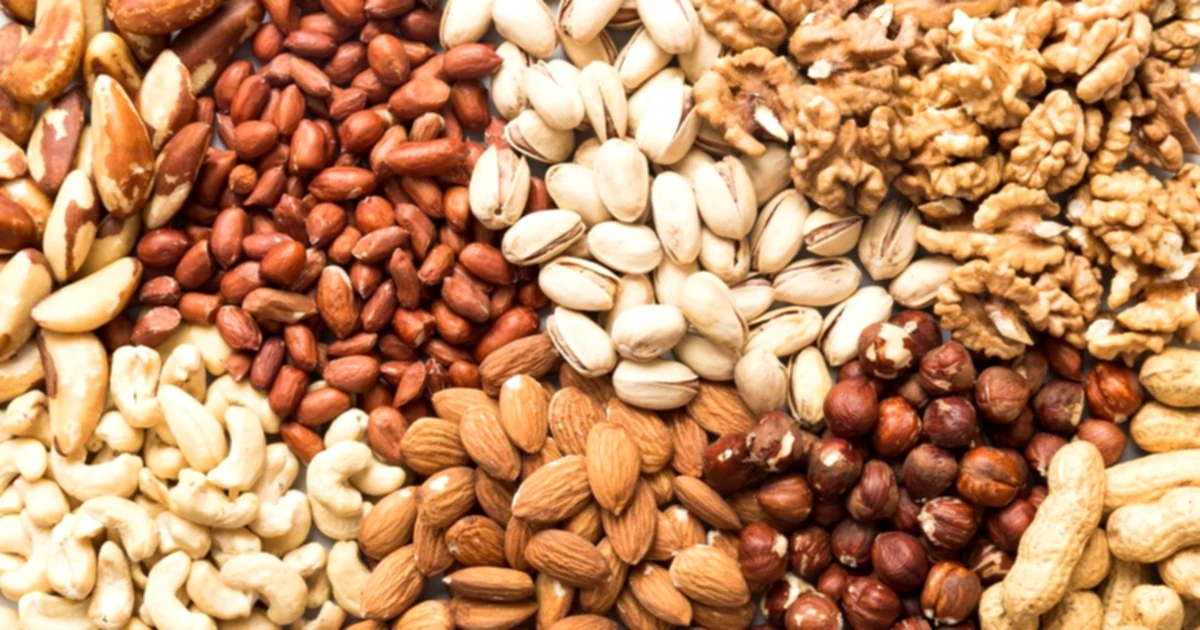
One of the most important columns of well-being, which frequently goes unnoticed until the first issues arise, is spine health. Although we frequently associate bone vulnerability with old era, the truth is that muscular care may start in childhood and continue to be a top priority throughout life. Osteoporosis and additional bone ailments are largely preventable with proper diet and lifestyle changes, no inevitable effects of aging. One in three women and one in five men over the age of 50 will experience an osteoporotic fracture, according to data from the World Health Organization ( WHO ), numbers that could be significantly reduced with effective preventive measures. The good news is that bone growth is never too soon or too early. Regardless of the stage of life, bone health experts agree that some everyday routines can significantly affect the mass and strength of our bone. Calcium and vitamin D are the two most prevalent minerals in our bones, accounting for 99 % of the total. People require between 1, 000 and 1, 200 milligrams of calcium per day, which are obtained from dairy products, darker green leafy vegetables, fish with nutritious legs like fish, beans, and fortified foods. Calcium is not sufficient, though. Vitamin D is a key factor in the intestine's magnesium intake. This vitamin can be obtained by getting a reasonable daily dose of sunlight ( 10 to 15 minutes ), as well as products like fatty fish, egg eggs, and reinforced products. Calcium: Calcium frequently receives the most attention, but protein is just as crucial for bone health because it accounts for roughly 50 % of bone level.
A sufficient protein consumption, from both animal and plant resources, promotes calcium absorption and helps to maintain bone mass. It is advised to eat one to one gram of protein per kilogram of body fat each day.
Acquire Adding a Supplement
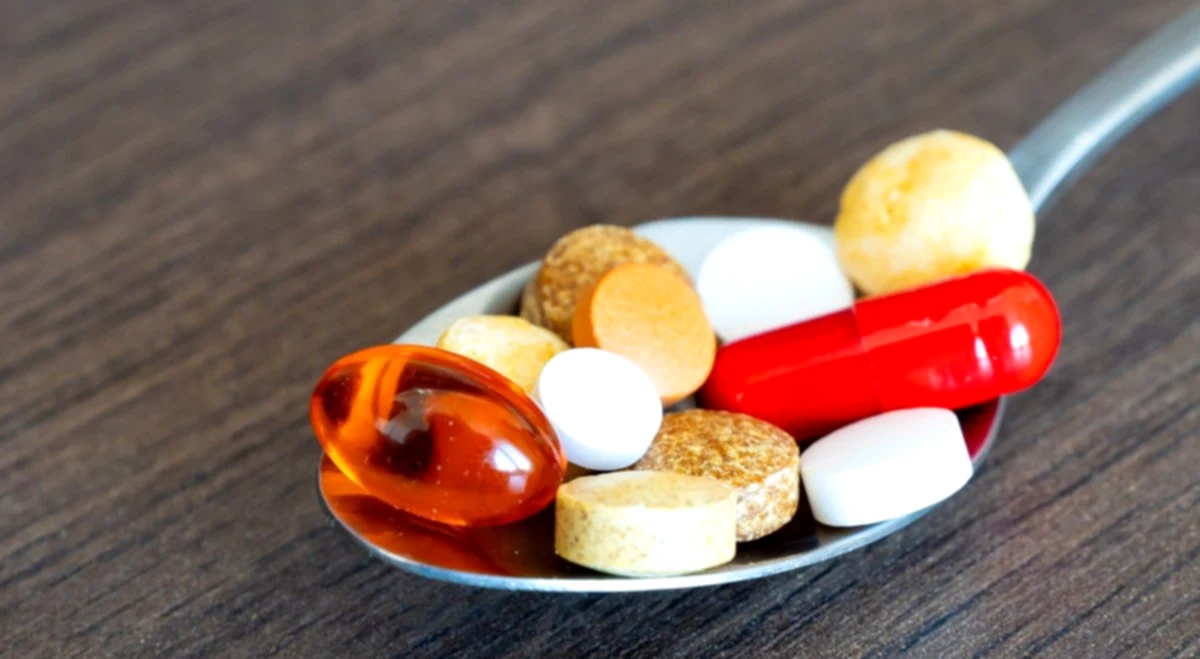
Treatment may be needed in circumstances where the nutrition does not provide adequate amounts of the essential nutrients or in people who are more susceptible to osteoporosis. However, as some nutrient overuse can also be dangerous, this should always be done under medical care.
Women who are older and older people are frequently candidates for potassium and vitamin D supplementation.
Weight-bearing and weight exercises
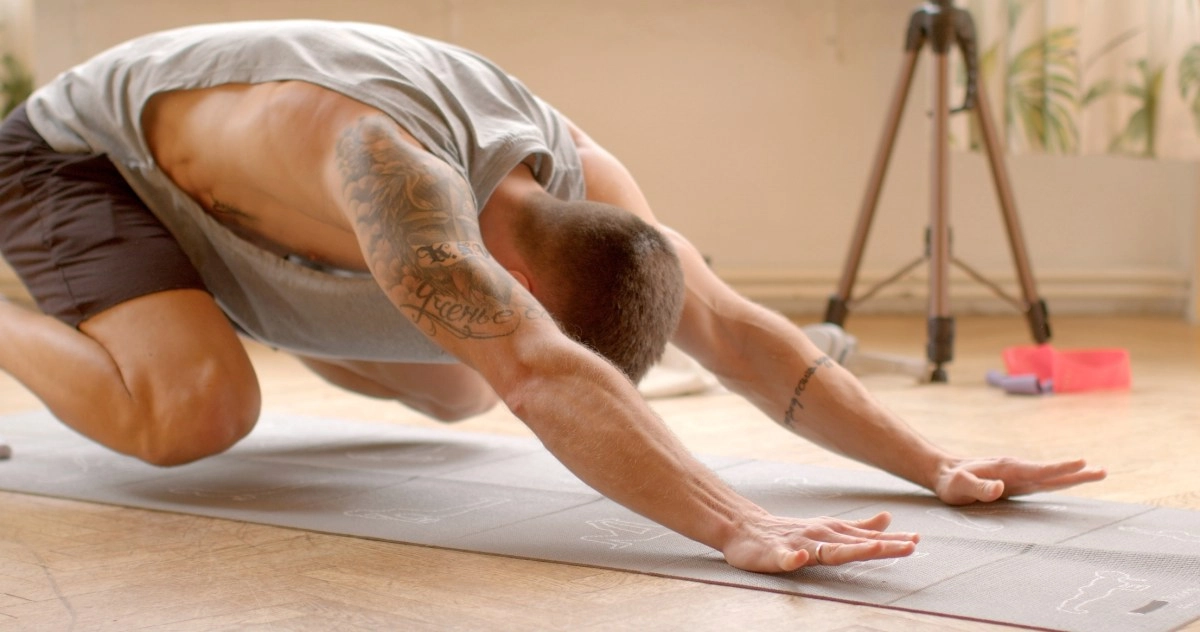
Bone, a living substance, strengthens itself as a result of physical strain. Managed influence and resistance exercises promote the development of novel bone tissue. Excellent choices are walking, running, dancing, climbing stairs, and playing golf. Additionally, weight training is especially helpful because bone pressure promotes strengthening. Four to five days a year, according to authorities, should include at least 30 minutes of weight-bearing bodily exercise. Avoid harmful behaviors. Bone health is ascribed to tobacco and excessive alcohol consumption. In addition to preventing potassium intake, tobacco inhibits the production of estrogen, a hormone that protects bones, especially in women. For its part, excessive alcohol affects the body's calcium balance and causes the production of hormones that manage bone metabolism. Trying to reduce alcohol consumption and totally stop smoking are both effective immediate and long-term effects. Your body weight is monitored. Both being overweight and obese pose health hazards. A very small body mass index, particularly for women, can cause hormonal imbalances that weaken the skull. Excess weight causes more strain on the joints and can lead to chronic disease that has a negative impact on bone tissue. Maintaining a good fat through a healthy diet and regular exercise is necessary. Certain health factors: Long-term use of corticosteroids, for instance, may have an impact on bone density. Skeletal health is also affected by health conditions like intestinal disease, inflammatory bowel disease, and hormonal problems. Standard medical exams are necessary. Particularly after the age of 50, when bone density scans are advised to check spine health and spot any early declines. The persistence of these behaviors over time is the key to keeping bones healthy. It's about incorporating these techniques into a green lifestyle rather than just making temporary, radical changes. Your freedom, democracy, and quality of life in the decades to come will depend on the bone you construct now. • A quick, easy eating that will decrease high cholesterol for weeks • Nutritional treasures in your pantry: quick, affordable meals that protect your health
Weight-bearing and weight exercises
Bone, a living substance, strengthens itself as a result of physical strain. Managed influence and resistance exercises promote the development of novel bone tissue. Excellent choices are walking, running, dancing, climbing stairs, and playing golf. Additionally, weight training is especially helpful because bone pressure promotes strengthening. Four to five days a year, according to authorities, should include at least 30 minutes of weight-bearing bodily exercise. Avoid harmful behaviors. Bone health is ascribed to tobacco and excessive alcohol consumption. In addition to preventing potassium intake, tobacco inhibits the production of estrogen, a hormone that protects bones, especially in women. For its part, excessive alcohol affects the body's calcium balance and causes the production of hormones that manage bone metabolism. Trying to reduce alcohol consumption and totally stop smoking are both effective immediate and long-term effects. Your body weight is monitored. Both being overweight and obese pose health hazards. A very small body mass index, particularly for women, can cause hormonal imbalances that weaken the skull. Excess weight causes more strain on the joints and can lead to chronic disease that has a negative impact on bone tissue. Maintaining a good fat through a healthy diet and regular exercise is necessary. Certain health factors: Long-term use of corticosteroids, for instance, may have an impact on bone density. Skeletal health is also affected by health conditions like intestinal disease, inflammatory bowel disease, and hormonal problems. Standard medical exams are necessary. Particularly after the age of 50, when bone density scans are advised to check spine health and spot any early declines. The persistence of these behaviors over time is the key to keeping bones healthy. It's about incorporating these techniques into a green lifestyle rather than just making temporary, radical changes. Your freedom, democracy, and quality of life in the decades to come will depend on the bone you construct now. • A quick, easy eating that will decrease high cholesterol for weeks • Nutritional treasures in your pantry: quick, affordable meals that protect your health
Weight-bearing and weight exercises
Bone, a living substance, strengthens itself as a result of physical strain. Managed influence and resistance exercises promote the development of novel bone tissue. Excellent choices are walking, running, dancing, climbing stairs, and playing golf. Additionally, weight training is especially helpful because bone pressure promotes strengthening. Four to five days a year, according to authorities, should include at least 30 minutes of weight-bearing bodily exercise. Avoid harmful behaviors. Bone health is ascribed to tobacco and excessive alcohol consumption. In addition to preventing potassium intake, tobacco inhibits the production of estrogen, a hormone that protects bones, especially in women. For its part, excessive alcohol affects the body's calcium balance and causes the production of hormones that manage bone metabolism. Trying to reduce alcohol consumption and totally stop smoking are both effective immediate and long-term effects. Your body weight is monitored. Both being overweight and obese pose health hazards. A very small body mass index, particularly for women, can cause hormonal imbalances that weaken the skull. Excess weight causes more strain on the joints and can lead to chronic disease that has a negative impact on bone tissue. Maintaining a good fat through a healthy diet and regular exercise is necessary. Certain health factors: Long-term use of corticosteroids, for instance, may have an impact on bone density. Skeletal health is also affected by health conditions like intestinal disease, inflammatory bowel disease, and hormonal problems. Standard medical exams are necessary. Particularly after the age of 50, when bone density scans are advised to check spine health and spot any early declines. The persistence of these behaviors over time is the key to keeping bones healthy. It's about incorporating these techniques into a green lifestyle rather than just making temporary, radical changes. Your freedom, democracy, and quality of life in the decades to come will depend on the bone you construct now. • A quick, easy eating that will decrease high cholesterol for weeks • Nutritional treasures in your pantry: quick, affordable meals that protect your healthTobacco interferes with calcium absorption and reduces the production of estrogen, a hormone that protects bones, especially in women. Excessive alcohol, for its part, alters the body's calcium balance and affects the production of hormones that regulate bone metabolism. Limiting alcohol consumption and completely eliminating cigarettes are measures that provide immediate and long-term benefits. Monitor your body weight. Both being underweight and obese pose risks to your bones. A very low body mass index, especially in women, can lead to hormonal imbalances that weaken the skeleton. Excess weight increases stress on the joints and can promote chronic inflammation that negatively affects bone tissue. Maintaining a healthy weight through a balanced diet and regular exercise is essential. Specific medical factors: Certain medications, such as corticosteroids used long-term, can affect bone density. Medical conditions such as hyperthyroidism, celiac disease, inflammatory bowel disease, and hormonal disorders also impact skeletal health. Regular medical checkups are essential. Especially after age 50, when a bone density scan is recommended to assess bone health and detect any deterioration early. The key to maintaining healthy bones lies in the consistency of these habits over time. It's not about temporary radical changes, but about incorporating these practices as part of a sustainable lifestyle. The skeleton you build today will determine your mobility, independence, and quality of life in the decades to come. You may also be interested in: • A simple and short diet that will lower high cholesterol for weeks • Nutritional treasures in your pantry: simple foods that take care of your health without emptying your walletTobacco interferes with calcium absorption and reduces the production of estrogen, a hormone that protects bones, especially in women. Excessive alcohol, for its part, alters the body's calcium balance and affects the production of hormones that regulate bone metabolism. Limiting alcohol consumption and completely eliminating cigarettes are measures that provide immediate and long-term benefits. Monitor your body weight. Both being underweight and obese pose risks to your bones. A very low body mass index, especially in women, can lead to hormonal imbalances that weaken the skeleton. Excess weight increases stress on the joints and can promote chronic inflammation that negatively affects bone tissue. Maintaining a healthy weight through a balanced diet and regular exercise is essential. Specific medical factors: Certain medications, such as corticosteroids used long-term, can affect bone density. Medical conditions such as hyperthyroidism, celiac disease, inflammatory bowel disease, and hormonal disorders also impact skeletal health. Regular medical checkups are essential. Especially after age 50, when a bone density scan is recommended to assess bone health and detect any deterioration early. The key to maintaining healthy bones lies in the consistency of these habits over time. It's not about temporary radical changes, but about incorporating these practices as part of a sustainable lifestyle. The skeleton you build today will determine your mobility, independence, and quality of life in the decades to come. You may also be interested in: • A simple and short diet that will lower high cholesterol for weeks • Nutritional treasures in your pantry: simple foods that take care of your health without emptying your walletThe key to maintaining healthy bones lies in the consistency of these habits over time. It's not about temporary radical changes, but about incorporating these practices as part of a sustainable lifestyle. The skeleton you build today will determine your mobility, independence, and quality of life in the decades to come.
This news has been tken from authentic news syndicates and agencies and only the wordings has been changed keeping the menaing intact. We have not done personal research yet and do not guarantee the complete genuinity and request you to verify from other sources too.