Sunrise:
Sunset:
°C
Follow Us

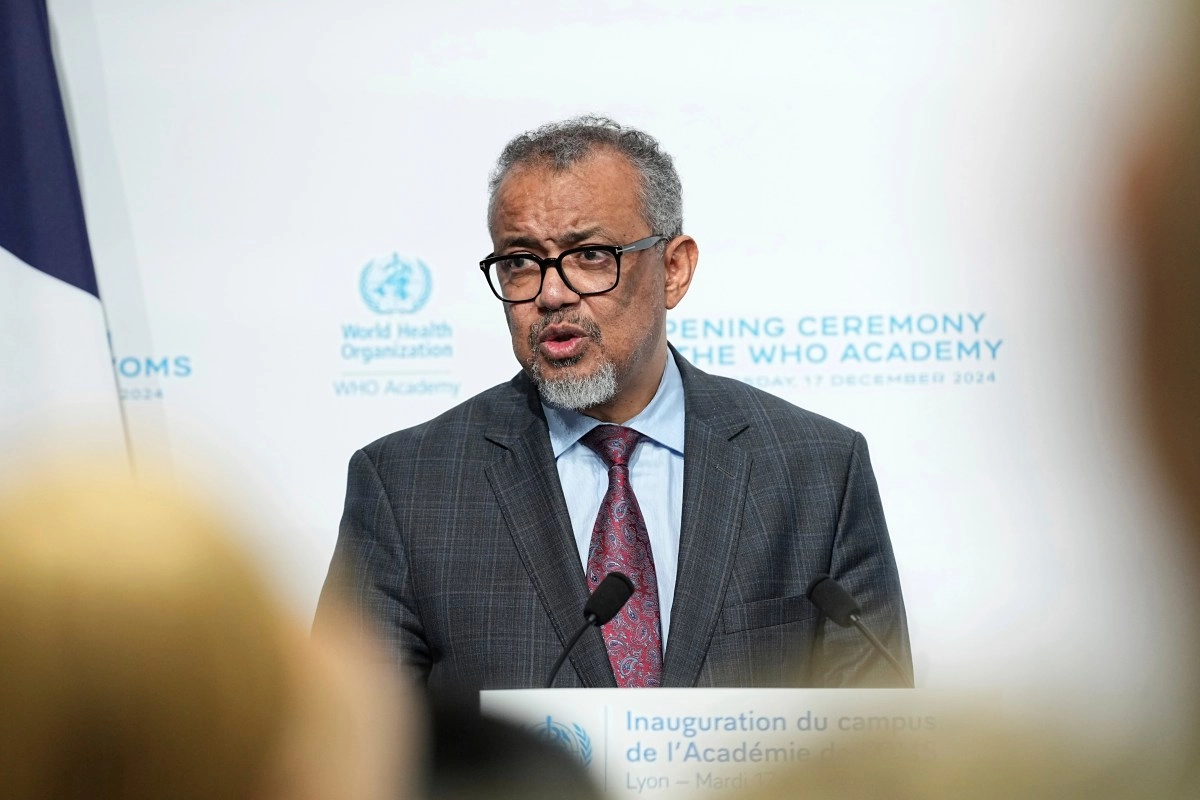
WHO reports health progress in 2025 and warns of cuts

The organization's 2025 assessment, as described by Director-General Tedros Adhanom Ghebreyesus, was marked by significant progress
WHO reports health progress in 2025 and warns of cuts
Time to Read 10 Min

The World Health Organization (WHO) presented its annual assessment and highlighted key achievements such as the Pandemic Agreement, while warning that reduced international aid threatens the global health response.

The WHO presented its 2025 assessment with a clear message: the world made significant progress in global health, but these achievements could be jeopardized by cuts in international aid.

The report was released by the organization's Director-General, Tedros Adhanom Ghebreyesus, in an institutional video message, in which he described the year as a period marked by significant progress and growing financial challenges.

According to the WHO, 2025 unfolded against a backdrop of increased humanitarian needs, protracted conflicts, and budget constraints that affected the sustainability of health programs, especially in countries with fragile health systems.

Even so, the organization asserted that it maintained its capacity to respond on multiple fronts, from emergencies to disease prevention and strengthening international cooperation.

A key agreement for future pandemics

The main milestone of the year was the adoption of the WHO Pandemic Agreement, approved during the 78th World Health Assembly. Tedros Adhanom highlighted this instrument as the most significant achievement of 2025, considering that it strengthens cooperation between countries and preparedness for future health emergencies. “2025 was a year of great achievements and challenges for global health and the WHO. The most important achievement was the adoption of the Pandemic Agreement,” stated the Director-General. The treaty seeks to improve equitable access to vaccines, medicines, and diagnostics, as well as strengthen mechanisms for the exchange of health information among member states. According to the WHO, this agreement lays the foundation for a faster and more coordinated response to new threats, avoiding the inequalities that marked recent health crises.

Emergencies, Vaccination, and Disease Elimination

During 2025, WHO responded to 48 health emergencies in 79 countries and territories, including conflict zones such as Gaza, Sudan, Syria, and Ukraine. Actions included support for overwhelmed health systems, emergency medical care, and coordination with international humanitarian actors, with an emphasis on protecting vulnerable populations.

In parallel, the organization validated 13 countries for disease elimination. Brazil was recognized for eliminating mother-to-child transmission of HIV, while Georgia, Suriname, and Timor-Leste were certified as malaria-free. In addition, seven African countries introduced the malaria vaccine, benefiting more than ten million children each year.

Vaccination continued to be a central pillar.

The WHO reported that 86 million girls have now been vaccinated against the human papillomavirus (HPV), and that programs against meningitis, polio, and rotavirus have been expanded. The World Health Statistics 2025 report also showed progress in health coverage: 1.4 billion people are living healthier lives thanks to improvements in tobacco, air, water, and sanitation, and declines were recorded in HIV and tuberculosis. However, Tedros Adhanom warned that funding cuts threaten to reverse decades of progress, impacting even indicators such as child mortality. “Cuts in international aid put what we have achieved at risk,” she noted, stressing that the world still needs a strong WHO to coordinate global health in the face of emerging threats.

A Universal Human Right

Before the year ended, the WHO reinforced its focus on traditional medicine in 2025 with the adoption of the Global Strategy for Traditional Medicine 2025–2034, which seeks to integrate these practices into health systems based on scientific evidence, safety, and quality. The Second World Forum on Traditional Medicine, co-organized with India, promoted more sustainable and inclusive health solutions.

However, the year was also marked by difficulties. Cuts in international aid threatened to reverse decades of progress and forced the WHO to reduce its staff. Despite this, Tedros stressed that the Organization remains committed to its founding mission: to guarantee the highest possible level of health, not as a privilege, but as a universal human right.The actions included support for overwhelmed health systems, emergency medical care, and coordination with international humanitarian actors, with an emphasis on protecting vulnerable populations. In parallel, the organization validated 13 countries for disease elimination. Brazil was recognized for eliminating mother-to-child transmission of HIV, while Georgia, Suriname, and Timor-Leste were certified as malaria-free. In addition, seven African countries introduced the malaria vaccine, benefiting more than ten million children each year. Vaccination continued to be a central pillar. The WHO reported that 86 million girls have now been vaccinated against the human papillomavirus (HPV), and that programs against meningitis, polio, and rotavirus have been expanded. The World Health Statistics 2025 report also showed progress in health coverage: 1.4 billion people are living healthier lives thanks to improvements in tobacco, air, water, and sanitation, and declines were recorded in HIV and tuberculosis. However, Tedros Adhanom warned that funding cuts threaten to reverse decades of progress, impacting even indicators such as child mortality. “Cuts in international aid put what we have achieved at risk,” she noted, stressing that the world still needs a strong WHO to coordinate global health in the face of emerging threats.

A Universal Human Right

Before the year ended, the WHO reinforced its focus on traditional medicine in 2025 with the adoption of the Global Strategy for Traditional Medicine 2025–2034, which seeks to integrate these practices into health systems based on scientific evidence, safety, and quality. The Second World Forum on Traditional Medicine, co-organized with India, promoted more sustainable and inclusive health solutions.

However, the year was also marked by difficulties. Cuts in international aid threatened to reverse decades of progress and forced the WHO to reduce its staff. Despite this, Tedros stressed that the Organization remains committed to its founding mission: to guarantee the highest possible level of health, not as a privilege, but as a universal human right.The actions included support for overwhelmed health systems, emergency medical care, and coordination with international humanitarian actors, with an emphasis on protecting vulnerable populations. In parallel, the organization validated 13 countries for disease elimination. Brazil was recognized for eliminating mother-to-child transmission of HIV, while Georgia, Suriname, and Timor-Leste were certified as malaria-free. In addition, seven African countries introduced the malaria vaccine, benefiting more than ten million children each year. Vaccination continued to be a central pillar. The WHO reported that 86 million girls have now been vaccinated against the human papillomavirus (HPV), and that programs against meningitis, polio, and rotavirus have been expanded. The World Health Statistics 2025 report also showed progress in health coverage: 1.4 billion people are living healthier lives thanks to improvements in tobacco, air, water, and sanitation, and declines were recorded in HIV and tuberculosis. However, Tedros Adhanom warned that funding cuts threaten to reverse decades of progress, impacting even indicators such as child mortality. “Cuts in international aid put what we have achieved at risk,” she noted, stressing that the world still needs a strong WHO to coordinate global health in the face of emerging threats.

A Universal Human Right

Before the year ended, the WHO reinforced its focus on traditional medicine in 2025 with the adoption of the Global Strategy for Traditional Medicine 2025–2034, which seeks to integrate these practices into health systems based on scientific evidence, safety, and quality. The Second World Forum on Traditional Medicine, co-organized with India, promoted more sustainable and inclusive health solutions.

However, the year was also marked by difficulties. Cuts in international aid threatened to reverse decades of progress and forced the WHO to reduce its staff. Despite this, Tedros stressed that the Organization remains committed to its founding mission: to guarantee the highest possible level of health, not as a privilege, but as a universal human right.benefiting more than ten million children each year.

Vaccination continued to be a central pillar. The WHO reported that 86 million girls have now been vaccinated against the human papillomavirus (HPV), and that programs against meningitis, polio, and rotavirus were expanded.

The World Health Statistics 2025 report also showed progress in health coverage: 1.4 billion people are living healthier lives thanks to improvements in tobacco, air, water, and sanitation, and declines were recorded in HIV and tuberculosis.

However, Tedros Adhanom warned that funding cuts threaten to reverse decades of progress, impacting even indicators such as child mortality. “Cuts in international aid put what we have achieved at risk,” she noted, stressing that the world still needs a strong WHO to coordinate global health in the face of emerging threats.

A Universal Human Right

Before the year ended, the WHO reinforced its focus on traditional medicine in 2025 with the adoption of the Global Strategy for Traditional Medicine 2025–2034, which seeks to integrate these practices into health systems based on scientific evidence, safety, and quality. The Second World Forum on Traditional Medicine, co-organized with India, promoted more sustainable and inclusive health solutions.

However, the year was also marked by difficulties. Cuts in international aid threatened to reverse decades of progress and forced the WHO to reduce its staff. Despite this, Tedros stressed that the Organization remains committed to its founding mission: to guarantee the highest possible level of health, not as a privilege, but as a universal human right.benefiting more than ten million children each year.

Vaccination continued to be a central pillar. The WHO reported that 86 million girls have now been vaccinated against the human papillomavirus (HPV), and that programs against meningitis, polio, and rotavirus were expanded.

The World Health Statistics 2025 report also showed progress in health coverage: 1.4 billion people are living healthier lives thanks to improvements in tobacco, air, water, and sanitation, and declines were recorded in HIV and tuberculosis.

However, Tedros Adhanom warned that funding cuts threaten to reverse decades of progress, impacting even indicators such as child mortality. “Cuts in international aid put what we have achieved at risk,” she noted, stressing that the world still needs a strong WHO to coordinate global health in the face of emerging threats.

A Universal Human Right

Before the year ended, the WHO reinforced its focus on traditional medicine in 2025 with the adoption of the Global Strategy for Traditional Medicine 2025–2034, which seeks to integrate these practices into health systems based on scientific evidence, safety, and quality. The Second World Forum on Traditional Medicine, co-organized with India, promoted more sustainable and inclusive health solutions.

However, the year was also marked by difficulties. Cuts in international aid threatened to reverse decades of progress and forced the WHO to reduce its staff. Despite this, Tedros stressed that the Organization remains committed to its founding mission: to guarantee the highest possible level of health, not as a privilege, but as a universal human right.In 2025, the WHO reinforced its focus on traditional medicine with the adoption of the Global Strategy for Traditional Medicine 2025–2034, which seeks to integrate these practices into health systems based on scientific evidence, safety, and quality. The Second World Forum on Traditional Medicine, organized jointly with India, promoted more sustainable and inclusive health solutions. However, the year was also marked by difficulties. Cuts in international aid threatened to reverse decades of progress and forced the WHO to reduce its staff. Despite this, Tedros stressed that the Organization remains committed to its founding mission: to ensure the highest attainable standard of health, not as a privilege, but as a universal human right.In 2025, the WHO reinforced its focus on traditional medicine with the adoption of the Global Strategy for Traditional Medicine 2025–2034, which seeks to integrate these practices into health systems based on scientific evidence, safety, and quality. The Second World Forum on Traditional Medicine, organized jointly with India, promoted more sustainable and inclusive health solutions. However, the year was also marked by difficulties. Cuts in international aid threatened to reverse decades of progress and forced the WHO to reduce its staff. Despite this, Tedros stressed that the Organization remains committed to its founding mission: to ensure the highest attainable standard of health, not as a privilege, but as a universal human right.

This news has been tken from authentic news syndicates and agencies and only the wordings has been changed keeping the menaing intact. We have not done personal research yet and do not guarantee the complete genuinity and request you to verify from other sources too.

Also Read This:


Share This:


About | Terms of use | Privacy Policy | Cookie Policy