
Migrating to Miami was never in my plans. Without the possibility of a green card, I didn't even dare to dream about it. But the approval of Temporary Protected Status (TPS) for Venezuelans in March 2022 opened a path to legal residency in the United States that had seemed unlikely. My migration journey began in June 2018, when I left for Peru in a desperate attempt to escape the humanitarian crisis engulfing Venezuela. The approval of my Temporary Stay Permit (PTP) in Peru became a lifeline, allowing me to leave with my 18-month-old son for a country that promised a semblance of normalcy. Peru brought me peace of mind. However, the COVID-19 pandemic made me question how wise it was to remain there alone with a 4-year-old. The thought of contracting the virus and having no one to care for me are made me realize I should seek a new destination where I had a support network. So, back in 2021, I thought about Miami or Madrid. But the doubt kept creeping back in: “How do I get my papers in the United States?” Faced with my lack of options, I decided the best thing to do was go to Madrid and apply for a humanitarian visa. Before that, I wanted to stop in Miami to spend Christmas with my brother and recharge with hugs after months of isolation. That was my plan. Except I hadn't counted on Spain's borders still being closed to non-residents, and I had to stay in Miami hoping that the situation would be resolved as soon as possible. Then, the unexpected happened. The Joe Biden administration approved Temporary Protected Status (TPS) for undocumented Venezuelans in the country as a humanitarian protection measure in response to the ongoing crisis in Venezuela. TPS gave you the option of obtaining both social security and a work permit. And that changed everything. Miami became a refuge. It allowed me to be close to my loved ones, it granted me the privilege of working as a journalist, It allowed me to formalize my publishing business and even gave me a second chance at finding love.
The last place I thought I'd live opened up a world of possibilities. SW,I determinedly began the process of obtaining "my visa for a dream," as I'd so often heard Juan Luis Guerra say.
Only no one prepared me for the dance I was about to perform.
The Trump Effect
"Mirelis, you have awards, publications, recognition... You can apply for an extraordinary talent visa," my acquaintances told me.
Everything indicated that my profile qualified. So, I contacted a lawyer who had handled the process for other Venezuelan journalists and paid the first US$6,000.
I did it without hesitation, because they had managed to get their papers. Why couldn't I?
I spent a year putting together my application. A year spent gathering evidence—even under rocks—to demonstrate the 10 criteria that qualified me as an outstanding person in my field. Each letter of support required an almost detective-like search to locate the person responsible for the signature, and then lobbying to convince them that it wasn't a fabricated case. Many refused. Others didn't hesitate. I had all my hopes pinned on this process. Not only because it opened the possibility of residency—and the path to citizenship—but also because it allowed me to grant status to my son and my partner, who, at that time, had been waiting for their asylum interview for over 11 years. I paid another US$3,500 in administrative fees and expedited service to get a response in 15 days. That's without counting the cost of certified translations.
“This is an investment in the future,” I kept telling myself every time I had to spend more money.
My file was sent on February 15, 2024. The response arrived on February 27: case rejected. I knew that possibility existed. Even so, I couldn't avoid the frustration and helplessness. I cried until I couldn't cry anymore. I felt so vulnerable…
Now what? I had the option to appeal. But I preferred to get a second opinion.
“Your case is fundamentally flawed. There's no point in appealing. The best thing is to build a new one,” another lawyer told me.
The good news is that I had another opportunity. The bad news is that I had to pay US$12,570 in fees and administrative expenses.
“This is an investment in the future,” I kept telling myself.
I embarked on building another case. This time more thorough.
The result?
A 700-page dossier with sufficient evidence to demonstrate my contributions to the field of journalism, My role leading journalistic investigations at renowned organizations such as the BBC and The New York Times, my publications in the world's leading media outlets, my role as a juror for the work of other journalists, and my participation in international journalistic institutions.
The application was submitted on January 24, 2025, four days after Donald Trump assumed his second term.
A few days later, a notification arrived from USCIS (US Citizenship and Immigration Services) requesting additional evidence. “What more do they want from me?!” I thought. The required documents were submitted, and all that remained was to wait.
Such good work had been done that I was sure I would get a positive response this time. I needed to be approved for at least 3 of the 10 criteria listed. I was accepted for four.
Only they didn't grant me residency because, according to the official, I "didn't have the high-level of expertise required" for this type of visa.
In my lawyer's opinion, USCIS had overstepped its discretion. In the opinion of many, my case had fallen into the trap created by the "Trump effect."
I had the right to appeal to a federal court for violation of the law. But I dismissed it upon learning that the process could take two years and would involve spending another US$10,000 with no guarantee of anything.
By that time, the future of TPS was already hanging by a thread. The State Department and the Department of Homeland Security were fighting to revoke it permanently.
Several lawsuits had been filed against the decision. A judge ruled that the government could not interfere. The possibility of an extension until October 2026 arose. However, nothing was certain. My TPS was expiring in September 2025, and time was running out. My lawyer suggested I apply for an O visa through a sponsoring company. Another $4,000 to add to my already substantial credit card debt. I decided to play my last card, knowing that this option wouldn't grant me residency or citizenship. Only three years of legal stay, renewable for another three. Enough time for the country to change its immigration policy and for things to calm down, I thought. What was supposed to be a simple process ended up taking more than five months, and I became desperate. My lawyer and his team were overwhelmed. They weren't responding to messages. No one knew the status of my application. Nor would they even face me.
When they finally prepared to close the file and send it, I learned about the tax implications and decided to withdraw.
It wasn't financially sustainable for me.
Spain: a different story
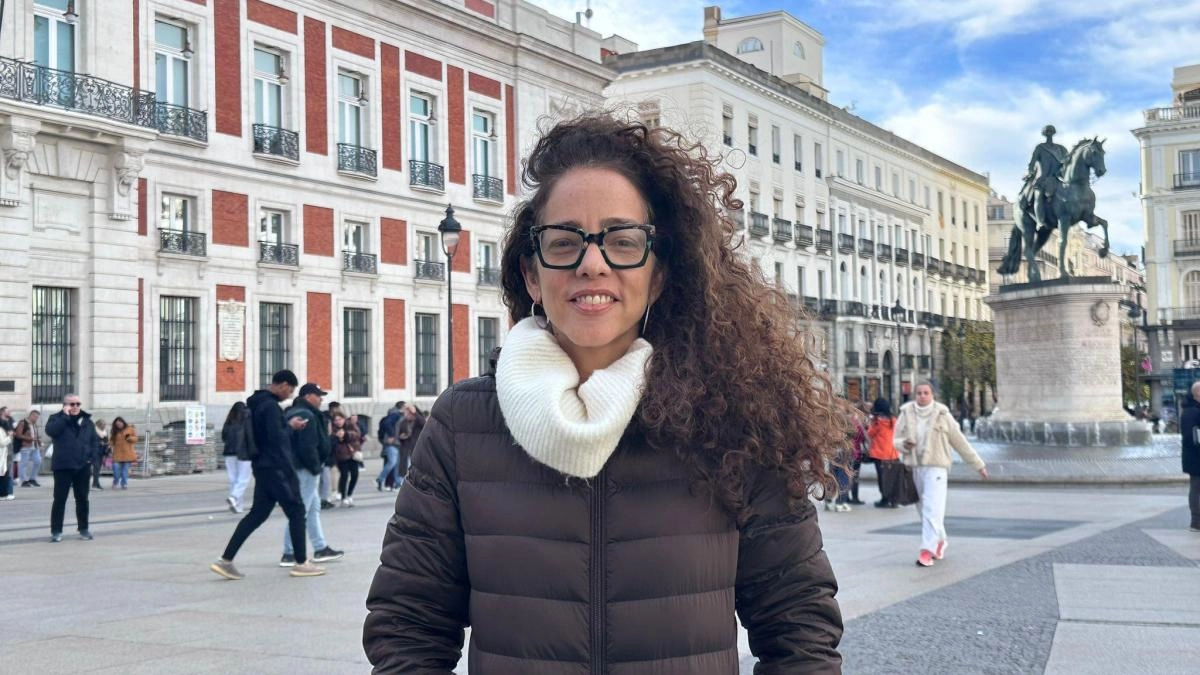
Until then, I had spent over US$25,000 without any results. It was more than two years of intense emotional and financial strain, within a country increasingly hostile to migrants, especially Venezuelans. The only option left to extend my stay in the United States was to apply for late asylum, but with my parents in Venezuela,that was denied since it would have meant being unable to leave the US for years. Madrid opened up again as an alternative. By a twist of fate, I came across an Instagram post about the digital nomad visa in Spain. I requested an appointment with a consultant to learn the requirements in detail, and that meeting painted a more hopeful picture: I could obtain residency within 20 business days and, after two years, apply for citizenship. It was that or return to Venezuela. Those were very emotionally difficult days. Leaving the United States meant leaving behind the most valuable thing I had built in the last five years: my family. And no matter how much my lawyer tried to compensate me by waiving the final payment, nothing and no one could bring me back that loss. It took me a month to close the book on my life in Miami. I packed what I could into four suitcases and traveled to Caracas with the sole purpose of renewing my passport and my son's so we could continue on to Madrid. I had the option of applying for the visa at the Spanish embassy in Caracas, but I ruled it out because I wasn't sure how long the consular process would take. I landed in Madrid on September 8, 2025. A week later, I met with the facilitator to give him the requirements for the digital nomad visa: documents from my company, bank statements to prove I earn more than 2,200 euros (about US$2,580), private insurance, my criminal record checks in the United States and Venezuela, and a letter explaining that I could perform my duties remotely. That's all. We submitted the documents on October 2, 2025. A month later, I received the news: my residency in Spain had been approved for three years. I couldn't believe it!
The decision arrived on time and at a cost that didn't exceed US$825.
After so much back and forth, I had finally gotten a positive response. On the way home, tears were streaming down my face.
I still haven't processed the feeling of displacement that my abrupt departure from Miami left me with. In one way or another, I felt like the United States expelled me. And I was left with this bitter taste of not having been able to stay in the country, despite having done everything right.
When people ask me how my adjustment is going, I always answer the same thing: "I don't know if Madrid is my place, but at least it has made me feel more than welcome."
Spain has allowed me to do something I had forgotten in the United States: save money. Until then, my salary went straight into the lawyers' pockets, leaving me with little else. My partner shouldered almost the entire financial burden.
Now I've managed to regain some financial independence by getting out of debt, and my money is enough to cover my expenses: rent, food, school, entertainment.
Here,I've rediscovered the freedom of not having to depend on a car to get around. The day I walked my son to school, I couldn't believe it.
I no longer have to count thousands to know how much I'll spend on gas or tolls.
The public transport system in Spain allows you to get anywhere, and you can get around Madrid for a flat monthly fee of €32.70 (about US$38).There are always those who try to scare you with the fees you have to pay as a self-employed worker, or who warns me to be careful with the tax authorities, who didn't spare even Shakira herself.
But, despite all that, here I've experienced a feeling I haven't had since Trump came to power in the United States: feeling safe.