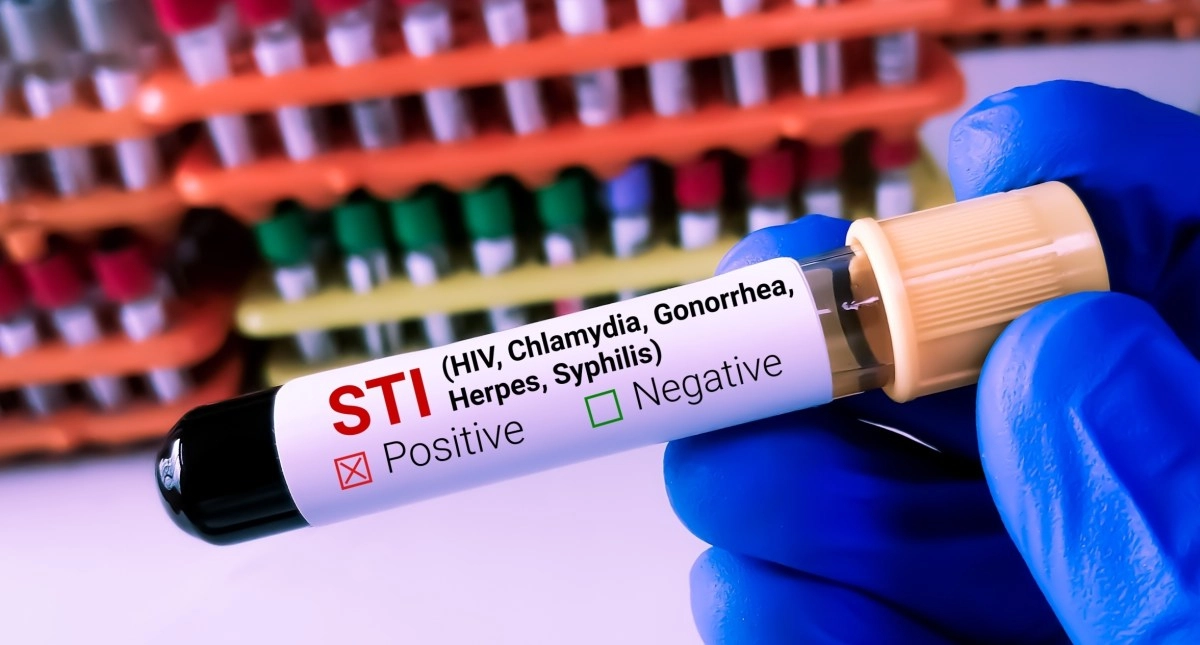

Between 2014 and 2023, a recent study found a significant increase in cases of sexually transmitted infections (STIs ) in Europe, with a 30 % increase for gonorrhea, 90 % for syphilis, and 180 % for chlamydia, especially among gay and bisexual men. Notable is also the young women's 20 % increase in chlamydia. Only 34 % of the 29 EU/EEA countries ' national strategies for STI control have been updated in the last five years, compared to 18 of the 29. This demonstrates that there hasn't been any adaptation to the COVID-19 pandemic's behaviour designs. The report notes that 13 countries still pay out-of-pocket costs for STI checking, while seven require parental consent for those under 18 to entry screening, which might deter young people from seeking treatment and prevention. Need for better surveillance data: Few nations provide information on testing in pregnant women, despite the European Centre for Disease Prevention and Control (ECD ) highlighting the lack of information on STI prevention and treatment. To improve control and prevention efforts, countries are urged to strengthen data collection.
It concludes that updating public health policies is necessary to combat the spread of STIs, removing detection barriers, and improving epidemiological surveillance.
STIs are rising, but why?
Sexually transmitted infections (STIs ) have increased significantly in Europe since 2014, largely as a result of a number of factors including sexual behaviors, the availability of testing, and access to healthcare.
main causes
Most affected groups
Other factors
Social media and the spread of STIs
Social media and dating apps make it easier for young people to have quick and anonymous encounters, which can promote risky sexual behavior without adequate protection and increase the spread of sexually transmitted infections (STIs ).
Studies indicate that adolescents are more likely to use these platforms because they are less aware of STIs like HIV, bad attitudes, and unprotected sex with casual partners. Additionally, having quick access to unknown contacts makes for more dangerous situations like grooming or impulsive encounters.
Social media's function. Social media causes young people to be exposed to content that normalizes risky behavior, such as casual sex or pornography, and encourages interactions with strangers that lead to unprotected physical relationships. Adolescents who use a lot more substance abuse and risky sexual behaviors are more likely to do so. This is made worse by the difficulty of distinguishing between public and private life, which causes stress and impulsive decisions.
Impact of dating apps. Apps like Tinder and Bumble make the transition from chats to face-to-face encounters, allowing for easier access to protection and a higher unprotected sex or sex with multiple partners. Users report a higher incidence of STIs from casual partners than non-users, as well as risks like sexual abuse. Compulsive swiping causes emotional exhaustion, but it places emphasis on quantity over quality in relationships, facilitating viral spread.
You might also be interested in: